Home / Products / PE Electrofusion Fittings / Electrofusion Tee

HDPE Electrofusion Tee Wholesale

About Us
Ningbo Lianda Plastic Pipe Co., Ltd.
Ningbo Lianda Plastic Pipe Co., Ltd. is China HDPE Electrofusion Tee Manufacturers and Wholesale Plastic Electrofusion Tee Suppliers. The company has successively developed a complete set of Custom Electrofusion Tee for Natural gas and Water Use and PE gas pipe fittings, including electric melting pipe fittings, hot melting pipe fittings, PE ball valves, PE steel plastic conversion joints (including 3PE anti-corrosion steel plastic conversion joints), covering over 1000 varieties and specifications of Dn20-Dn630. The company has advanced production equipment, including nearly 30 injection molding machines with a capacity of 100000 grams, over 30 CNC processing equipment, and an annual production of over 10 million pipe fittings and over 40000 PE ball valves. The test center has complete testing equipment (hydrostatic testing machine, Analytical balance, microscope, carbon black content tester, dumbbell prototype, melt mass flow rate meter, medium thermostat, universal electronic tensile machine, semiconductor laser marking machine, thermal stability tester, etc.).
Certificate Of Honor
  • honor
  • honor
  • honor
  • honor
  • honor
News
Electrofusion Tee Industry knowledge

Understanding Electrofusion Tee Fittings and Their Role in Piping

In modern pipeline infrastructure, the integrity of a connection is as vital as the pipe itself. Electrofusion technology has revolutionized the way we join thermoplastic materials, offering a seamless, leak-proof solution that outlasts traditional mechanical methods. At the heart of this technology is the Electrofusion Tee, a critical component designed to facilitate branch connections in High-Density Polyethylene (HDPE) networks.

Defining Electrofusion Fittings

Electrofusion fittings are specialized plastic connectors embedded with internal electrical heating coils. When an electric current is applied via a specialized control box, these coils heat the interface between the fitting and the pipe, melting both surfaces simultaneously. As the materials cool, they fuse into a single, homogenous molecular structure. Ningbo Lianda Plastic Pipe Co., Ltd. specializes in this field, having developed a comprehensive range of electric melting pipe fittings that ensure maximum safety for both water and gas transport. The company's commitment to precision engineering allows for the creation of joints that maintain structural integrity under extreme environmental stress.

What is an Electrofusion Tee?

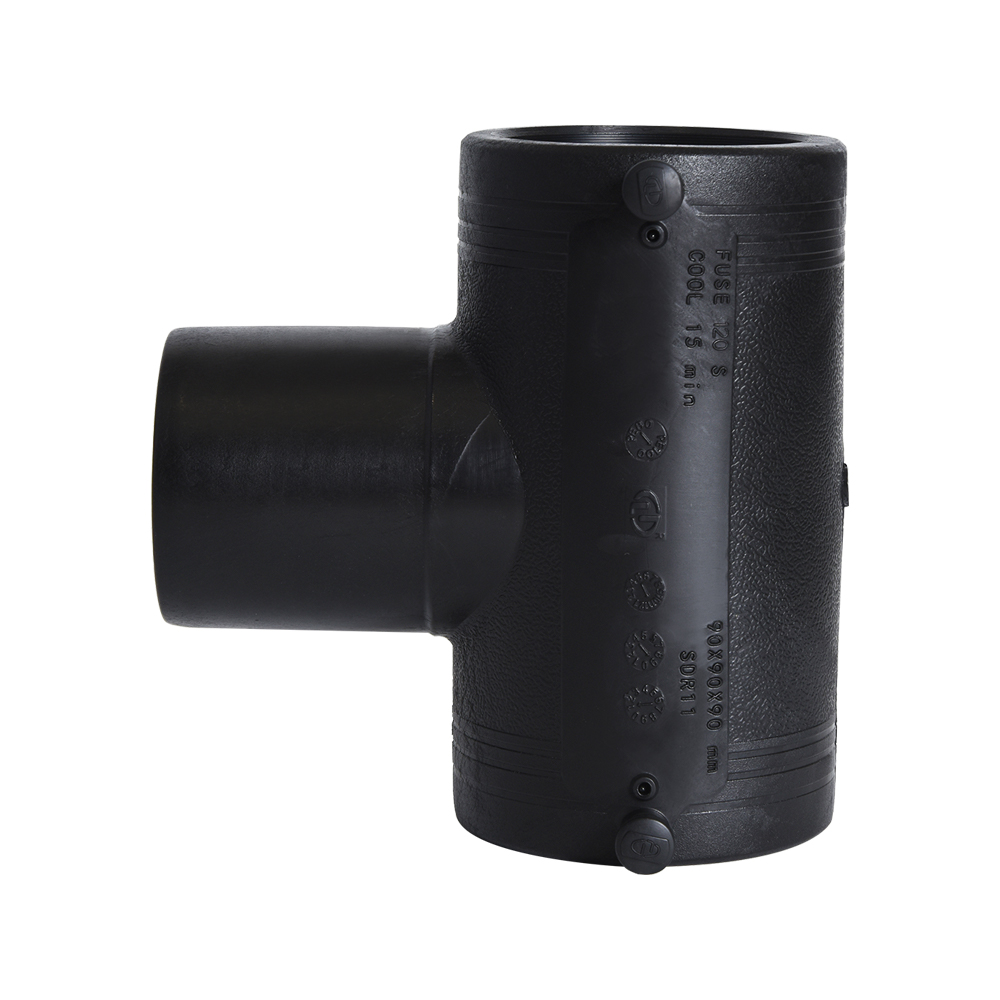
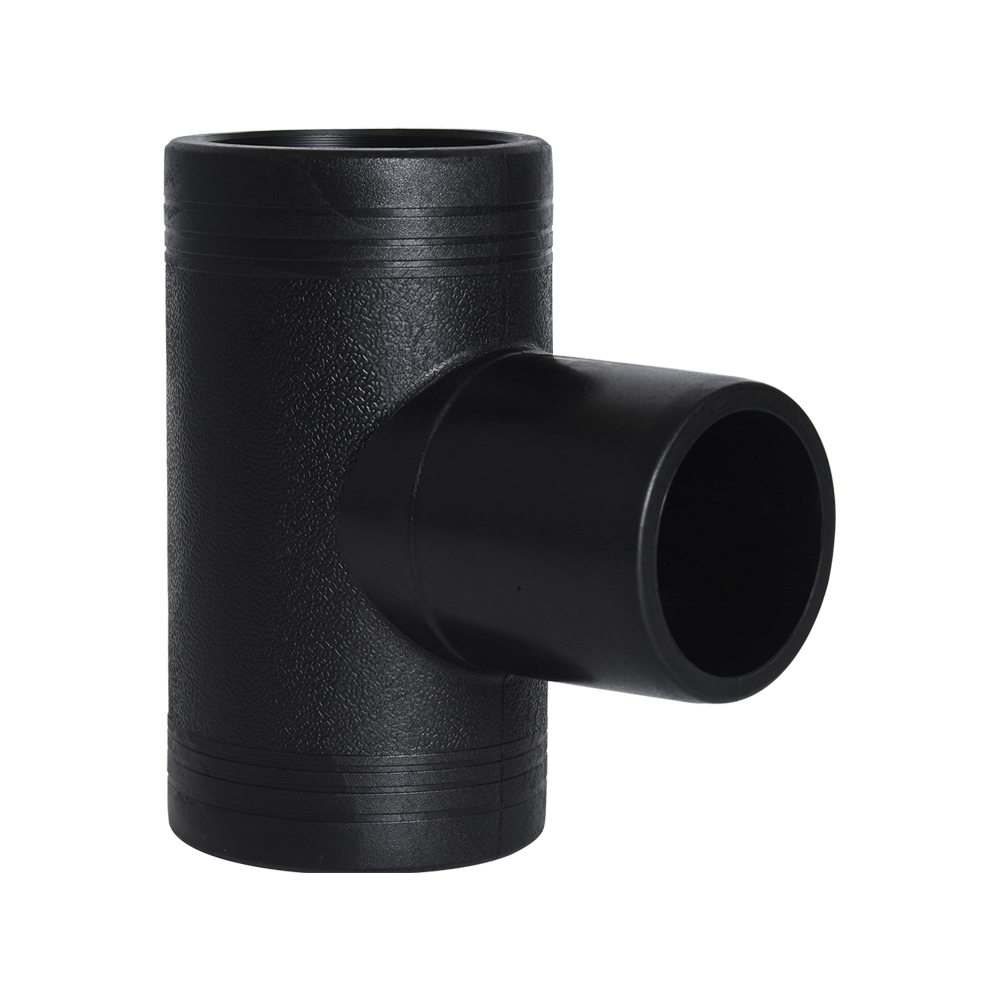
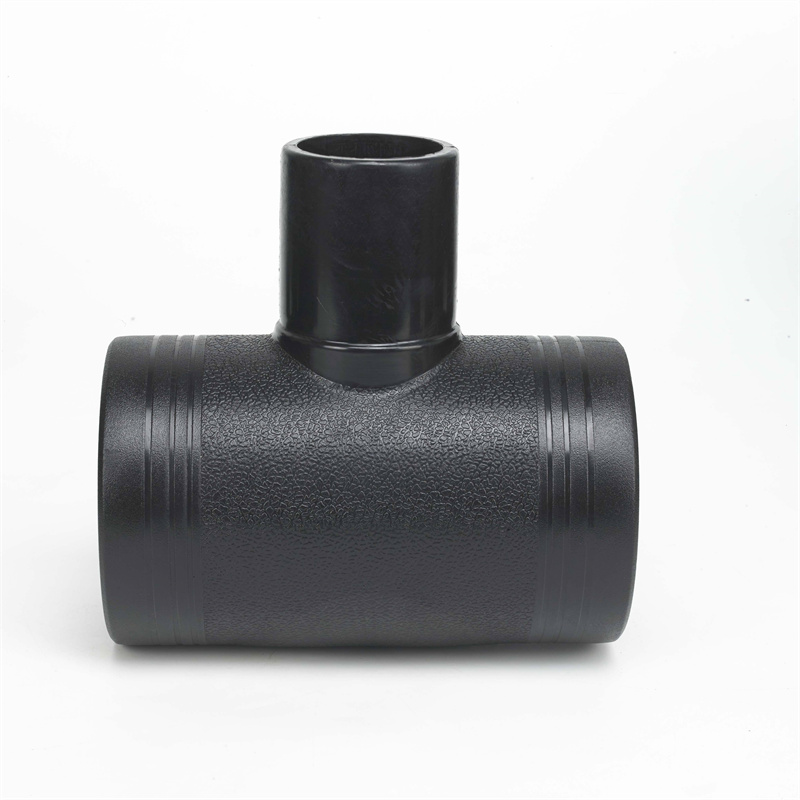
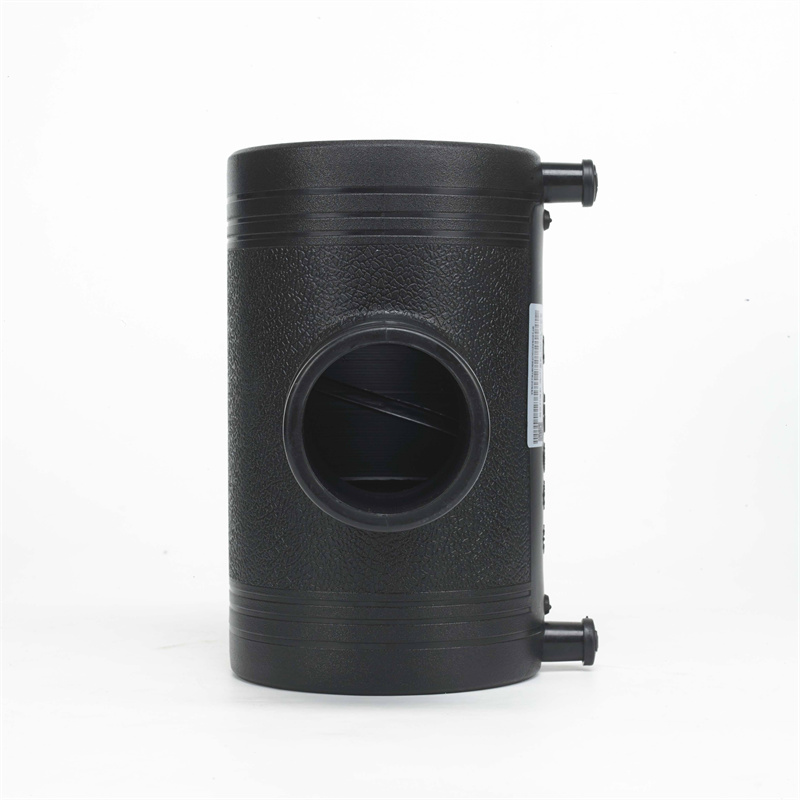
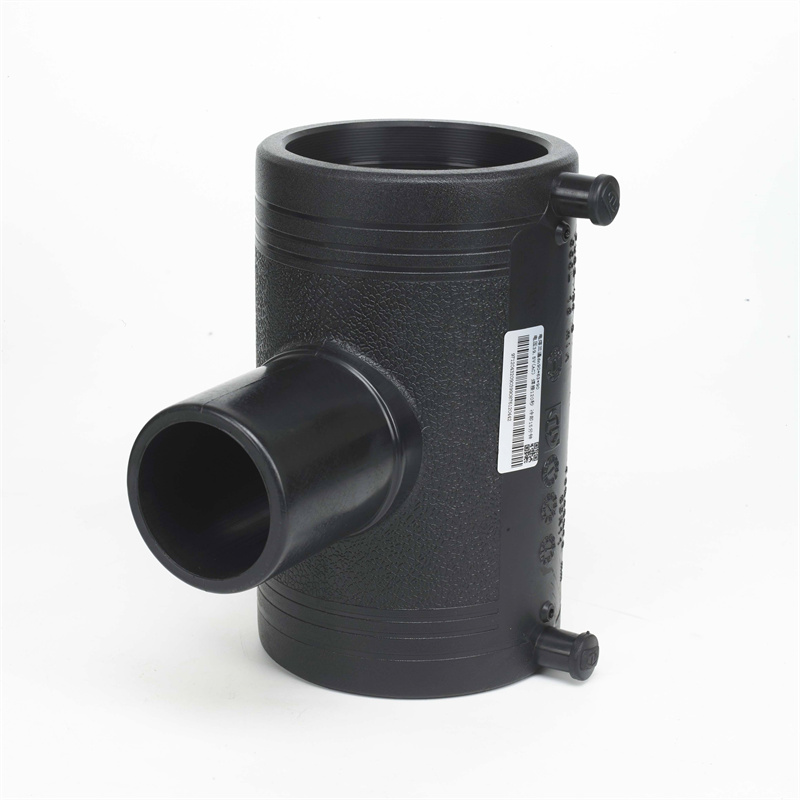
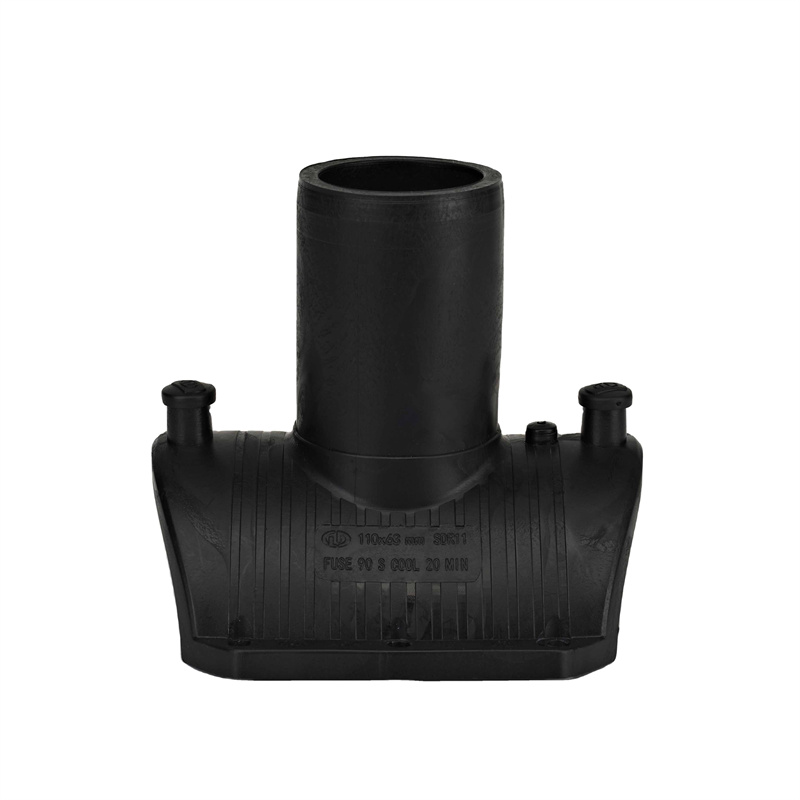
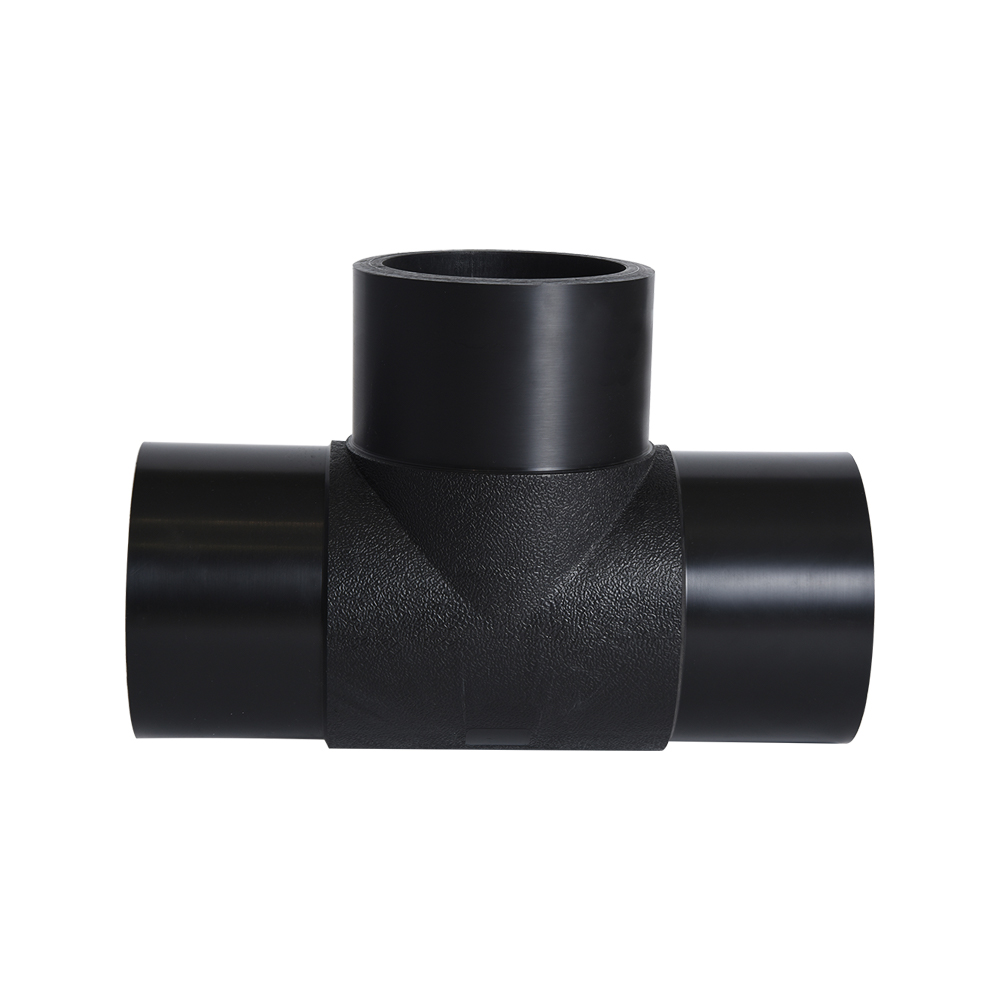
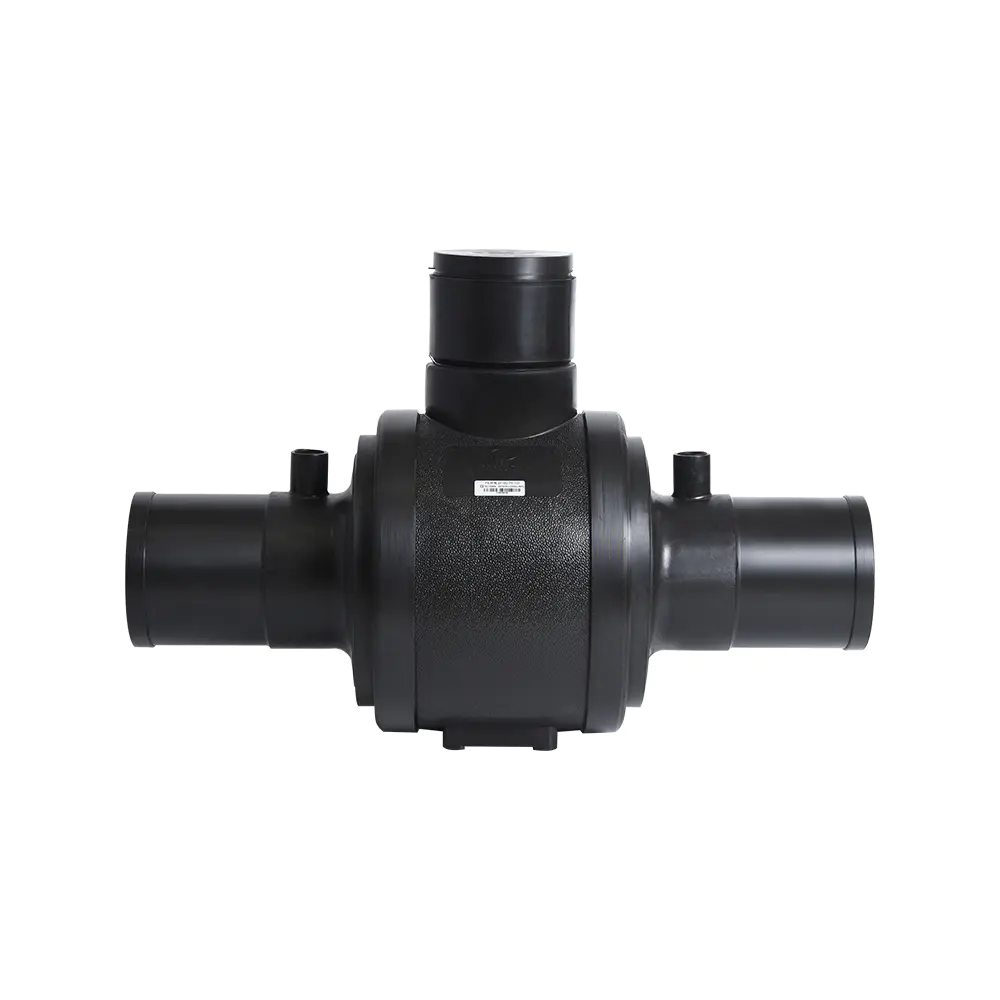
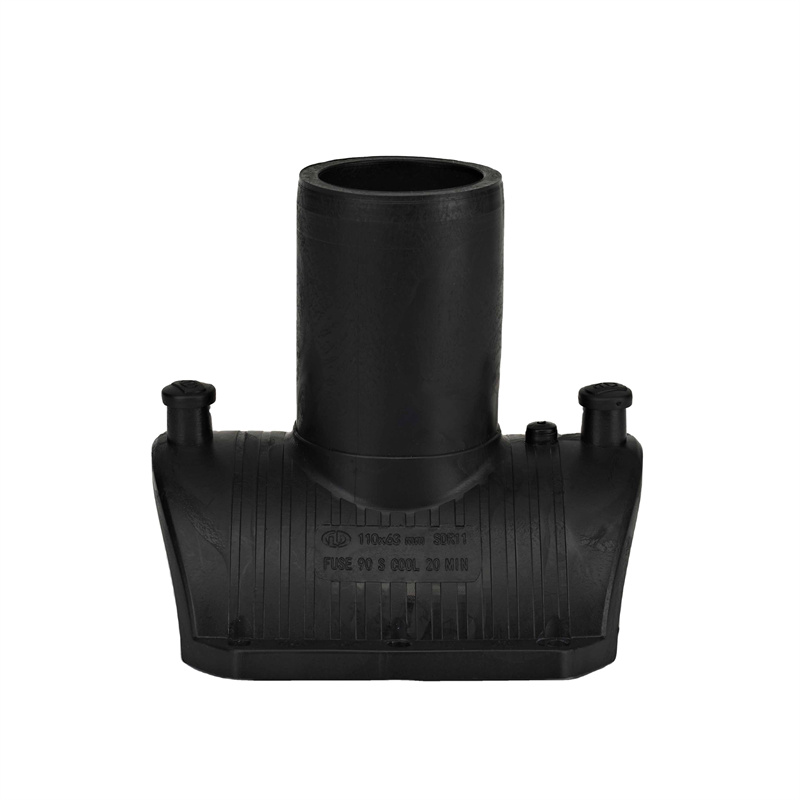
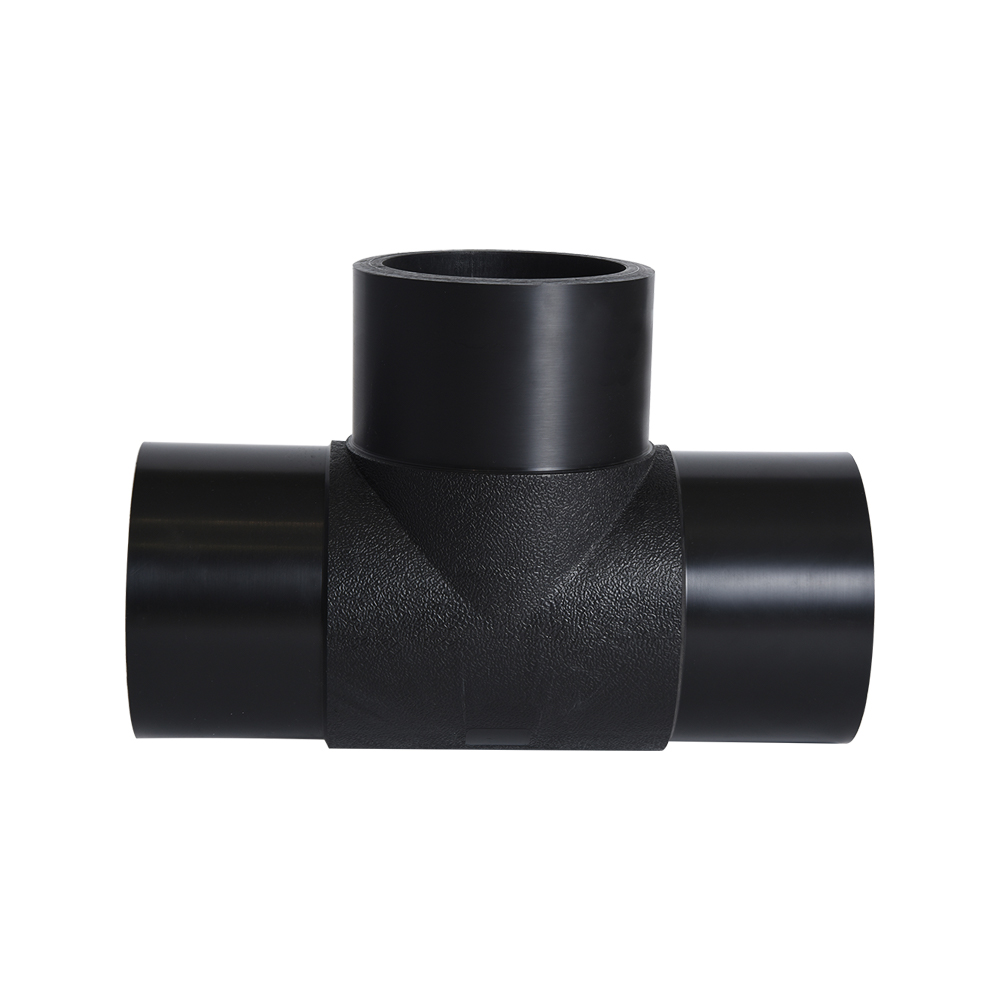
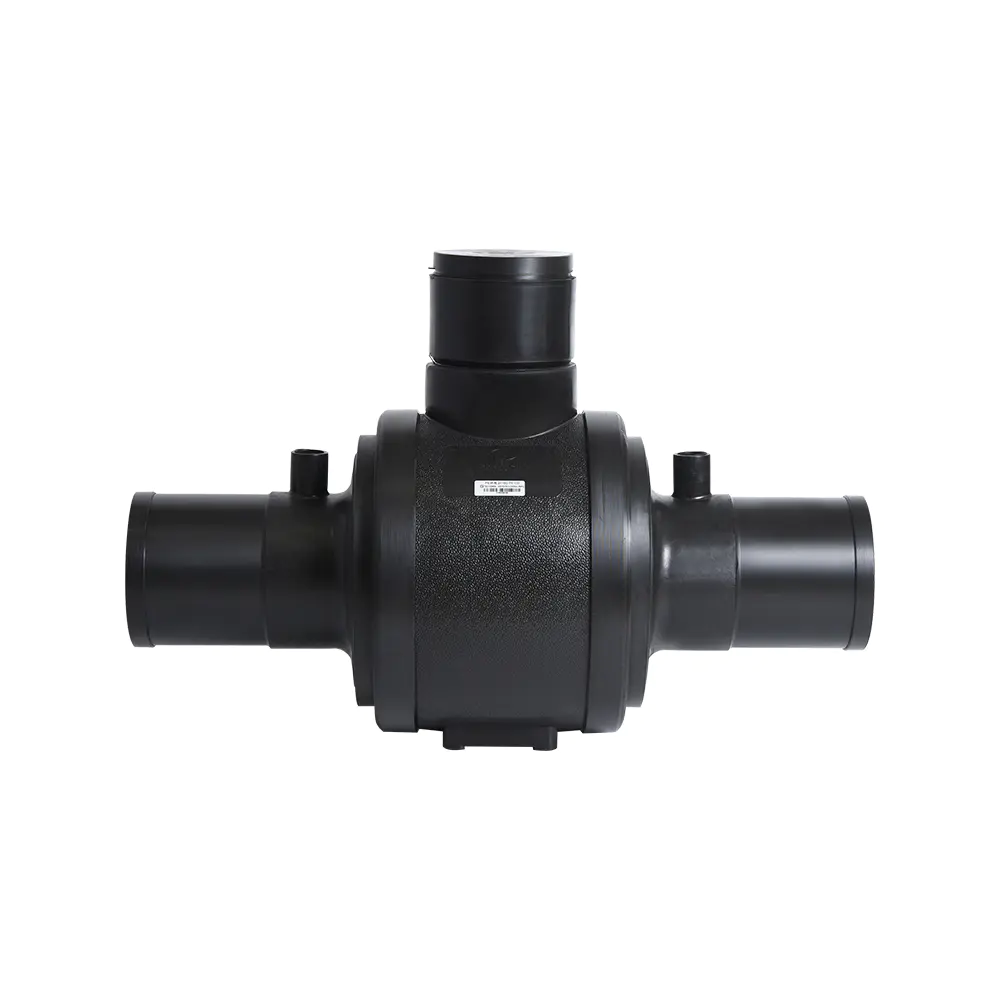
An Electrofusion Tee is a T-shaped fitting used to create a 90-degree branch from a main pipeline. Unlike butt fusion, which requires the pipes to be moved and pressed together, the Electrofusion Tee remains stationary during the process, making it the ideal choice for repairs, tight trenches, or complex manifold configurations. It serves as a junction point where the flow can be diverted or shared between different sections of a utility network.

The Science of the Connection

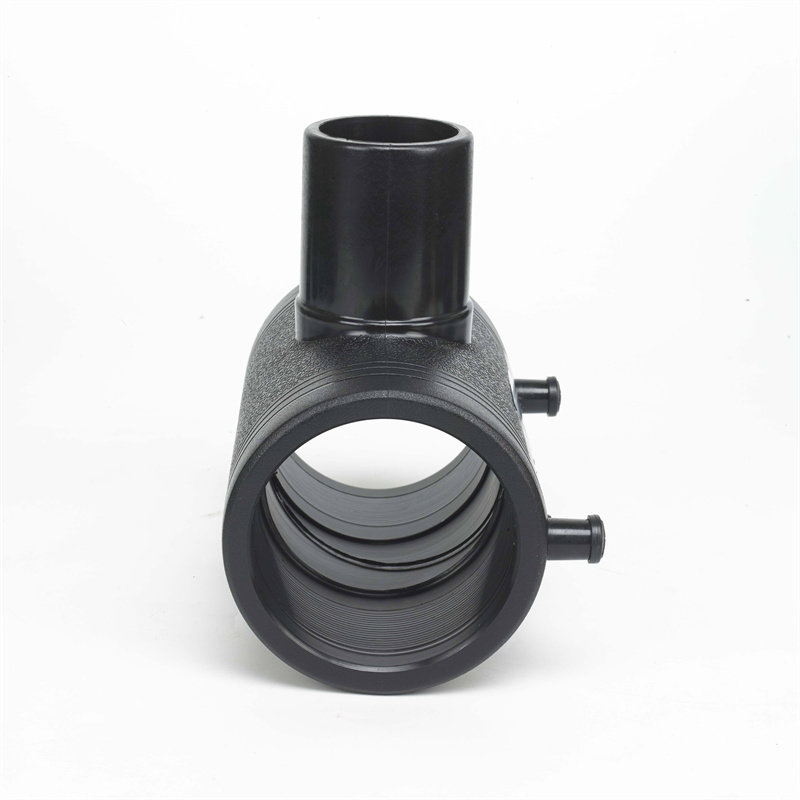
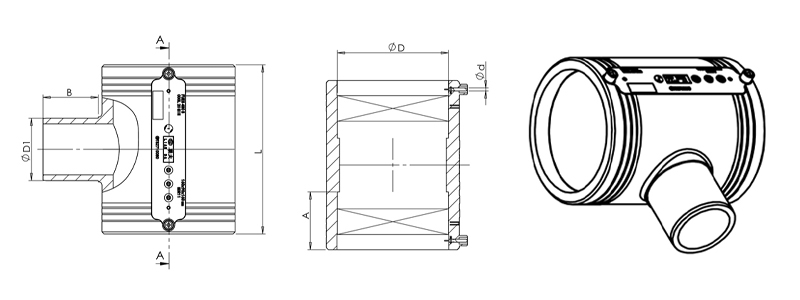
The internal design of an Electrofusion Tee includes precisely wound copper coils. When energized, these coils create a fusion zone. The expanding melt pressure within this zone forces the air out and ensures the HDPE molecules from the pipe and the Electrofusion Tee intermingle completely. This results in a joint that is often stronger than the pipe itself. The heat is regulated by an external processor that reads the barcode on the Electrofusion Tee to apply the exact amount of energy required for the specific ambient temperature.

Key Benefits of the Electrofusion Tee

  • Superior Leak Resistance: The molecular bond eliminates leak paths common in mechanical joints.
  • Versatility: Suitable for a wide range of SDR (Standard Dimension Ratio) ratings.
  • Compact Installation: Requires minimal space, perfect for urban utility maintenance.
  • Longevity: Resistant to corrosion and biological growth, matching the 50+ year lifespan of HDPE pipes.
  • Safety: Particularly in gas applications, the automated nature of the Electrofusion Tee welding process reduces human error significantly.

Technical Parameter Comparison: Electrofusion Tee vs. Traditional Joining Methods

To better understand why the Electrofusion Tee is the industry standard for high-performance piping, consider the following technical comparison:

Parameter Electrofusion Tee Joint Butt Fusion Joint Mechanical Compression Joint
Joining Principle Internal Electrical Heating External Heat Plate Mechanical Friction/Gaskets
Joint Strength Higher than parent pipe Equal to parent pipe Lower than parent pipe
Space Required Low (Fits in tight trenches) High (Needs machine clearance) Moderate
Human Error Risk Low (Automated via barcode) Moderate (Manual alignment) High (Manual tightening)
Pressure Rating Up to PN25 (SDR11) Up to PN25 (SDR11) Generally lower/variable
Equipment Cost Moderate (Control box) High (Fusion machine) Low (Hand tools)

Ningbo Lianda Plastic Pipe Co., Ltd. provides an extensive portfolio of these components, covering over 1000 varieties and specifications ranging from Dn20 to Dn630. This wide range ensures that whether you are working on a small residential branch or a large industrial main, there is an Electrofusion Tee designed to meet the specific pressure and diameter requirements of your project.

Diverse Types of Electrofusion Tee Fittings for Pipe Networks

To accommodate the complex layouts of modern infrastructure, Electrofusion Tee fittings are manufactured in various configurations. Each type serves a specific hydraulic purpose, ensuring that flow distribution remains efficient and the structural integrity of the HDPE network is maintained. Ningbo Lianda Plastic Pipe Co., Ltd. offers a robust selection of these variants, ensuring that engineers have access to the exact specifications required for their projects, from standard distributions to specialized industrial taps.

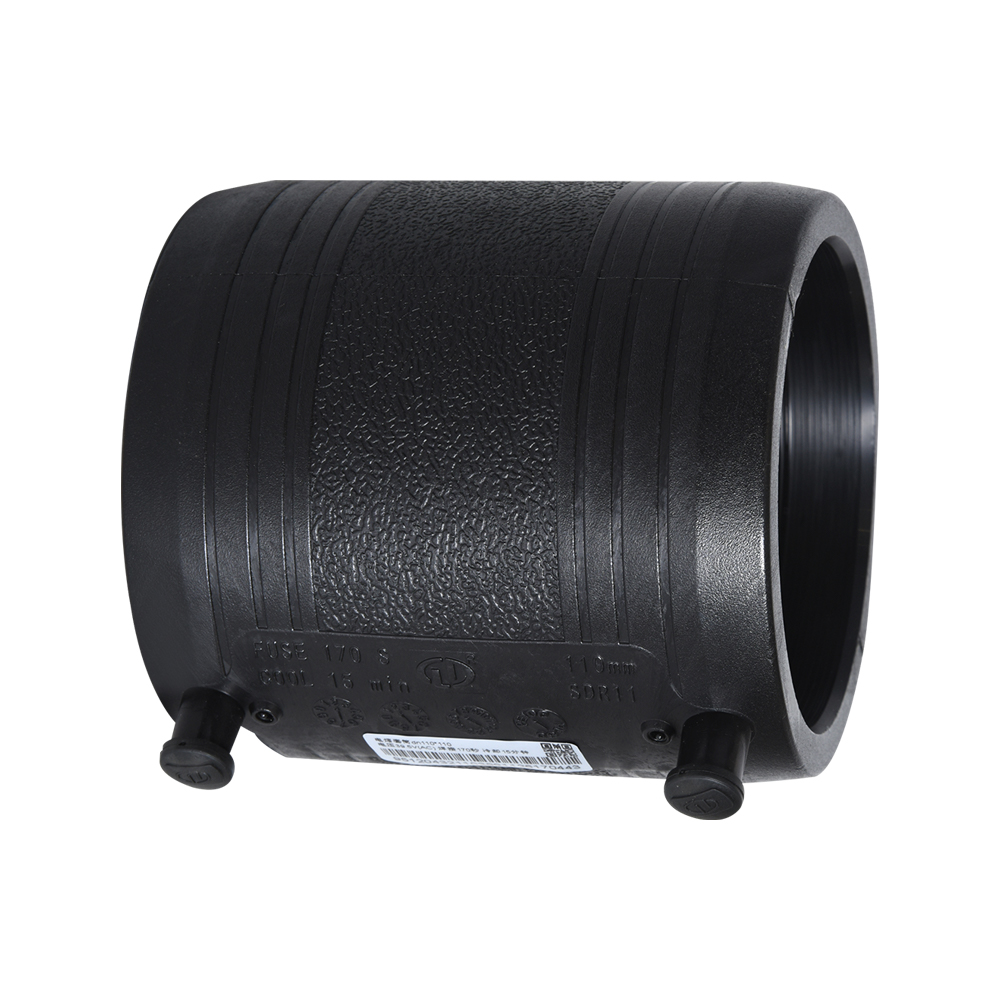
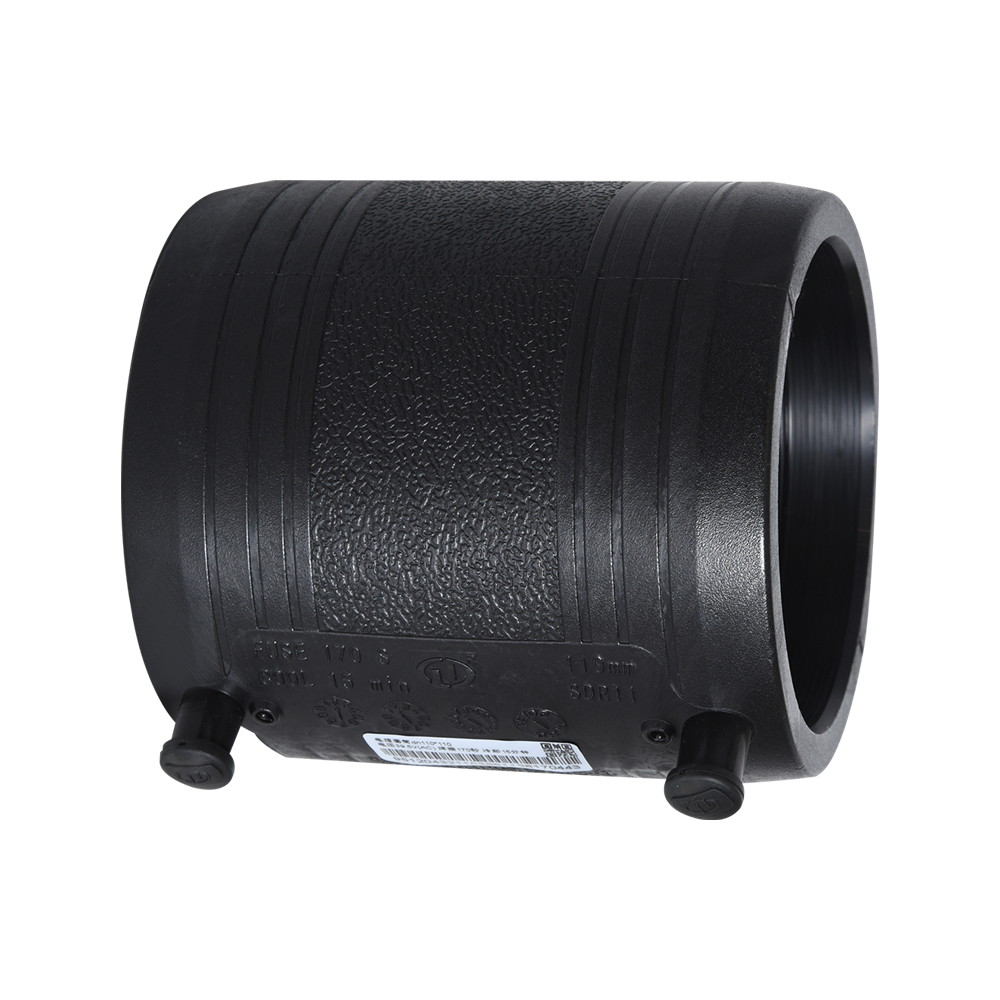
Electrofusion Equal Tee

The Electrofusion Equal Tee is the most common variety used in pipeline construction. It is designed for applications where the branch line must have the same diameter as the main header pipe.

  • Core Function: Splitting a main line into two identical flows or merging two identical lines.
  • Structural Integrity: Because the dimensions are uniform, the heat distribution during the fusion process is highly symmetrical, leading to an exceptionally stable joint.
  • Specifications: Available in sizes ranging from Dn20 to Dn630, catering to both small-scale domestic water lines and large-scale municipal mains.

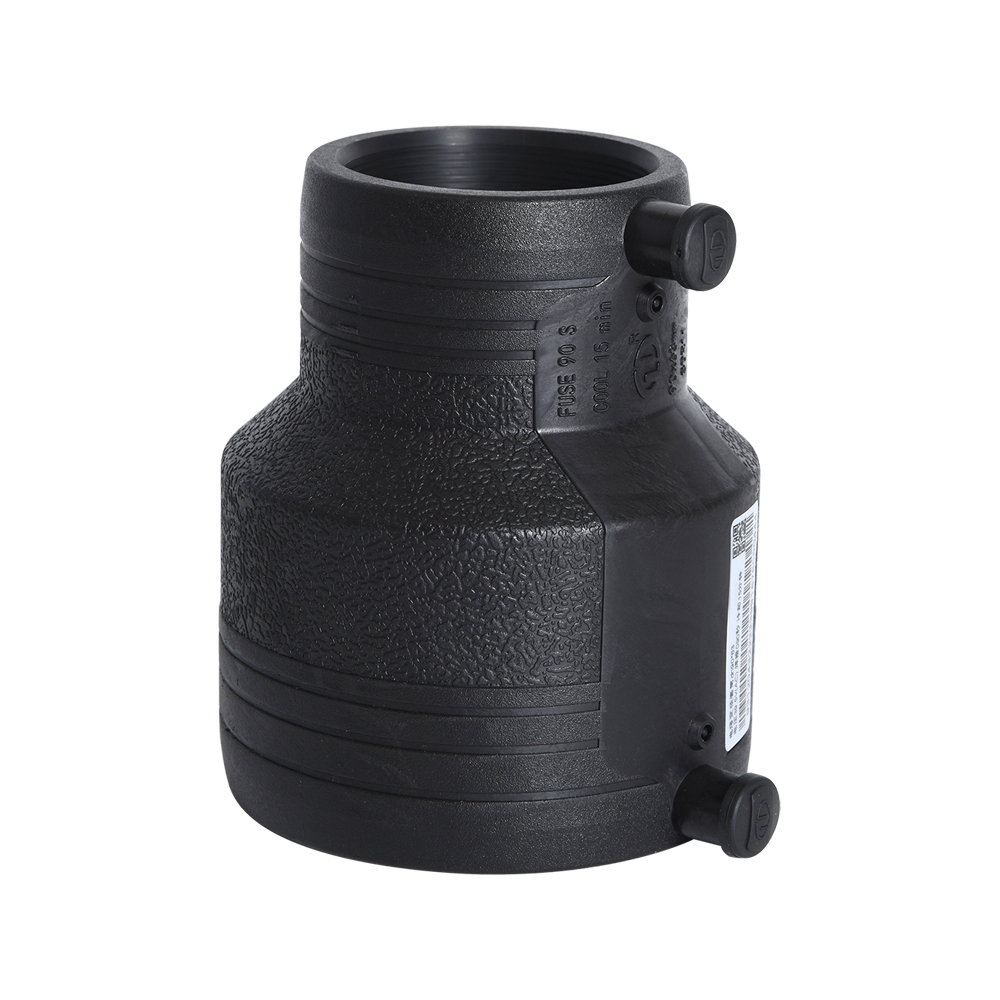
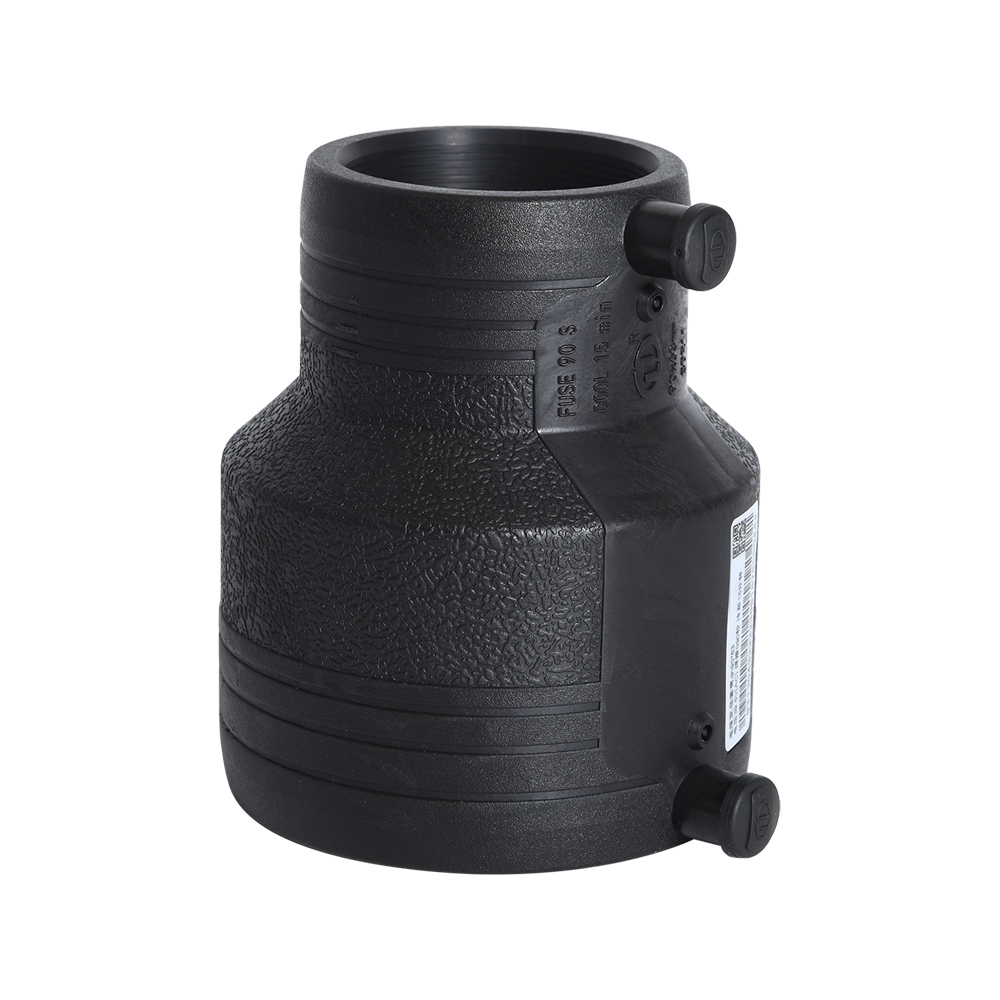
Electrofusion Reducing Tee

In many piping systems, the branch line is required to be smaller than the main run to manage pressure or flow volume. The Electrofusion Reducing Tee eliminates the need for an additional reducer fitting, combining two functions into one component.

  • Core Function: Transitioning from a larger main pipe to a smaller lateral pipe.
  • Efficiency: By reducing the number of total joints in the system, it decreases potential failure points and reduces installation time.
  • Application: Frequently used in gas distribution networks where a large service main feeds into smaller residential service lines.

Specialty Electrofusion Tee Fittings

Beyond standard T-shapes, specialty fittings address unique installation challenges:

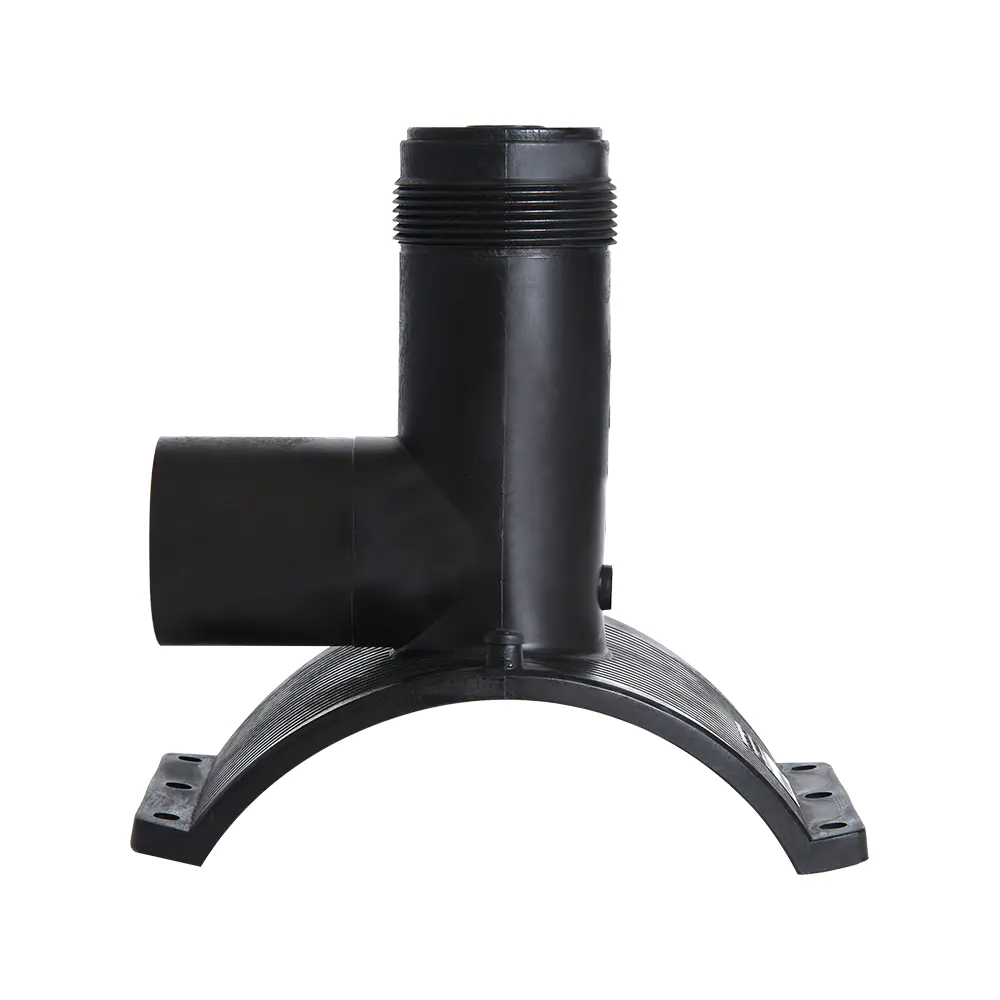
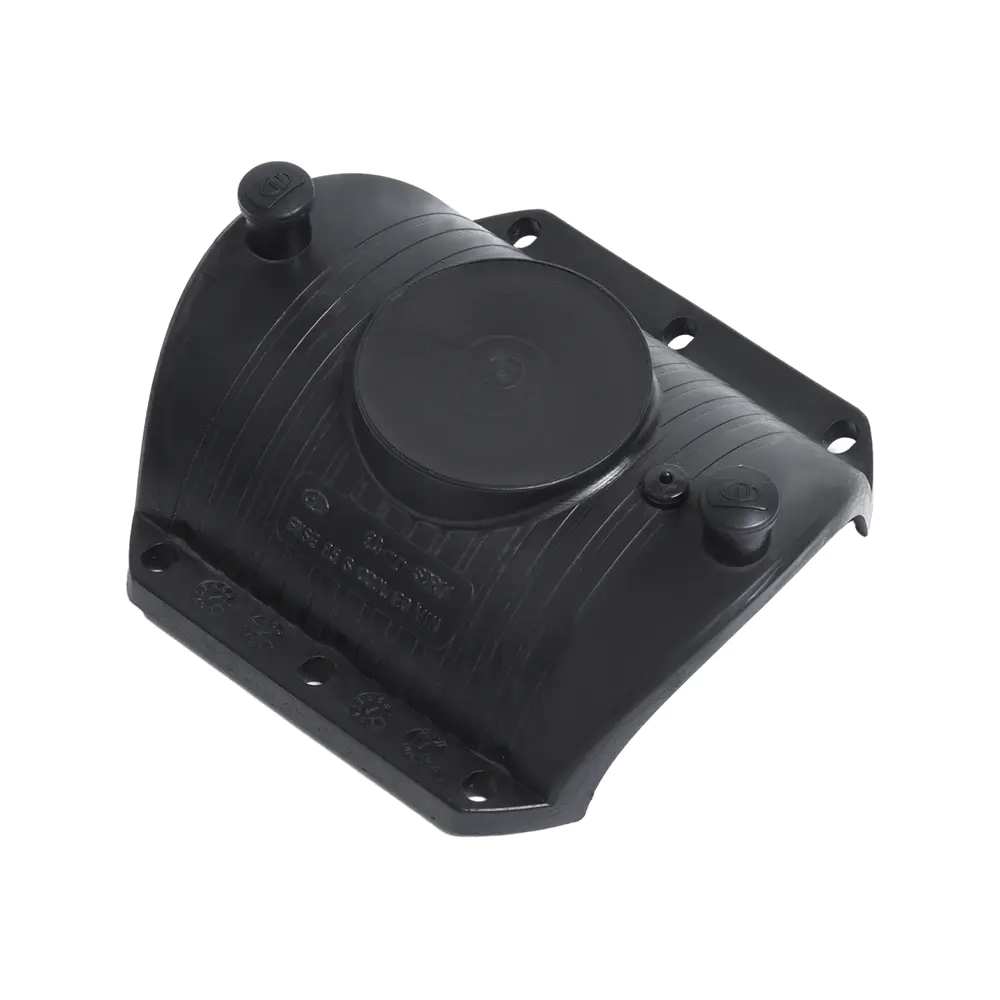
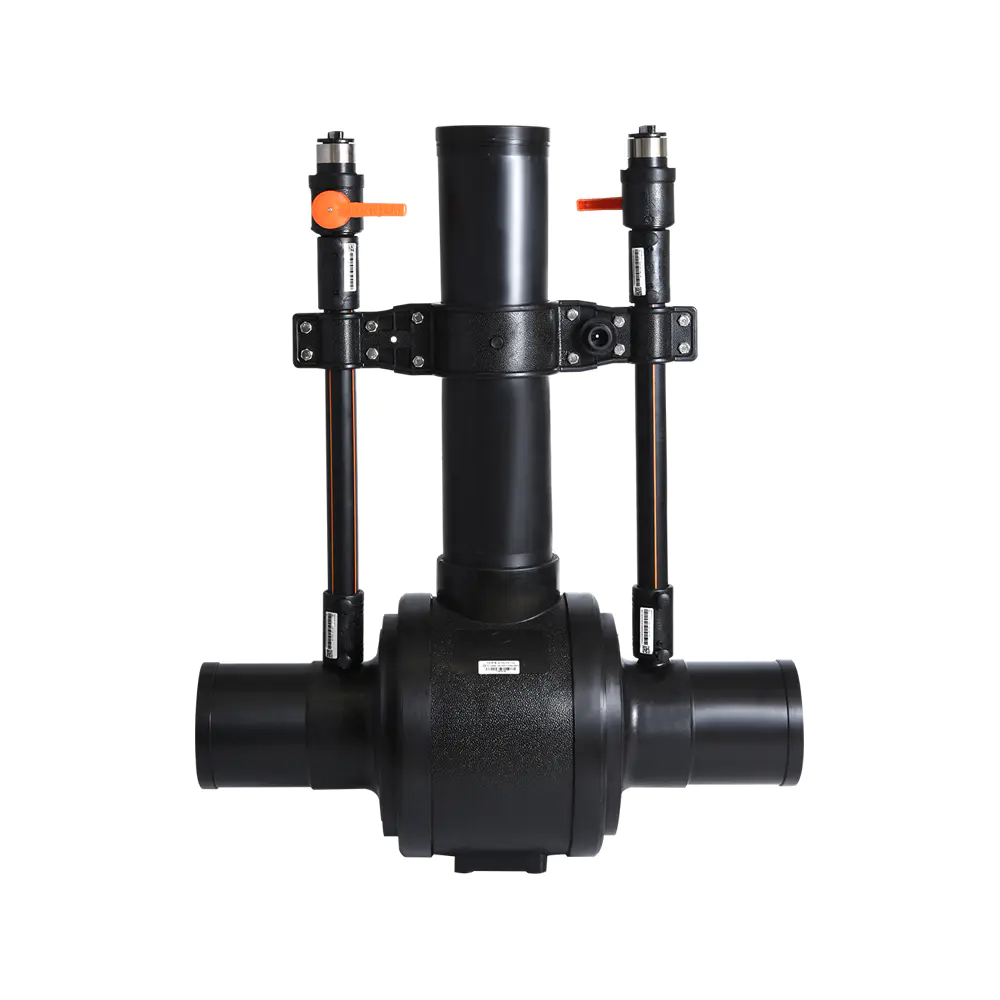
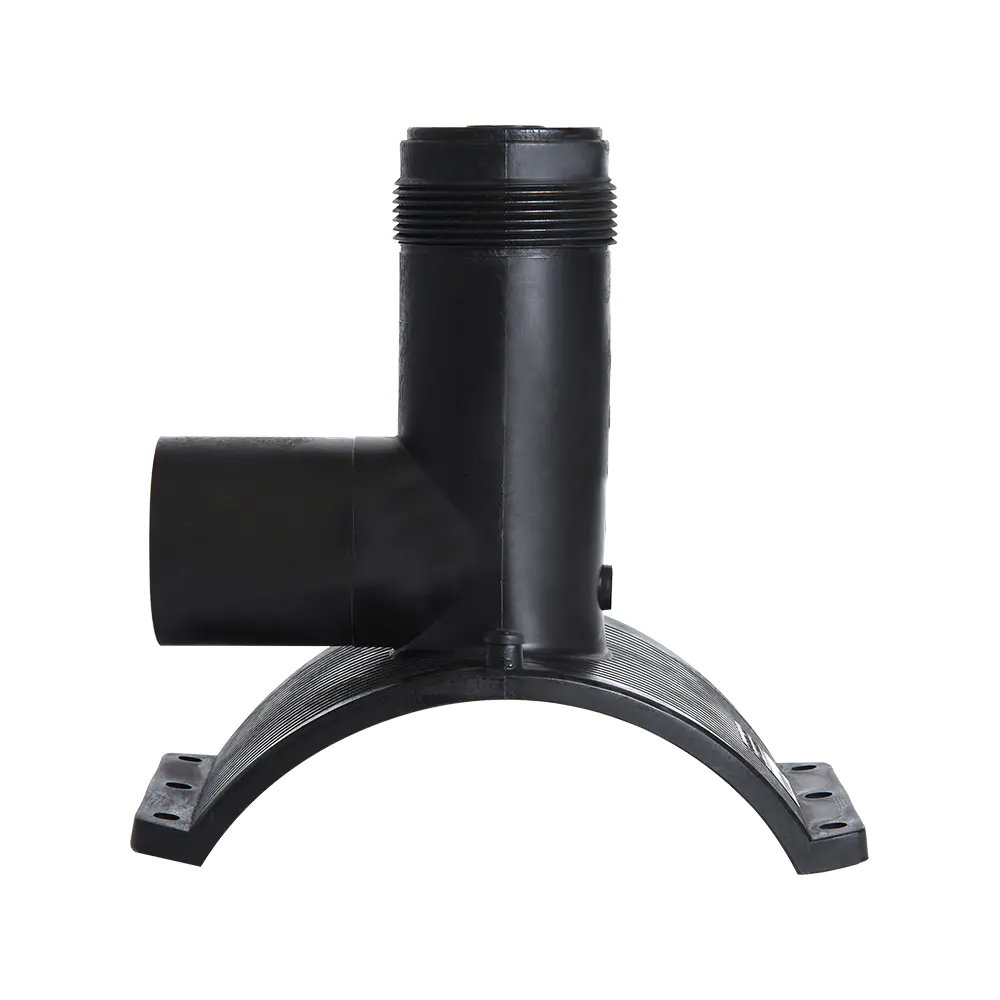
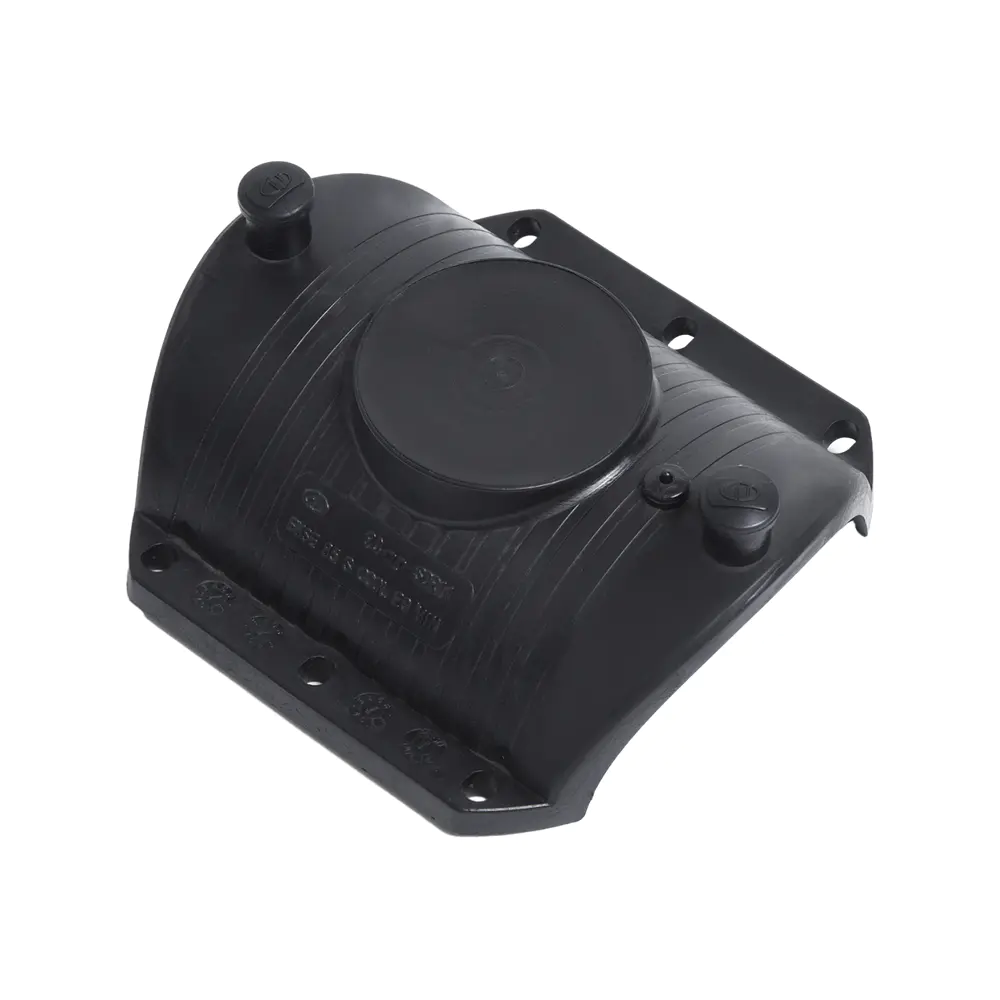
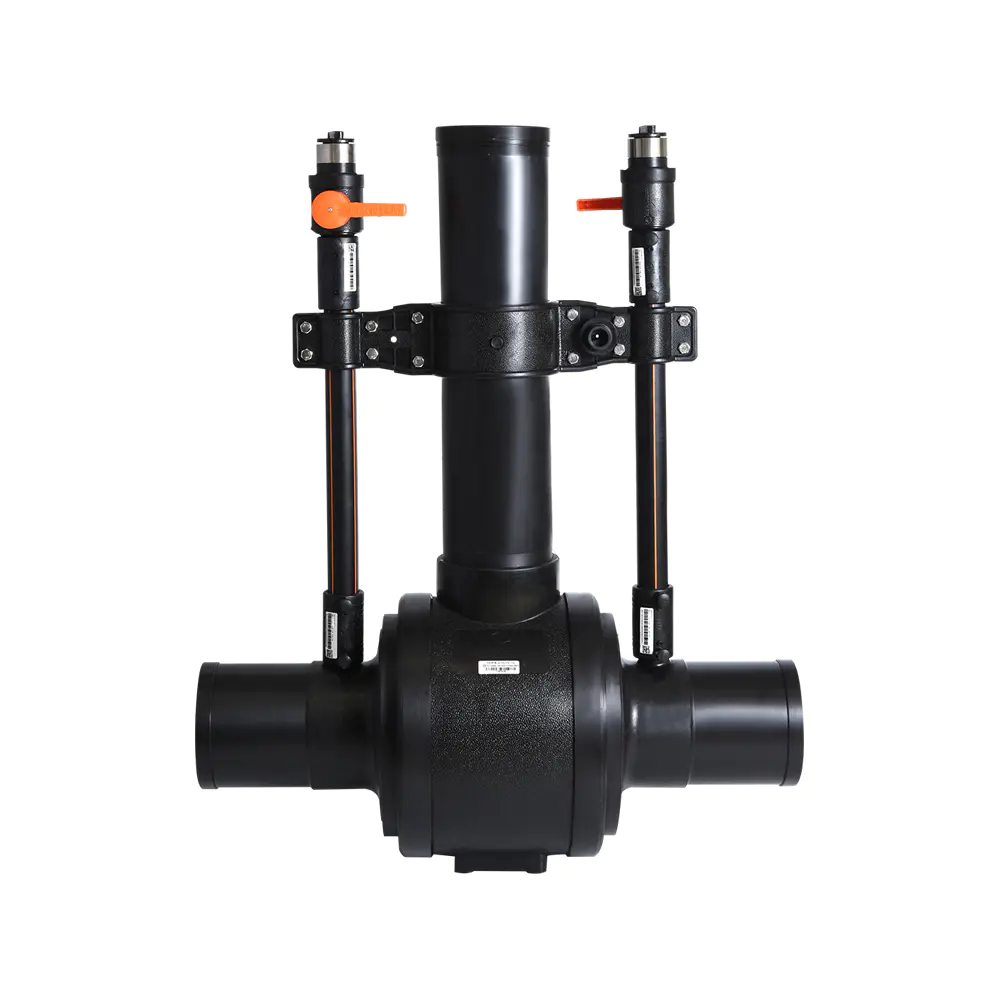
  • Electrofusion Tapping Tee: These are essential for under-pressure connections. A tapping tee allows technicians to connect a new branch to a main line that is already in service (live) without shutting off the flow. It includes an integrated cutter to pierce the main pipe once the fusion is complete.
  • Spigot Tee (Fabricated/Molded): While primarily an electrofusion-focused system, some Electrofusion Tee designs incorporate spigot ends to allow for a transition between electrofusion and butt-welding techniques where necessary.

Comparative Specifications: Equal Tee vs. Reducing Tee

When selecting an Electrofusion Tee, understanding the dimensional and pressure capabilities is essential. Below is a comparison of typical parameters offered within the product range of Ningbo Lianda Plastic Pipe Co., Ltd.:

Feature Electrofusion Equal Tee Electrofusion Reducing Tee
Size Range (Dn) Dn20 - Dn630 Main: Dn40-Dn630 / Branch: Dn20-Dn500
SDR Compatibility SDR11 (PN16) and SDR17 (PN10) SDR11 (PN16) and SDR17 (PN10)
Branch Angle Fixed 90 degrees Fixed 90 degrees
Material Grade PE100 / PE100-RC PE100 / PE100-RC
Primary Use Main line junctions/Network grids Service line take-offs
Complexity Simple uniform fusion Dual-zone heating (in large sizes)

As a leader in the field, Ningbo Lianda Plastic Pipe Co., Ltd. has developed a complete set of PE gas and water pipe fittings. Their Electrofusion Tee production is part of a massive catalog covering over 1000 varieties. This ensures that even complex steel-to-plastic transitions are possible when using their specialized conversion joints alongside standard electrofusion components.

Essential Applications of Electrofusion Tee Fittings

The versatility of the Electrofusion Tee makes it a cornerstone in modern fluid and gas transport. Because these fittings create a leak-proof, maintenance-free bond, they are deployed in environments where safety and long-term reliability are non-negotiable. Ningbo Lianda Plastic Pipe Co., Ltd. provides high-performance solutions across these sectors, ensuring that their Electrofusion Tee fittings meet the rigorous demands of global infrastructure.

Water Distribution Systems

In municipal and rural water supply, preventing water loss is a primary goal. The Electrofusion Tee is used to create secure branch connections for:

  • Potable Water Mains: Ensuring zero contamination and maintaining pressure across long distances.
  • Firefighting Networks: Providing high-pressure reliability for emergency hydrants.
  • Irrigation: Facilitating complex branching in agricultural piping systems.

Gas Distribution Systems

Safety is the paramount concern in gas piping. The Electrofusion Tee is the industry's preferred choice for gas networks because it eliminates the risk of leaks associated with mechanical seals. Ningbo Lianda Plastic Pipe Co., Ltd. has specialized in this area, developing a complete set of PE gas pipe fittings that include not only the Electrofusion Tee but also PE ball valves and steel-to-plastic conversion joints, ensuring a fully integrated, safe gas delivery system from Dn20 to Dn630.

Industrial Piping

Industrial environments often involve the transport of abrasive slurries or corrosive chemicals. The HDPE material of an Electrofusion Tee offers:

  • Chemical Resistance: Handling acids, alkalis, and salts that would corrode metal pipes.
  • Mining Applications: Used in dredging and tailing lines where flexibility and wear resistance are required.

Sewer and Drainage Systems

While often used in pressure applications, the Electrofusion Tee is also utilized in specialized vacuum sewer systems and high-pressure drainage. Its resistance to biological growth and root penetration makes it far superior to traditional concrete or PVC joining methods.

Application Requirements: Water vs. Gas Systems

The operating environment dictates the specific requirements for an Electrofusion Tee. Below is a comparison of how these fittings are applied in different sectors:

Requirement Water Distribution Gas Distribution Industrial/Sewer
Primary Pressure Rating PN10 to PN16 (Typical) SDR11 (High Safety Factor) Varies by chemical/slurry
Material Priority Hygiene and Potability Leak Integrity and Safety Chemical/Abrasion Resistance
Standard Compliance ISO 4427 / EN 12201 ISO 4437 / EN 1555 ISO 15494
Joint Monitoring Visual and Pressure Testing Barcode Traceability and NDT Regular Maintenance Checks
Typical Fitting Type Equal and Reducing Tee Tapping Tee and Equal Tee Specialized Industrial Tee

With a production capacity covering over 1000 varieties, Ningbo Lianda Plastic Pipe Co., Ltd. ensures that every Electrofusion Tee is manufactured to withstand the specific stresses of its intended application. Whether it is a standard water main or a complex 3PE anti-corrosion steel-plastic conversion project, their fittings provide the necessary structural stability to the entire piping network.

Material Composition: Why HDPE is the Standard

The performance of an Electrofusion Tee is fundamentally tied to the quality of the raw materials used in its construction. High-Density Polyethylene (HDPE) has become the global standard for piping systems due to its unique balance of strength, flexibility, and chemical inertness. Ningbo Lianda Plastic Pipe Co., Ltd. utilizes premium-grade PE100 and PE100-RC materials to manufacture their range of fittings, ensuring that every Electrofusion Tee provides a service life exceeding 50 years.

High-Density Polyethylene (HDPE)

HDPE is a thermoplastic polymer characterized by its high strength-to-density ratio. In the context of an Electrofusion Tee, this material allows the fitting to withstand significant internal pressures while remaining flexible enough to absorb ground shifts and seismic activity without cracking.

  • PE100: The industry standard for high-pressure water and gas applications. It offers a Minimum Required Strength (MRS) of 10 MPa.
  • PE100-RC (Resistance to Crack): An advanced material grade used by Ningbo Lianda Plastic Pipe Co., Ltd. for fittings that may be exposed to point loads or installed using trenchless methods. It provides superior resistance to slow crack growth (SCG).

The Role of Copper Heating Elements

An Electrofusion Tee is not just plastic; it contains precisely mapped copper or alloy heating coils. The quality of these coils is critical. They must be positioned at a specific depth from the fusion surface to ensure that heat is distributed evenly, preventing cold spots or over-melting that could weaken the joint. The precision of the winding in a Ningbo Lianda Plastic Pipe Co., Ltd. Electrofusion Tee ensures consistent energy distribution across the entire fusion zone.

Material Property Comparison: PE80 vs. PE100 vs. PE100-RC

When selecting an Electrofusion Tee, the material grade determines the safe operating pressure and the environmental conditions the fitting can endure.

Property PE80 (Older Standard) PE100 (Current Standard) PE100-RC (Premium)
Minimum Required Strength (MRS) 8.0 MPa 10.0 MPa 10.0 MPa
Hydrostatic Strength (20C) High Very High Very High
Resistance to Slow Crack Growth Standard High Exceptionally High
Common Application Low-pressure water/gas High-pressure water/gas Critical/Industrial/Trenchless
Density Approx 0.940 g/cm3 Approx 0.950 g/cm3 Approx 0.950 g/cm3
Availability Special Request Standard Production Standard Production

Integration with Steel Systems

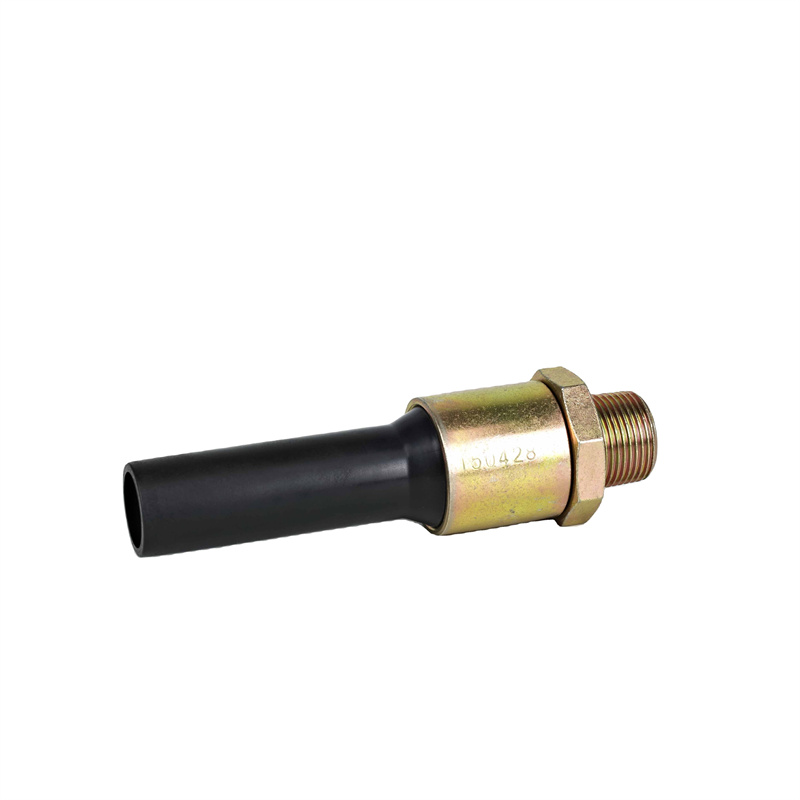
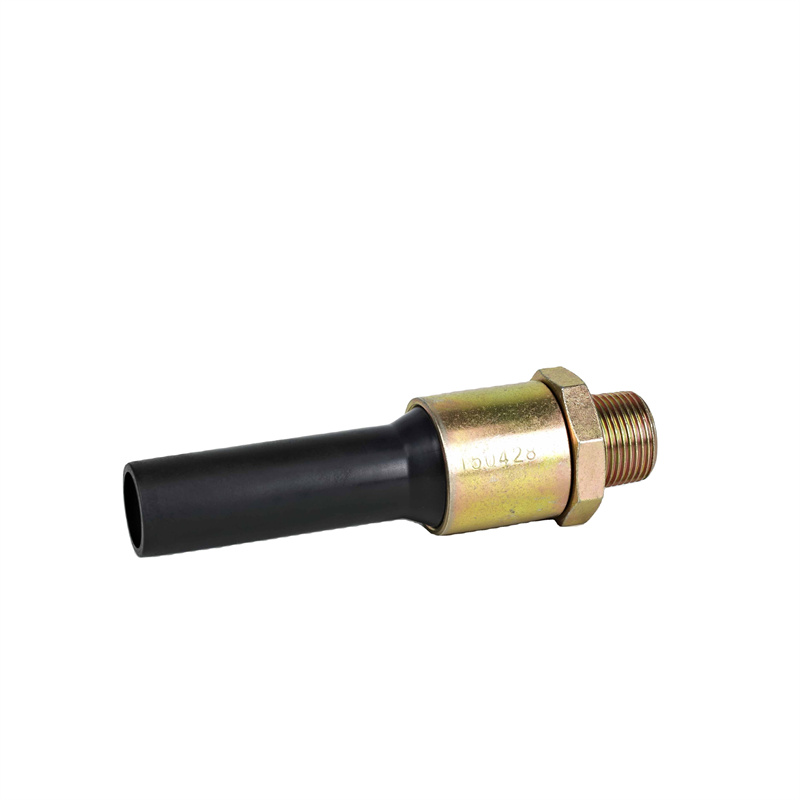
While HDPE is the primary material, infrastructure often requires transitions to metallic pipes. Ningbo Lianda Plastic Pipe Co., Ltd. has addressed this by developing PE steel-plastic conversion joints, including 3PE anti-corrosion variants. This allows the Electrofusion Tee to be integrated into hybrid networks where high-density polyethylene meets existing steel infrastructure, maintaining the same high safety standards across the entire system. By covering specifications from Dn20 to Dn630, the company ensures that the material properties remain consistent across all 1000+ varieties of their electric melting and hot melting pipe fittings.

Step-by-Step Installation Process for an Electrofusion Tee

The quality of a pipeline connection depends as much on the installation technique as it does on the fitting itself. An Electrofusion Tee requires a precise, systematic approach to ensure the electrical heating cycle results in a perfect molecular bond. Ningbo Lianda Plastic Pipe Co., Ltd. designs its fittings with clear indicators and user-friendly features to assist technicians in achieving high-integrity joints across their Dn20 to Dn630 range.

Preparation Before Installation

Before the fusion process begins, the environment and materials must be meticulously prepared:

  • Cutting: The HDPE pipe must be cut square using a proper pipe cutter to ensure it seats fully against the internal stop of the Electrofusion Tee.
  • Cleaning: Remove all dirt, mud, and moisture from the pipe ends.
  • Scraping (The Most Critical Step): Use a mechanical scraper to remove the oxidized outer layer of the HDPE pipe. Failure to scrape effectively is the leading cause of joint failure.
  • Degreasing: Clean the scraped area and the internal surface of the Electrofusion Tee using an approved isopropanol wipe.

Step-by-Step Installation Guide

  • Marking: Measure the insertion depth of the Electrofusion Tee and mark it on the pipe to ensure the fitting is centered over the fusion zone.
  • Alignment and Clamping: Slide the Electrofusion Tee onto the pipe. Use specialized alignment clamps to hold the pipes in place. This prevents any movement during the heating and cooling phases.
  • Connection: Connect the leads of the electrofusion control box to the terminals on the Electrofusion Tee.
  • Data Entry: Scan the barcode located on the fitting. This tells the machine the exact voltage and fusion time required.
  • Fusion Cycle: Start the process. The control box will monitor the ambient temperature and adjust the energy output to the internal coils accordingly.
  • Cooling: Once the cycle is complete, the fusion indicators small pins on the fitting will usually pop up. However, the joint must remain undisturbed in the clamps for the duration of the specified cooling time.

Common Mistakes to Avoid

  • Inadequate Scraping: Leaving even a small amount of oxidation prevents the molecules from fusing.
  • Contamination: Touching the scraped pipe or the inside of the Electrofusion Tee with oily hands.
  • Misalignment: Stress on the joint during fusion can cause the heating coils to shift or short-circuit.

Installation Parameter Comparison: Small vs. Large Diameter Fittings

Installation Parameter Small Diameter (e.g., Dn32) Large Diameter (e.g., Dn315)
Typical Fusion Time 40 to 80 Seconds 400 to 800 Seconds
Typical Cooling Time 5 to 10 Minutes 40 to 60 Minutes
Scraping Depth Approx 0.2 mm Approx 0.3 mm to 0.4 mm
Clamping Requirement Manual or Light Clamp Heavy Duty Hydraulic/Alignment Tool
Power Requirement Standard 2.5kW Generator High Output 5kW+ Generator

As a manufacturer of over 1000 varieties of fittings, Ningbo Lianda Plastic Pipe Co., Ltd. ensures that each Electrofusion Tee is supplied with precise barcode data to automate these parameters, reducing the risk of human error during the critical welding phase.

Critical Advantages and Disadvantages to Consider

When designing a piping network, engineers must weigh the long-term benefits of the Electrofusion Tee against the technical requirements of the installation. Ningbo Lianda Plastic Pipe Co., Ltd. has optimized their production processes to maximize the advantages of their HDPE fittings, ensuring that their Dn20 to Dn630 range offers a superior balance of performance and reliability compared to alternative joining methods.

Advantages of the Electrofusion Tee

  • Exceptional Reliability: Because the fusion process creates a homogenous bond, the joint becomes the strongest part of the system. This is why Ningbo Lianda Plastic Pipe Co., Ltd. fittings are trusted for high-stakes gas distribution.
  • Ease of Installation in Confined Spaces: Unlike butt-fusion machines, which require significant space to maneuver the pipe ends, an Electrofusion Tee can be installed in narrow trenches.
  • Automated Precision: Modern Electrofusion Tee fittings come with barcodes that dictate the welding parameters, significantly reducing the risk of operator error.
  • Long-Term Performance: HDPE is naturally resistant to corrosion, scale build-up, and chemical attack.

Disadvantages and Limitations

  • Initial Cost: The unit price of an Electrofusion Tee is generally higher than that of a standard butt-fusion fitting.
  • Equipment Requirements: Success depends on having a calibrated electrofusion control box and a stable power source generator.
  • Environmental Sensitivity: The fusion area must be kept perfectly clean and dry.

Performance Comparison: Electrofusion Tee vs. Mechanical Joints

Feature Electrofusion Tee (PE100) Mechanical Compression Tee
Joint Type Permanent Molecular Bond Mechanical Friction/Seal
Leak Risk Zero (if installed correctly) Increases over time due to seal aging
Pull-out Resistance Fully End-Load Resistant Limited (may slip under high tension)
Maintenance Maintenance-Free May require periodic tightening
Seismic Resistance High (Flexes with the pipe) Low (Gaskets may shift)
Service Life 50+ Years 10 to 20 Years (Gasket dependent)

Ningbo Lianda Plastic Pipe Co., Ltd. addresses the cost-to-performance ratio by offering an extensive range of over 1000 varieties. By utilizing their complete set of PE gas and water fittings, including specialized PE ball valves and steel-plastic conversion joints, contractors can ensure that the entire system shares the same high-performance characteristics as the Electrofusion Tee.

Industry Standards and Certifications for Quality Assurance

The reliability of an Electrofusion Tee is verified through strict adherence to international standards. Ningbo Lianda Plastic Pipe Co., Ltd. maintains a rigorous quality control system, ensuring their extensive range of over 1000 varieties meets or exceeds the most demanding global certifications for water and gas applications.

Global Industry Standards

  • ISO 4427 / ISO 4437: The primary international standards for PE pipes and fittings used for water supply and buried gas distribution.
  • ASTM D2513: A standard specification for thermoplastic gas pressure pipe and fittings.
  • EN 12201 / EN 1555: European standards ensuring the Electrofusion Tee is safe for potable water and gaseous fuels.

The Importance of Certifications

Certifications serve as a guarantee for:

  • Hydrostatic Strength: The ability to withstand internal pressure over long periods.
  • Decohesion Testing: Ensuring the bond between the pipe and the Electrofusion Tee is molecularly sound.
  • Traceability: Every fitting from Ningbo Lianda Plastic Pipe Co., Ltd. features a barcode that provides full traceability from raw material batch to the final manufacturing date.

Quality Metric Comparison: Certified vs. Non-Certified Fittings

Quality Parameter Certified Electrofusion Tee (ISO/ASTM) Non-Standard Fittings
Minimum Required Strength (MRS) 10.0 MPa (for PE100) Often inconsistent or unverified
Internal Pressure Test (80C) Must exceed 165 hours without failure High risk of premature failure
Dimensional Tolerance Precise (e.g., within 0.1 mm) Variable (causes poor fit)
Material Purity Virgin HDPE only May contain regrind/recycled content
Traceability Full Barcode/Batch tracking Limited or none

By focusing on these high standards, Ningbo Lianda Plastic Pipe Co., Ltd. has successfully developed a complete set of PE gas pipe fittings and water fittings ranging from Dn20 to Dn630.

Maintenance and Inspection Protocols

While a correctly installed Electrofusion Tee is designed to be maintenance-free, initial inspection and periodic system monitoring are essential. Ningbo Lianda Plastic Pipe Co., Ltd. incorporates specific design features into their fittings to make this inspection process reliable.

Regular Inspection Tips

  • Fusion Indicators: Most Electrofusion Tee fittings from Ningbo Lianda Plastic Pipe Co., Ltd. feature small pop-up pins. When correct expansion pressure is reached, these pins rise.
  • Melt Outflow: A controlled amount of melt at the edge is normal; excessive outflow may indicate over-heating.
  • Surface Integrity: Ensure there are no cracks or scorched areas around the terminal pins.

Post-Installation Testing

  • Hydrostatic Testing: For water lines, the system is typically pressurized to 1.5 times the rated operating pressure.
  • Pneumatic Testing: For gas lines, compressed air or inert gas is used to verify the integrity of every joint.

Troubleshooting Common Issues

  • Contamination: Dirt or moisture trapped in the Electrofusion Tee.
  • Inadequate Scraping: The leading cause of failure.
  • Movement: Shifting before the cooling time was complete.

Inspection Parameter Checklist: Visual vs. Technical Audit

Inspection Point Visual Confirmation Technical Audit (Manual/Tool)
Alignment Fitting is square to the pipe Clamps were used and remained locked
Fusion Indicators Both indicators have fully risen Control box confirms Cycle Complete
Scraping Marks Scraping visible outside the fitting edge Record of scraping tool used
Terminal Condition No signs of arcing or melting Correct voltage/current recorded
Cooling Period Ambient temperature recorded No stress applied during Cooling Time

Frequently Asked Questions (FAQ)

Can an Electrofusion Tee be reused if the fusion process fails?

No, an Electrofusion Tee is a single-use fitting. Once the internal copper coils have been heated and the plastic has melted, the structural and electrical integrity of the fitting is permanently altered. If a joint fails, it must be cut out and replaced.

What is the main difference between a Tapping Tee and a standard Electrofusion Tee?

A standard Electrofusion Tee requires the main pipe to be cut. A Tapping Tee is a saddle fitting that clamps onto a live main pipe, allowing for a branch connection without interrupting flow.

How does the SDR rating affect the selection of an Electrofusion Tee?

It is crucial to match the Electrofusion Tee to the SDR of your pipe. Most fittings from Ningbo Lianda Plastic Pipe Co., Ltd. are compatible with SDR11 and SDR17.

Technical Comparison: Fusion vs. Cooling Times by Pipe Size

Fitting Size Typical Fusion Time (Sec) Cooling Time (Min) Pressure Rating (SDR11)
Dn32 40 to 60 10 PN16
Dn63 70 to 100 15 PN16
Dn110 150 to 220 25 PN16
Dn225 350 to 500 45 PN16
Dn630 800 to 1200 90 PN16

Are Electrofusion Tee fittings compatible with different HDPE material grades?

Yes, an Electrofusion Tee made from PE100 is generally compatible with PE80 or PE100 pipes, provided welding parameters are followed.

Can these fittings be used for steel-to-plastic transitions?

Yes, Ningbo Lianda Plastic Pipe Co., Ltd. has developed specialized PE steel-plastic conversion joints including 3PE anti-corrosion variants that allow the Electrofusion Tee to be integrated into hybrid steel-HDPE networks.