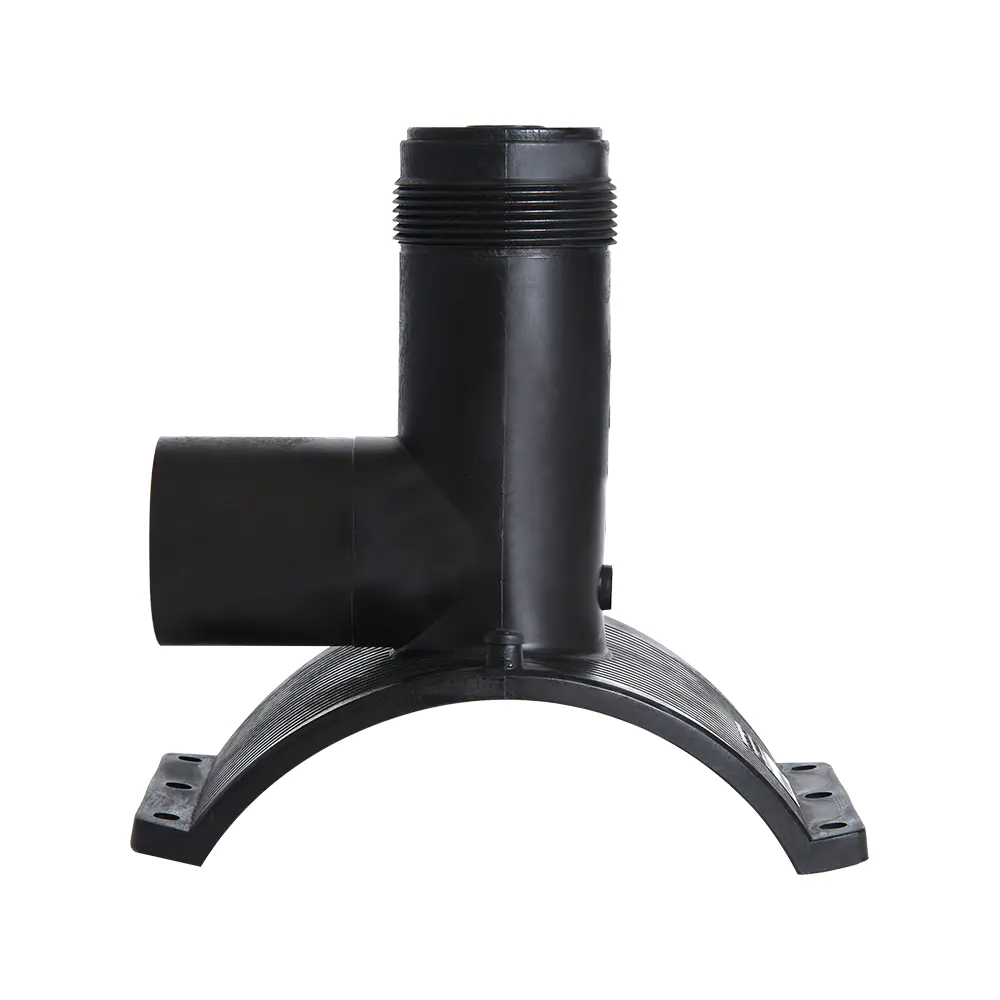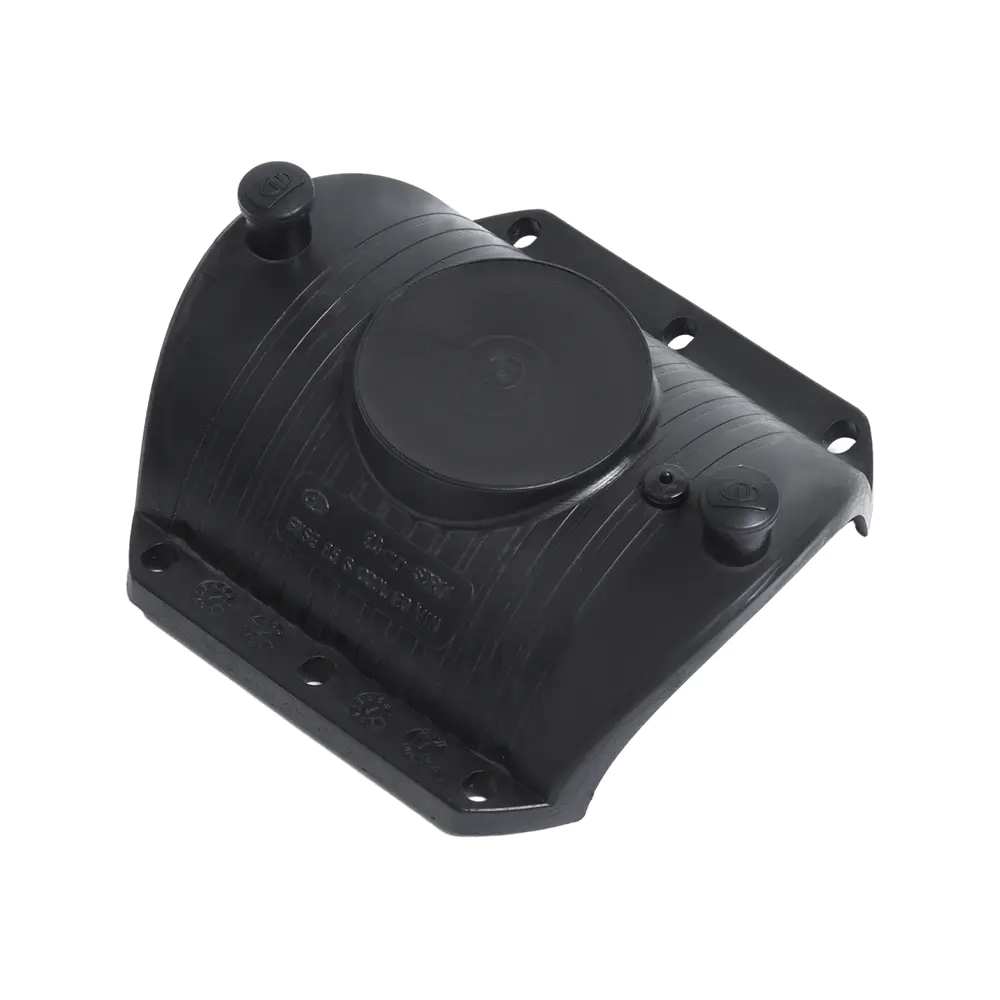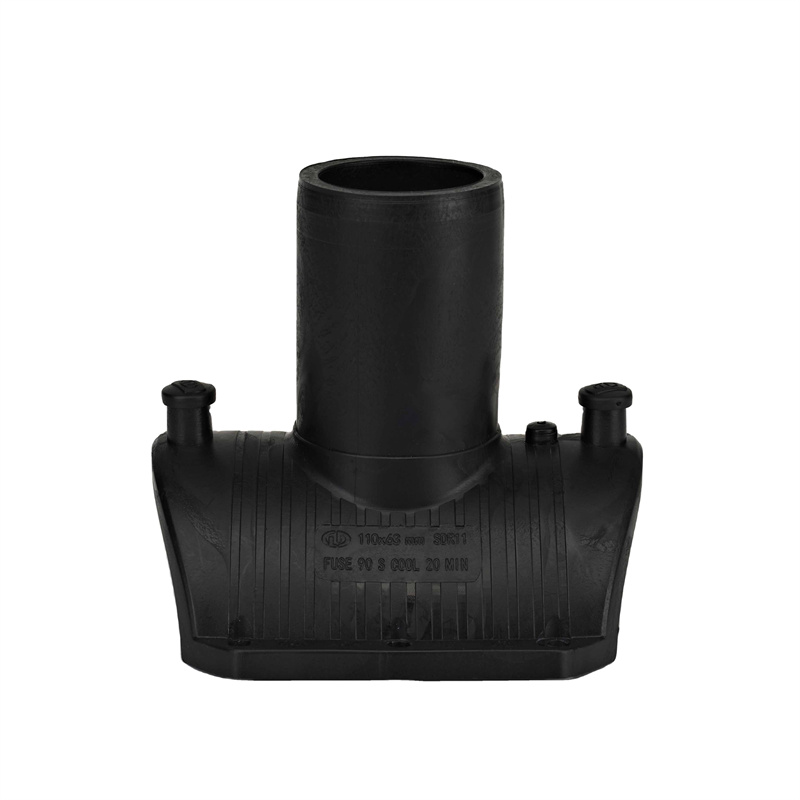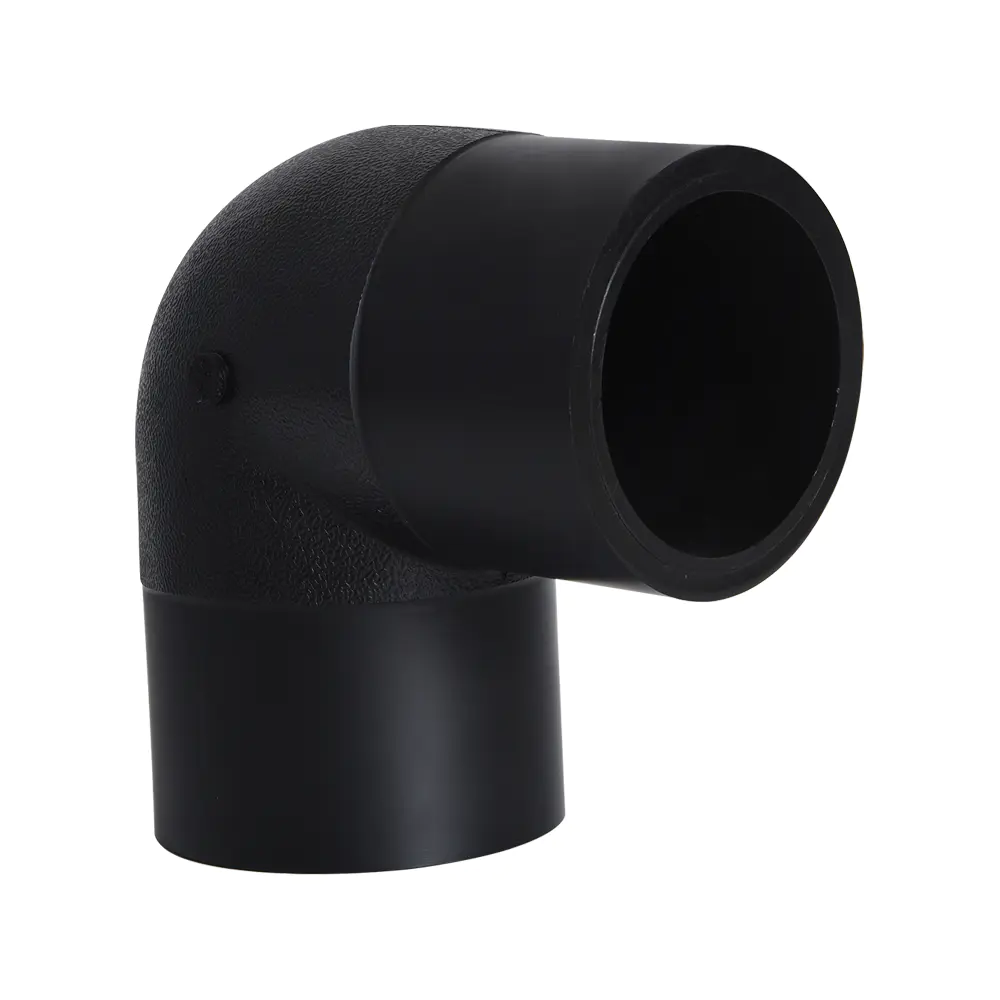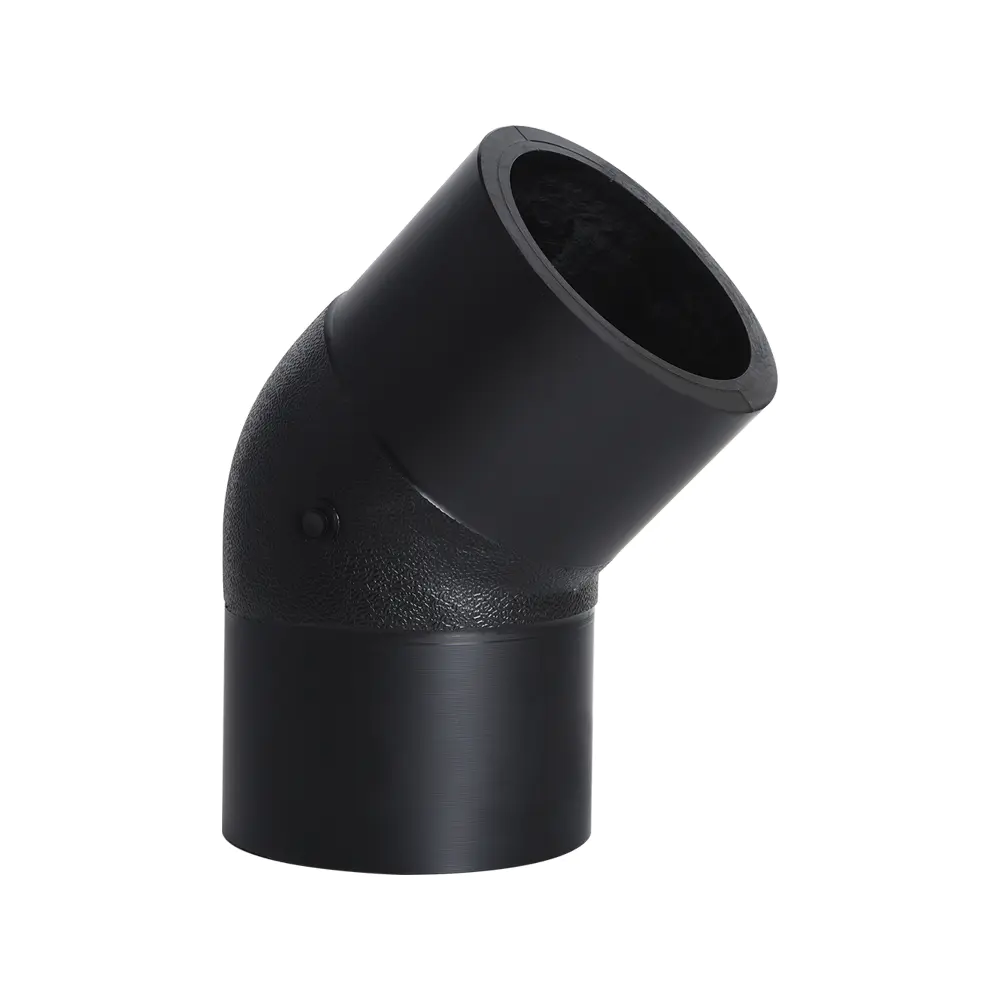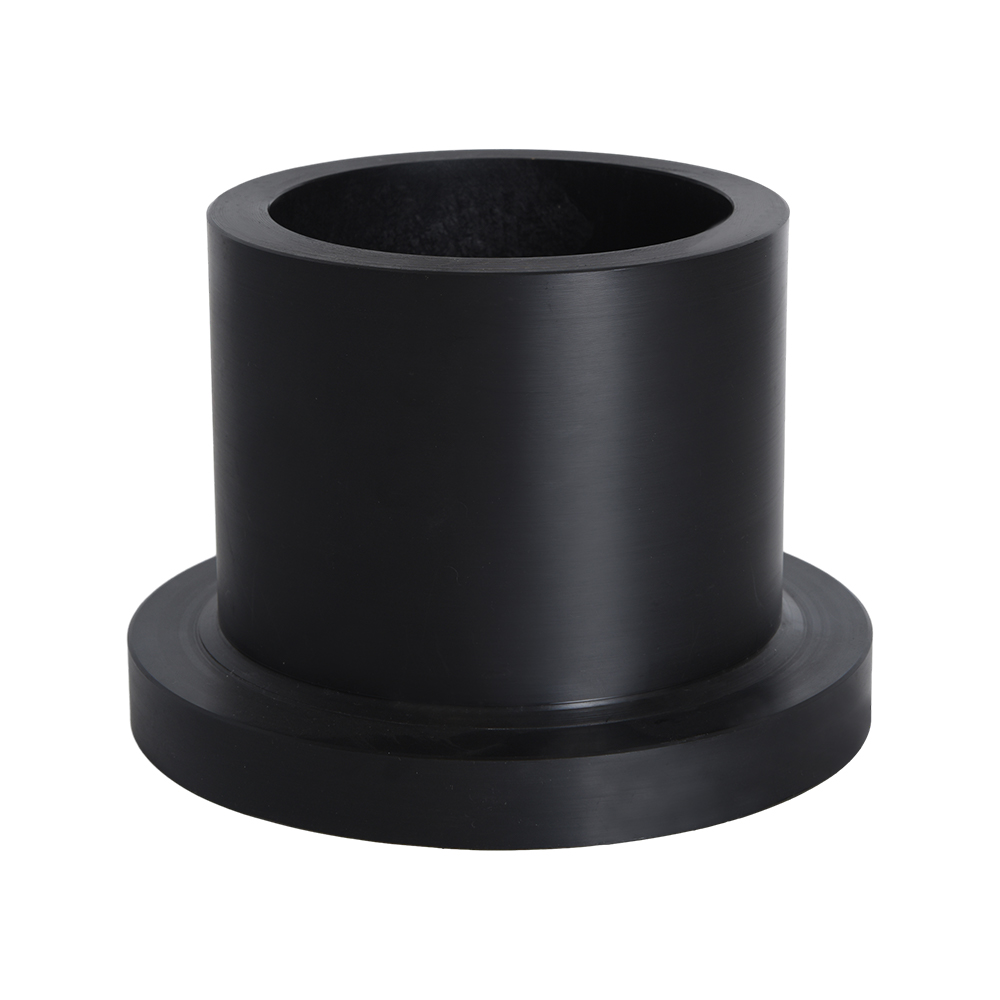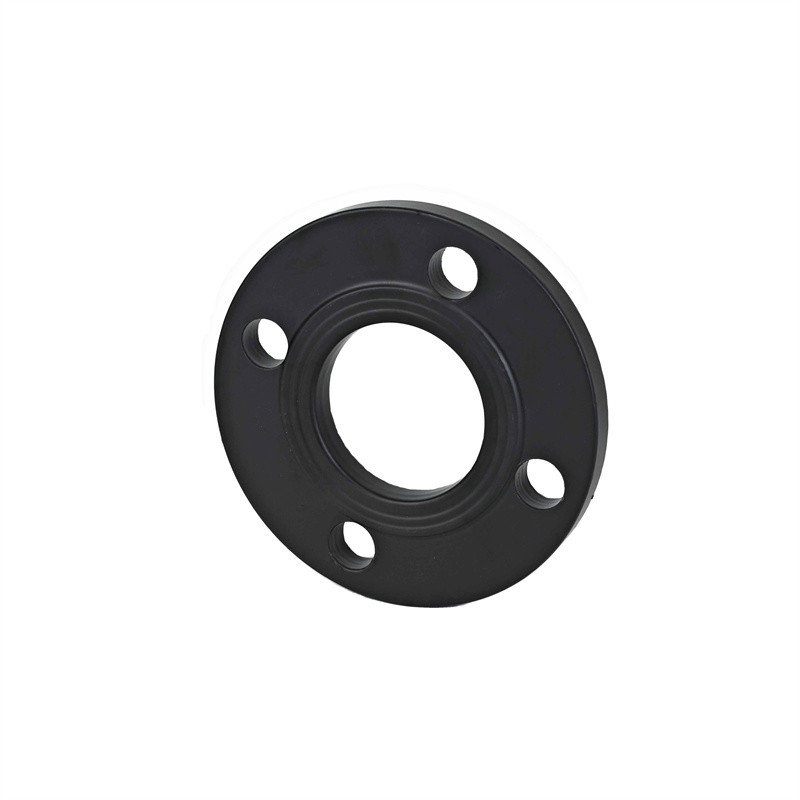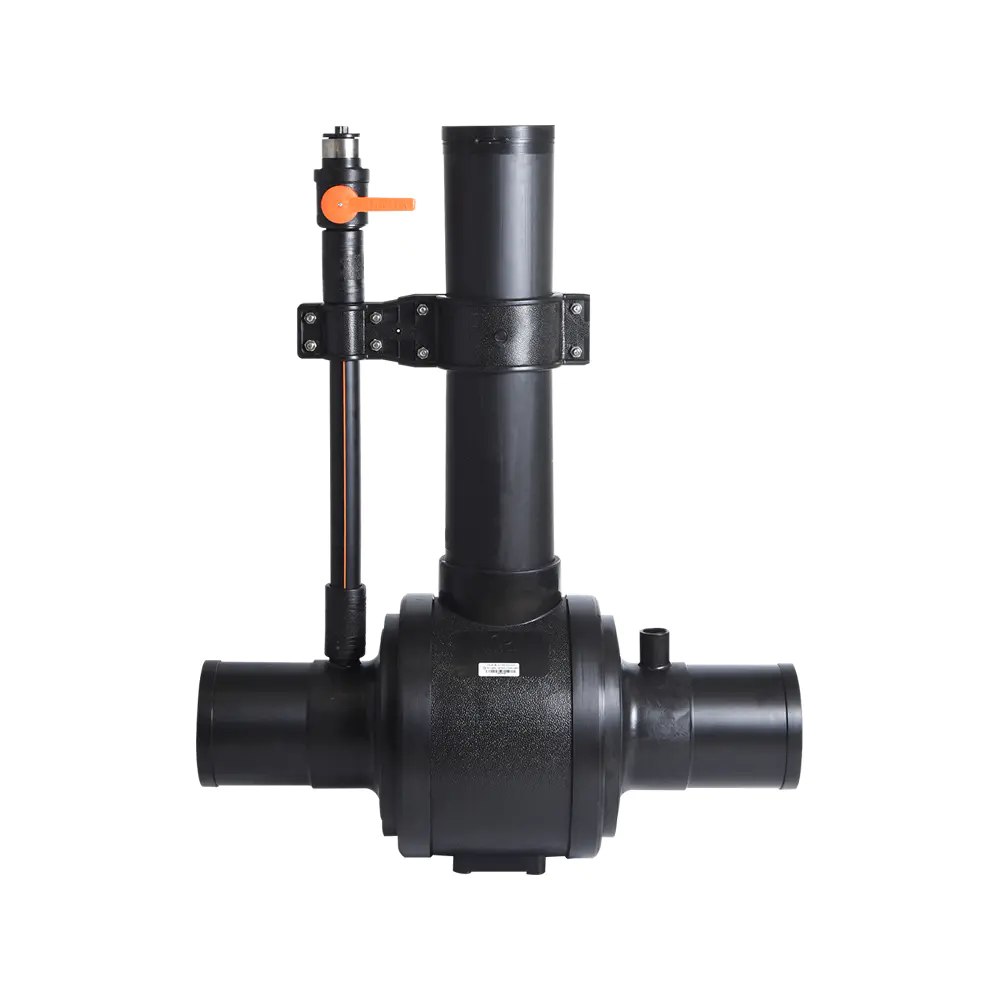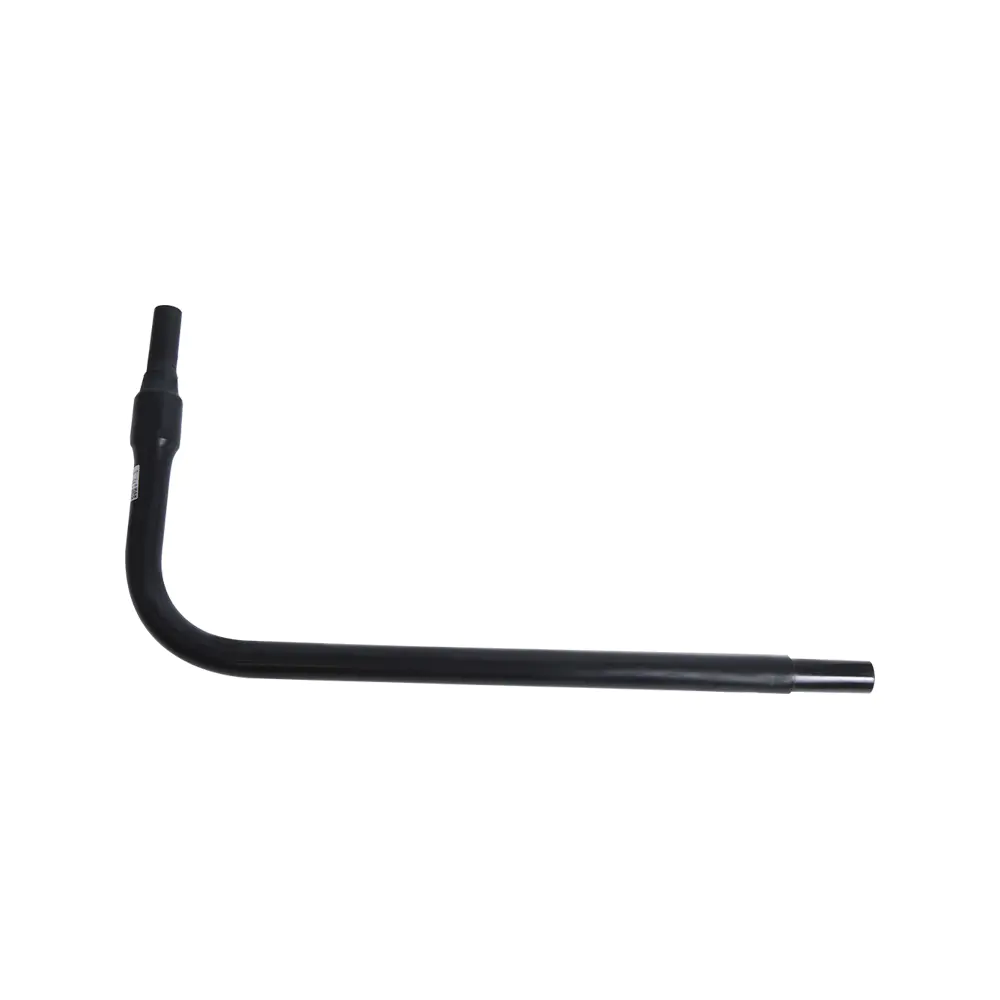
Home / Products / PE Butt Fusion Fittings / Butt Fusion End Cap

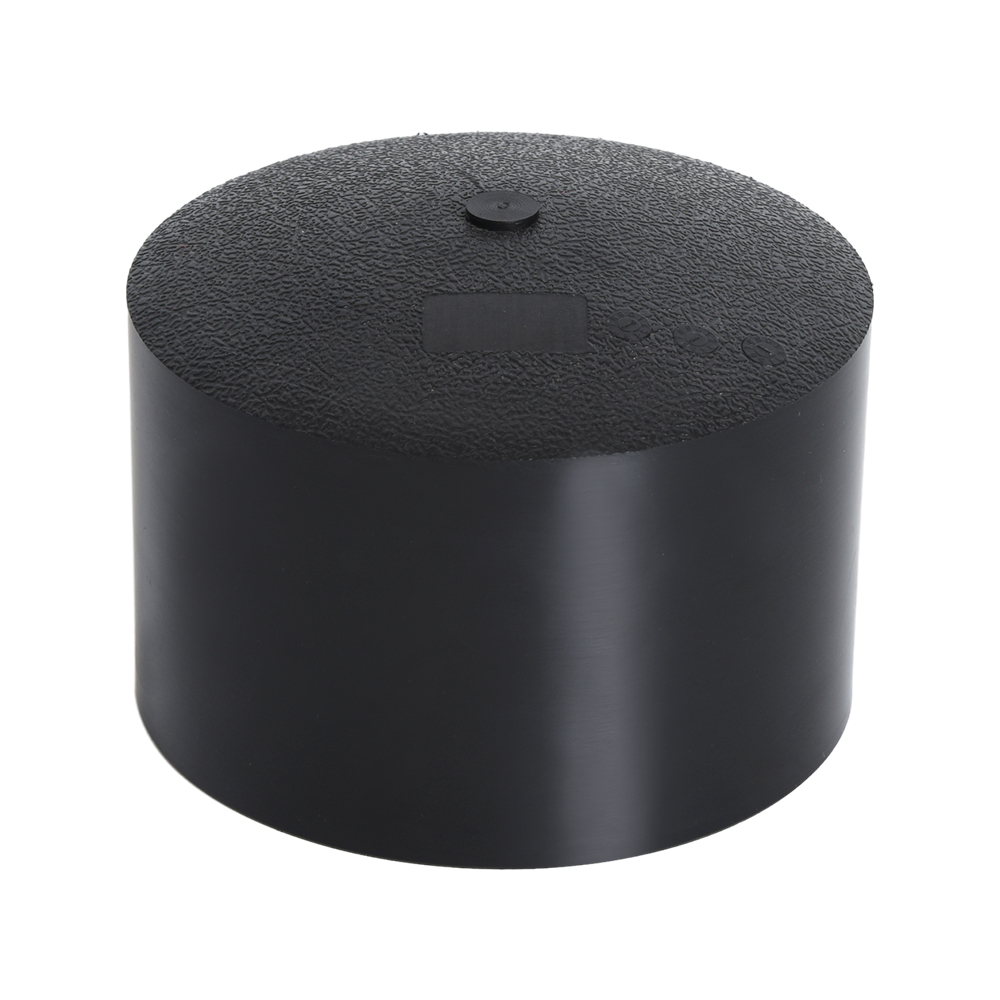
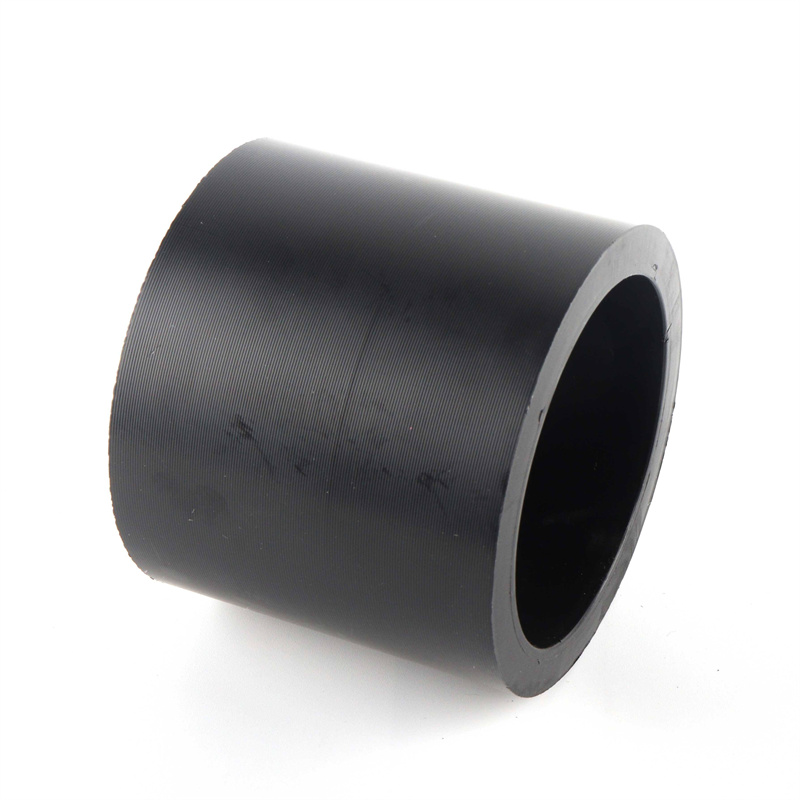
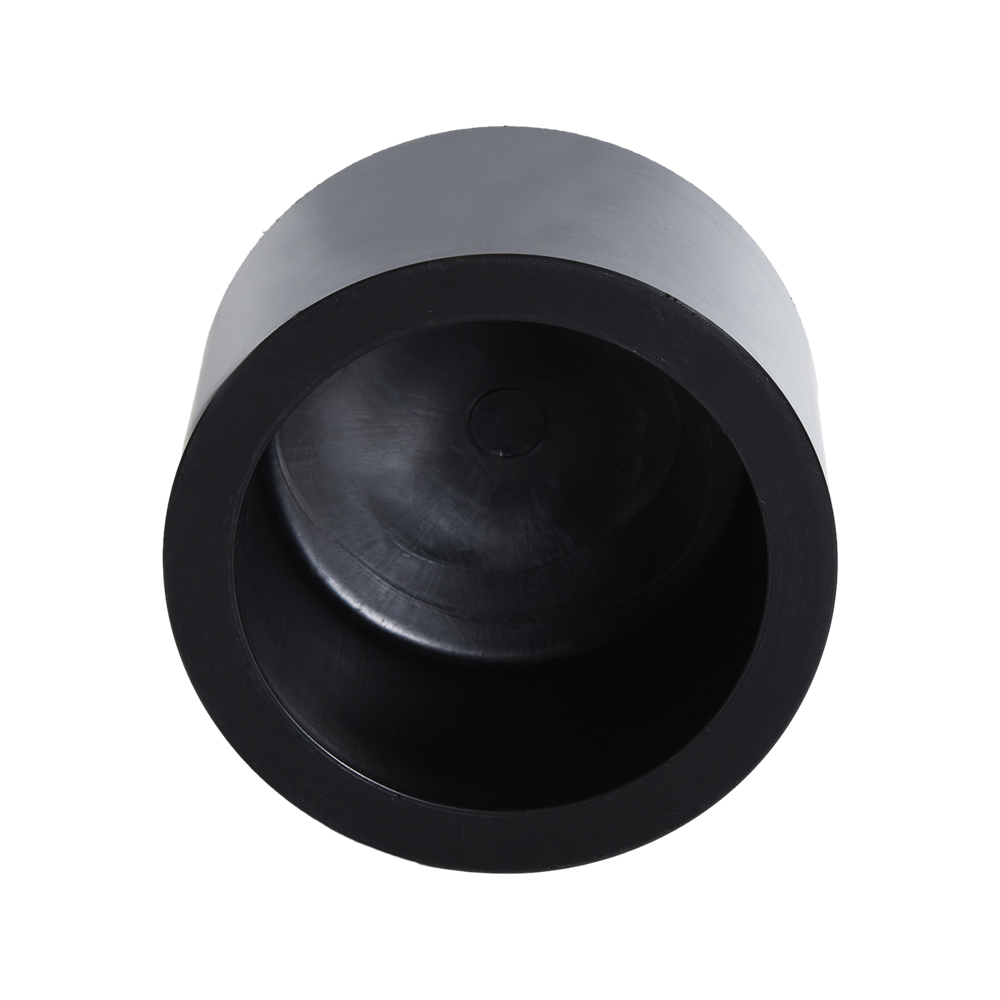
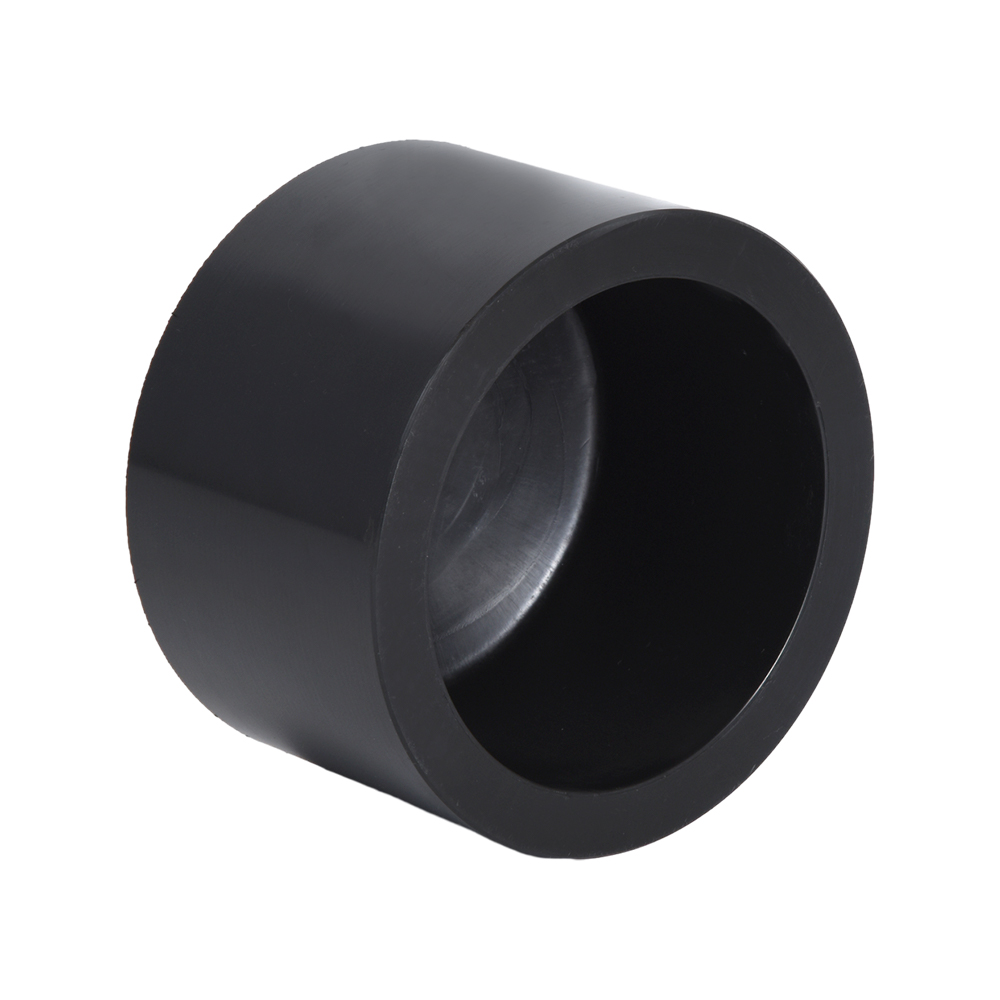
HDPE Butt Fusion End Cap Wholesale

About Us
Ningbo Lianda Plastic Pipe Co., Ltd.
Ningbo Lianda Plastic Pipe Co., Ltd. is China HDPE Butt Fusion End Cap Manufacturers and Wholesale Plastic Butt Fusion End Cap Suppliers. The company has successively developed a complete set of Custom Butt Fusion End Cap for Natural gas and Water Use and PE gas pipe fittings, including electric melting pipe fittings, hot melting pipe fittings, PE ball valves, PE steel plastic conversion joints (including 3PE anti-corrosion steel plastic conversion joints), covering over 1000 varieties and specifications of Dn20-Dn630. The company has advanced production equipment, including nearly 30 injection molding machines with a capacity of 100000 grams, over 30 CNC processing equipment, and an annual production of over 10 million pipe fittings and over 40000 PE ball valves. The test center has complete testing equipment (hydrostatic testing machine, Analytical balance, microscope, carbon black content tester, dumbbell prototype, melt mass flow rate meter, medium thermostat, universal electronic tensile machine, semiconductor laser marking machine, thermal stability tester, etc.).
Certificate Of Honor
  • honor
  • honor
  • honor
  • honor
  • honor
News
Butt Fusion End Cap Industry knowledge

The Fundamental Role of Butt Fusion End Caps in Modern Piping

Brief explanation of butt fusion welding

Butt fusion welding is a sophisticated thermofusion process specifically designed to join high-density polyethylene (HDPE) pipes and fittings by heating their squared ends to a molten state and then pressing them together under precisely controlled pressure. Unlike mechanical joining methods that rely on external force or adhesives, butt fusion creates a molecular bond. When the crystalline structure of the polyethylene is heated beyond its melting point, the molecules move freely. As the two molten surfaces are pressed together, these molecules entangle and intermix. Upon cooling, the material recrystallizes into a single, continuous structure. This process is the cornerstone of modern plastic piping, ensuring that the joint is as strong as, or even stronger than, the original pipe wall. The quality of this weld depends on three critical variables: temperature, pressure, and time. If any of these parameters are neglected, the integrity of the piping system is compromised. For professional installers, understanding the rheology of the plastic during the melt phase is essential for producing a joint that can withstand decades of service under high-pressure conditions.

Definition and purpose of butt fusion end caps

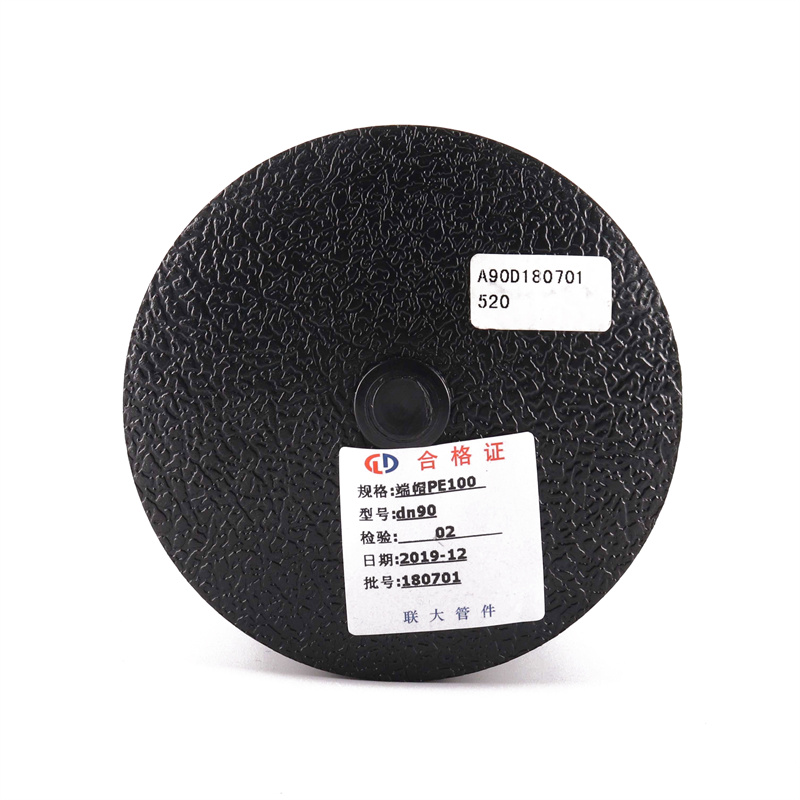
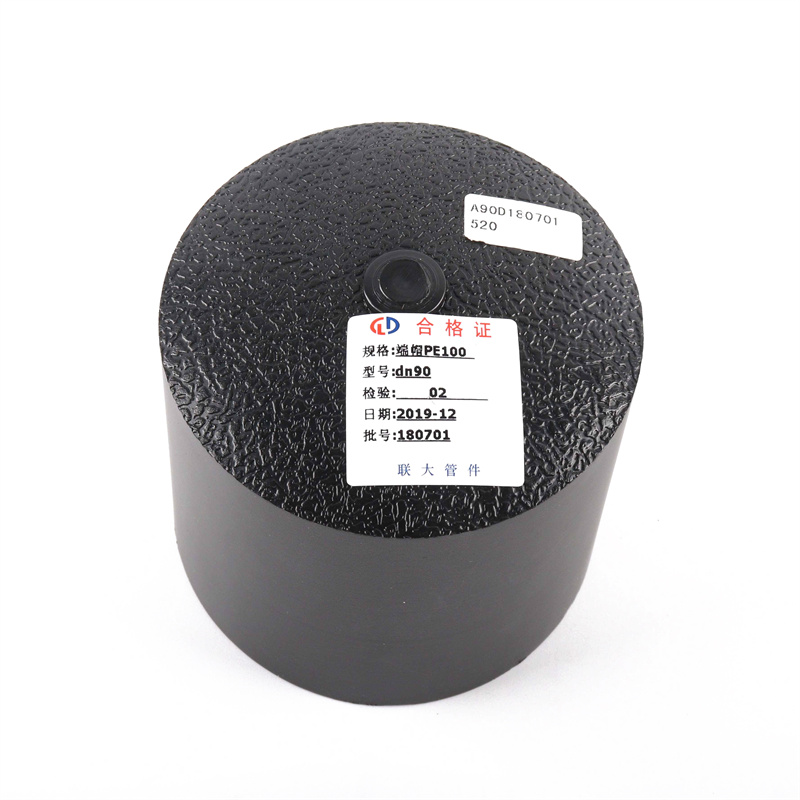
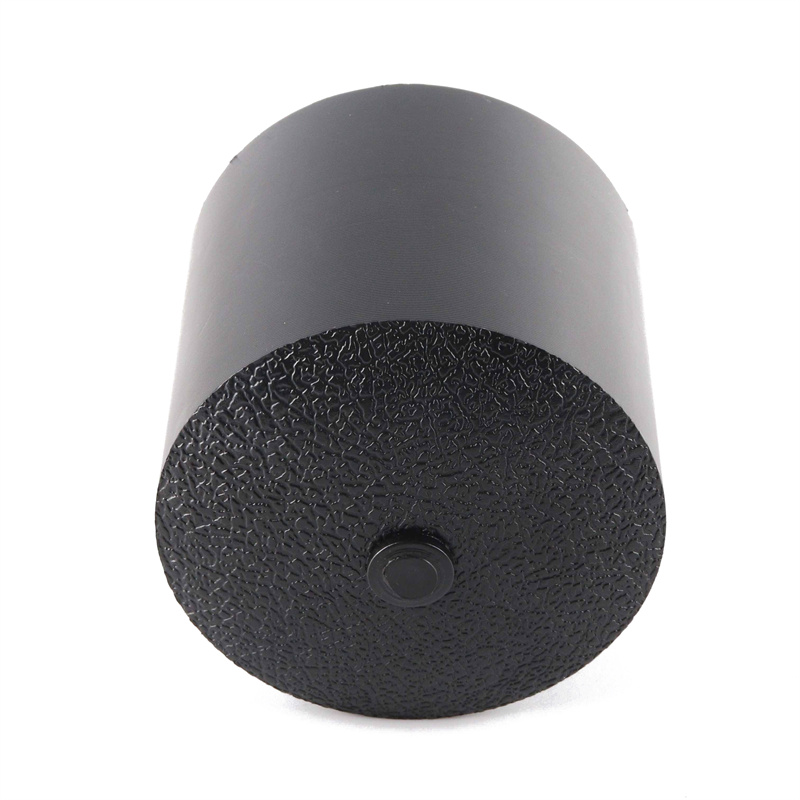
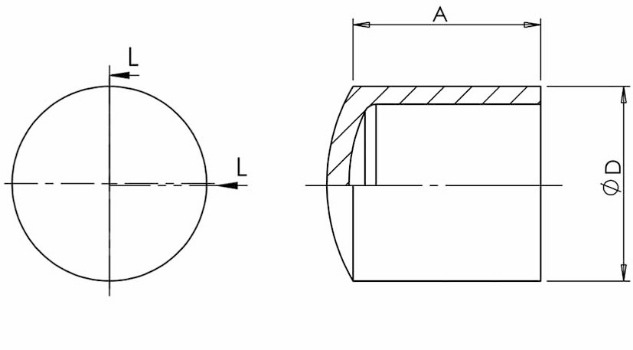
Within this welding ecosystem, a butt fusion end cap serves as a specialized termination fitting. It is a solid, domed, or flat-faced component designed to be welded onto the end of a pipe run to provide a permanent, hermetic seal. Its primary purpose is to stop the flow of fluid or gas within a pipeline segment, effectively creating a dead end. Unlike temporary plugs or mechanical caps, a butt weld cap is intended for long-term or permanent installation, maintaining the pressure rating and structural integrity of the entire system. Ningbo Lianda Plastic Pipe Co., Ltd. specializes in manufacturing these critical components, ensuring that every end cap provides a seamless transition from the active pipe to the terminal closure. The internal design of the butt fusion end cap is engineered to distribute stress evenly across the dome, preventing point-loading failures during internal pressure surges. By using high-quality resins, these caps ensure that the termination point of the pipeline is just as reliable as the pipeline itself.

Why butt fusion end caps are essential in piping systems

The presence of a butt fusion end cap is vital for several operational and safety reasons. Firstly, they are indispensable for system testing. During construction, engineers must pressure test specific segments of a network before the entire system is linked. A butt fusion end cap allows for high-pressure air or water testing without the risk of leaks associated with temporary mechanical seals. Secondly, they provide contamination prevention. Unfinished pipe runs can easily collect debris, groundwater, or small animals, leading to future blockages or water quality issues. Sealing these ends with polyethylene end caps ensures internal cleanliness. Lastly, they facilitate future expansion. By terminating a line with a butt fusion fitting, operators can easily identify where a line ends and, when needed, cut the cap off to fuse a new extension, ball valve, or tee fitting into the existing network. Ningbo Lianda Plastic Pipe Co., Ltd. provides a massive range of specifications covering over 1000 varieties, making it easier for engineers to plan for multi-stage infrastructure developments where pipelines must be sealed securely for long periods before final activation.

Diverse Material Types of Butt Fusion End Caps

HDPE End Caps

High-Density Polyethylene (HDPE) is the most prevalent material used in the production of butt fusion end caps. Typically manufactured from PE100 or PE100-RC (Resistant to Crack) resins, these fittings offer exceptional toughness and a high strength-to-density ratio. HDPE is favored for its resistance to slow crack growth (SCG) and its ability to withstand significant internal pressures. Ningbo Lianda Plastic Pipe Co., Ltd. utilizes advanced HDPE materials to ensure their fittings can handle rigorous municipal and industrial environments. The molecular structure of HDPE provides a high level of stiffness while remaining ductile enough to survive ground movements or thermal expansion. This material is also highly resistant to UV radiation when carbon black is added, making butt fusion end caps suitable for both buried and above-ground applications.

MDPE End Caps

Medium-Density Polyethylene (MDPE), often categorized as PE80, is widely used in gas distribution networks. MDPE butt fusion end caps provide a higher degree of flexibility compared to HDPE, making them more resilient to ground shifts or vibrations. While the pressure rating may be lower than PE100 counterparts, the ductility of MDPE is a significant advantage in seismic zones or areas with unstable soil. Many gas utilities prefer MDPE because of its excellent stress-crack resistance and its compatibility with a wide range of fusion equipment. Ningbo Lianda Plastic Pipe Co., Ltd. has successively developed a complete set of PE gas pipe fittings, including these essential MDPE end closures, ensuring total system safety in volatile gas environments.

PP End Caps

Polypropylene (PP) variations of butt fusion end caps are specifically engineered for high-temperature applications and specialized industrial chemical processing. While polyethylene is generally limited to temperatures below 60 degrees Celsius, certain PP fittings can operate at significantly higher ranges. These are essential for process piping in chemical plants where the transported media might be corrosive or elevated in temperature. PP end caps offer superior resistance to many organic solvents and acids, making them the preferred choice for pharmaceutical and industrial waste treatment facilities where standard plastic end caps might fail.

Other material variations

Beyond the standard PE and PP, there are specialized variations such as PE-RT (Polyethylene of Raised Temperature resistance) used for hot water applications. Additionally, Ningbo Lianda Plastic Pipe Co., Ltd. has developed specialized 3PE anti-corrosion steel-plastic conversion joints, which combine the chemical resistance of plastic with the structural rigidity of steel for unique transition requirements. The company's diverse production capabilities allow for the creation of specialized butt fusion fittings that meet niche requirements in mining, geothermal energy, and dredging, where traditional materials may not suffice.

Technical Parameter Comparison

The following table provides a detailed comparison of the physical and thermal properties of the materials used in the production of butt fusion end caps:

Property HDPE (PE100) MDPE (PE80) PP (Polypropylene)
Density (g/cm3) 0.941 to 0.965 0.926 to 0.940 0.890 to 0.910
Standard Applications High-Pressure Water, Gas Gas, Low-pressure Water Chemical, High Temp
Flexibility (Elastic Modulus) Moderate (Approx 900 MPa) High (Approx 700 MPa) Low (Greater than 1200 MPa)
Operating Temp Range -40 to +60 degrees C -40 to +50 degrees C 0 to +95 degrees C
Minimum Required Strength (MRS) 10.0 MPa 8.0 MPa Variable
Resistance to Chemicals Excellent Excellent Superior

Ningbo Lianda Plastic Pipe Co., Ltd. provides these materials across a massive range of specifications, covering over 1000 varieties and sizes from Dn20 to Dn630, ensuring compliance with both MDPE and HDPE requirements for global infrastructure projects.

Critical Applications of Butt Fusion End Caps Across Industries

Water Distribution

In municipal water supply systems, butt fusion end caps are used to terminate water mains in residential developments or to seal off branch lines intended for future use. The leak-proof nature of the HDPE end cap is essential for maintaining potable water hygiene and preventing the loss of treated water, which is a significant cost factor for utilities. These fittings are used in both main transmission lines and smaller distribution pipes. Because they do not corrode, they maintain the water quality for the entire life of the system, preventing the introduction of rust or metallic contaminants into the drinking water supply.

Gas Distribution

Safety is the paramount concern in gas piping. Ningbo Lianda Plastic Pipe Co., Ltd. has focused extensively on developing a complete set of PE gas pipe fittings. The use of a butt weld cap in these systems ensures that there are no mechanical gaskets to fail or leak over time. These fittings are rated for high-pressure gas transport and undergo rigorous testing to ensure they can withstand the volatile nature of natural gas and LPG. The seamless fusion joint acts as a permanent barrier, preventing gas migration and ensuring that the termination points are the strongest parts of the network.

Industrial Piping

In the industrial sector, pipelines often transport abrasive slurries or aggressive chemicals. Butt fusion fittings are chosen because they lack internal gaps or crevices where sediment can collect. Plastic end caps are used to close off secondary process lines or chemical storage tanks, providing a high level of chemical inertness that prevents the fitting from degrading when exposed to acids or alkalis. From chemical processing plants to semiconductor manufacturing facilities, these end caps provide the necessary reliability for handling hazardous materials.

Sewer Systems

Sewer and wastewater management systems utilize polyethylene end caps to seal off forced mains or gravity lines during maintenance or phased construction. Because polyethylene is resistant to the hydrogen sulfide gas commonly found in sewers, these end caps do not suffer from the "crown corrosion" that often destroys concrete or metal alternatives. In vacuum sewer systems, the airtight seal provided by a butt fusion end cap is critical for maintaining the pressure differential required for system operation.

Other applications

These fittings are also extensively used in several specialized sectors:

  • Mining: Terminating slurry lines and managing tailing distributions where abrasion resistance is key.
  • Geothermal: Sealing closed-loop heat exchange systems where thermal stability is required.
  • Dredging: Managing high-wear discharge pipes on vessels and shorelines.
  • Landfill Gas Recovery: Sealing extraction wells to manage methane capture and prevent environmental leakage.

To support these varied applications, Ningbo Lianda Plastic Pipe Co., Ltd. offers a comprehensive product line that includes electric melting pipe fittings, PE ball valves, and the aforementioned butt fusion end caps across the full Dn20-Dn630 spectrum. This wide variety ensures that whether a project involves a small residential gas line or a massive municipal sewer main, the correct termination fitting is always available.

Core Advantages of Using Butt Fusion End Caps

Leak-Proof Joints

The most significant advantage of using a butt fusion end cap is the creation of a leak-proof system. Since the fusion process creates a continuous molecular structure, there is no interface where a leak could develop. This is a critical advantage over mechanical couplings or threaded caps, which rely on seals that can perish or loosen due to thermal expansion and contraction. In critical infrastructure, such as high-pressure gas or hazardous chemical lines, the zero-leak tolerance provided by butt fusion fittings is the only acceptable standard.

High Strength and Durability

A welded butt weld cap possesses the same mechanical properties as the pipe. In pressure tests, it is common for the pipe itself to burst before the fused joint fails. This high structural integrity makes it ideal for trenchless installation methods, such as horizontal directional drilling (HDD), where the fitting must withstand significant pulling forces. The durability of polyethylene end caps also means they are resistant to environmental factors like freezing water, which can cause rigid metal or PVC fittings to crack.

Corrosion Resistance

Unlike iron or steel caps, plastic end caps are immune to electrochemical corrosion. They do not rust, pit, or scale. This eliminates the need for expensive protective coatings or sacrificial anodes. For projects handled by Ningbo Lianda Plastic Pipe Co., Ltd., this durability is enhanced by the use of high-quality resins that are resistant to environmental stress cracking and aggressive soil chemistries. This makes them perfect for coastal areas or industrial sites with high soil salinity or acidity.

Cost-Effectiveness

While the initial requirement for fusion equipment involves some investment, the long-term cost-effectiveness is unmatched. The speed of the fusion process for a butt fusion fitting reduces labor hours compared to complex mechanical assemblies. Furthermore, the zero-maintenance requirement means that once an end cap is buried, it does not require inspection or replacement for decades. The reduction in water loss (unaccounted-for water) and the prevention of gas leaks also provide significant financial savings for utility operators over time.

Long-Term Reliability

Fittings produced by Ningbo Lianda Plastic Pipe Co., Ltd. are designed for a 50-year service life. This long-term reliability is backed by the company's development of over 1000 varieties of fittings, including PE ball valves and conversion joints, all engineered to maintain system integrity under constant pressure and environmental flux. The molecular bond created during fusion does not degrade with age, ensuring that the termination point remains secure for the entire operational life of the pipeline.

Butt Fusion End Cap Installation Process

Tools and Equipment Required

The installation of a butt fusion end cap requires specialized machinery to ensure the parameters of heat, time, and pressure are met. Key tools include:

  • Butt Fusion Machine: A hydraulic or manual frame equipped with clamps to hold the pipe and the butt fusion end cap in perfect alignment.
  • Heating Plate: A thermostatically controlled plate with a non-stick coating, capable of reaching temperatures up to 235 degrees C.
  • Trimmer (Facer): A rotating cutting tool used to plane the ends of the pipe and fitting.
  • Alignment Tools: Ensuring the butt weld cap is perfectly concentric with the pipe.
  • Cleaning Agents: High-purity isopropyl alcohol and lint-free wipes for surface preparation.

Preparation of Pipes and Fittings

Before welding, the pipe and the butt fusion end cap must be cleaned. Any dirt, moisture, or oil can lead to a void in the weld, compromising the seal. Technicians must use 90 percent or higher isopropyl alcohol to wipe the fusion surfaces. The pipe end must be cut square, and any burrs must be removed. Alignment is critical; if the butt fusion fitting is even slightly tilted, the heater plate will not make uniform contact, leading to an uneven melt and a potential joint failure.

Step-by-Step Installation Guide

  • Loading: Secure the pipe and the butt fusion end cap into the machine's clamps. Ensure enough material protrudes to allow for facing.
  • Facing: Bring the facer between the components and plane the surfaces until continuous ribbons of plastic are produced. This ensures the ends are perfectly flat, square, and free of oxidation.
  • Alignment Check: Close the machine to ensure there is no visible gap or "high-low" (offset) between the pipe and the fitting. Adjust the clamps if necessary.
  • Heating: Insert the heater plate. Apply "bead-up" pressure until a consistent melt bead forms around the circumference of both the pipe and the end cap.
  • Heat Soak: Once the bead reaches the required height, reduce pressure to the "soak" level to allow heat to penetrate deeper into the material without pushing the melt out.
  • Fusion: Quickly remove the plate (within the dwell time) and bring the ends together at the specified fusion pressure.
  • Cooling: Hold the joint under pressure until it has cooled to a stable temperature. Do not use water to speed up the cooling process.

Heating and Fusion Process Parameters

The following table highlights the critical parameters for different sizes in the Ningbo Lianda Plastic Pipe Co., Ltd. range:

Pipe Size (Dn) Heating Temp (degrees C) Min. Bead Height (mm) Soak Time (sec/mm wall) Cooling Time (mins)
Dn20 to Dn110 210 plus or minus 10 0.5 to 1.0 10 to 12 5 to 15
Dn125 to Dn315 210 plus or minus 10 1.5 to 2.5 12 to 15 15 to 35
Dn355 to Dn630 210 plus or minus 10 3.0 to 5.0 15 to 18 35 to 60

Cooling and Inspection

Cooling is as important as heating. If the butt fusion end cap is moved or subjected to stress before it has fully recrystallized, the internal structure of the joint will be weakened. Once cooled, the joint must be inspected visually. A successful weld should exhibit a uniform, double-roll bead that is rounded and consistent. For critical gas lines, technicians may also use ultrasonic testing to ensure there are no internal inclusions or cold spots within the fusion zone.

Common Issues and Troubleshooting for Butt Fusion End Caps

Misalignment Problems

If the pipe and the butt fusion end cap are not centered, the resulting joint will have an offset. This reduces the effective wall thickness at the joint and creates a point of stress concentration. This is often caused by worn machine clamps, bent pipes, or improper pipe support. To fix this, ensure the pipe is supported by rollers and that the machine clamps are tightened evenly. If the offset exceeds 10 percent of the wall thickness, the joint should be cut out and redone.

Heating Issues

"Cold joints" occur when the heater plate is not hot enough or the dwell time (the time the molten ends are exposed to air) is too long. This results in a joint that looks correct on the outside but lacks molecular entanglement on the inside. Conversely, overheating can "burn" the polyethylene, changing its chemical structure and making the butt weld cap brittle. Always use a digital pyrometer to verify heater plate temperatures before starting the fusion process, as the machine's built-in gauge may be inaccurate.

Fusion Imperfections

  • Contamination: Dust or oil creates a non-fused area within the bead. This is often visible as a dark spot or a gap in the bead roll.
  • Incomplete Bead: Indicates that either the heat was uneven or the pressure was insufficient during the fusion stage.
  • Concave Bead: Suggests that the joint was forced together with too much pressure, squeezing out all the molten material and leaving a "starved" joint.
  • Stress Whitening: A sign that the joint was stressed or moved during the critical cooling phase.

Solutions and Best Practices

To ensure the highest quality, Ningbo Lianda Plastic Pipe Co., Ltd. recommends the following: Use a digital pyrometer to verify heater plate temperatures across the entire surface. Always perform a dummy weld at the start of the day to clean the heater plate of any residual microscopic particles. Ensure the environment is controlled; use a welding tent if working in rain, snow, or high winds, as drafts can cause one side of the heater plate to cool faster than the other. Utilize high-quality butt fusion fittings and PE ball valves that are manufactured to consistent tolerances to ensure the best possible fit.

Standards and Regulations for Butt Fusion End Caps

ASTM Standards

In the North American market and international projects following these guidelines, ASTM D3261 is the definitive standard for butt fusion end caps. It specifies the requirements for the materials, workmanship, dimensions, and the ability of the fitting to withstand internal pressure and sustained stress. Compliance with this standard ensures that a butt fusion end cap will perform predictably under the mechanical loads encountered during installation and service.

ISO Standards

ISO 4427 is the global benchmark for polyethylene piping systems. It dictates the SDR (Standard Dimension Ratio) requirements and the chemical testing needed for polyethylene end caps used in water supply. Ningbo Lianda Plastic Pipe Co., Ltd. adheres to these standards to ensure their products are suitable for export and use in diverse international infrastructure projects. These standards ensure that fittings from different manufacturers are compatible and can be safely fused together when material grades match.

Industry-Specific Regulations

For gas applications, regulations are even stricter. Fittings must often comply with EN 1555 or national gas safety codes. Ningbo Lianda Plastic Pipe Co., Ltd. has developed a complete set of PE gas pipe fittings, including specialized PE steel plastic conversion joints (including 3PE anti-corrosion versions), to meet these rigorous safety mandates. These regulations often require batch-testing of fittings to ensure they can survive extreme burst pressure and long-term hydrostatic stress tests.

Maintenance and Inspection of Butt Fusion End Caps

Regular Inspection Procedures

For above-ground or accessible installations, a butt fusion end cap should be inspected annually. Technicians should look for surface degradation, such as chalking or color change due to UV exposure. While HDPE is highly resistant, extreme exposure over decades can lead to surface micro-cracking. Checking the bead integrity is also vital; any cracks or separations in the double-roll bead indicate that the joint is under excessive mechanical stress or was poorly fused. Regular pressure monitoring of the system can also indirectly indicate the health of termination points.

Preventive Maintenance Tips

Prevention starts with proper installation. Ensuring that the butt fusion fitting is not under excessive bending stress is key. For buried pipes, proper bedding with sand or fine gravel protects the plastic end cap from point-loading by sharp rocks. Ningbo Lianda Plastic Pipe Co., Ltd. products are inherently durable, but protecting them from unnecessary mechanical stress during the backfilling process is a best practice. If an end cap is located in a high-traffic area, installing a protective valve box or marker post prevents accidental damage from excavation equipment.

Repairing Damaged End Caps

If a butt weld cap is damaged, it cannot be patched or glued. The only reliable repair involves cutting out the affected section and welding a new butt fusion end cap in its place. Because Ningbo Lianda Plastic Pipe Co., Ltd. offers over 1000 varieties of fittings, finding a matching replacement for any pipe from Dn20 to Dn630 is straightforward. In emergency situations where fusion is not possible due to site conditions, specialized mechanical couplings may be used as a temporary measure, but a fused replacement should be scheduled to maintain the integrity of the polyethylene end cap system.

Frequently Asked Questions About Butt Fusion End Caps

Can I use an HDPE end cap on a pipe made of a different material?

Butt fusion end caps are only compatible with pipes made from the same or very similar thermoplastic materials. For example, you can fuse PE100 to PE80 in many cases, but you cannot butt-fuse a plastic cap to a metal pipe or a PVC pipe. For transitions to other materials, Ningbo Lianda Plastic Pipe Co., Ltd. offers specialized PE steel plastic conversion joints that provide a secure, engineered transition between plastic and metal components.

What is the significance of the SDR rating on a butt fusion fitting?

The SDR (Standard Dimension Ratio) relates the outside diameter of the pipe to its wall thickness. It is critical that the butt fusion end cap has the same SDR as the pipe to ensure that the wall thicknesses match during the fusion process. If the walls are uneven, the heat distribution will be inconsistent, and the joint will be structurally compromised. Using a fitting with a thicker wall (lower SDR) than the pipe is sometimes permissible, but using a thinner wall is a major safety violation.

Are butt fusion end caps suitable for high-pressure applications?

Yes, butt fusion fittings are specifically designed for pressure applications. High-quality fittings from Ningbo Lianda Plastic Pipe Co., Ltd. are rated for various pressure classes (PN ratings). When properly fused, the joint becomes the strongest part of the system and can handle the full rated pressure of the pipe, including temporary surges and water hammer effects.

How does ambient temperature affect the installation of a butt fusion end cap?

Ambient temperature significantly affects the cooling and heating times. In very cold weather, the heater plate may require more time to recover its temperature between welds, and the cooling process may need to be shielded to prevent internal stresses. In hot climates, cooling times must be strictly observed and sometimes extended to ensure the material has fully recrystallized before the machine clamps are released. Wind can also cool one side of the fitting, leading to an uneven melt bead.

What range of sizes are available from Ningbo Lianda Plastic Pipe Co., Ltd.?

The company provides a comprehensive range covering nearly all standard industrial and municipal requirements. Their specifications extend from Dn20 up to Dn630. This massive catalog includes not only butt fusion end caps but also a full suite of electric melting fittings, hot melting pipe fittings, PE ball valves, and anti-corrosion joints, ensuring that every part of the piping network can be sourced from a single, high-quality manufacturer.

How do I know if the fusion was successful?

The most reliable field indicator is the visual double-roll bead. It should be uniform in size and shape around the entire circumference of the butt fusion end cap. The bead should not be brittle, and there should be no gaps between the rolls. For critical gas lines, technicians often perform a "bend back" test on a sample weld or use non-destructive ultrasonic testing to confirm that the molecular bond is perfect across the entire interface.