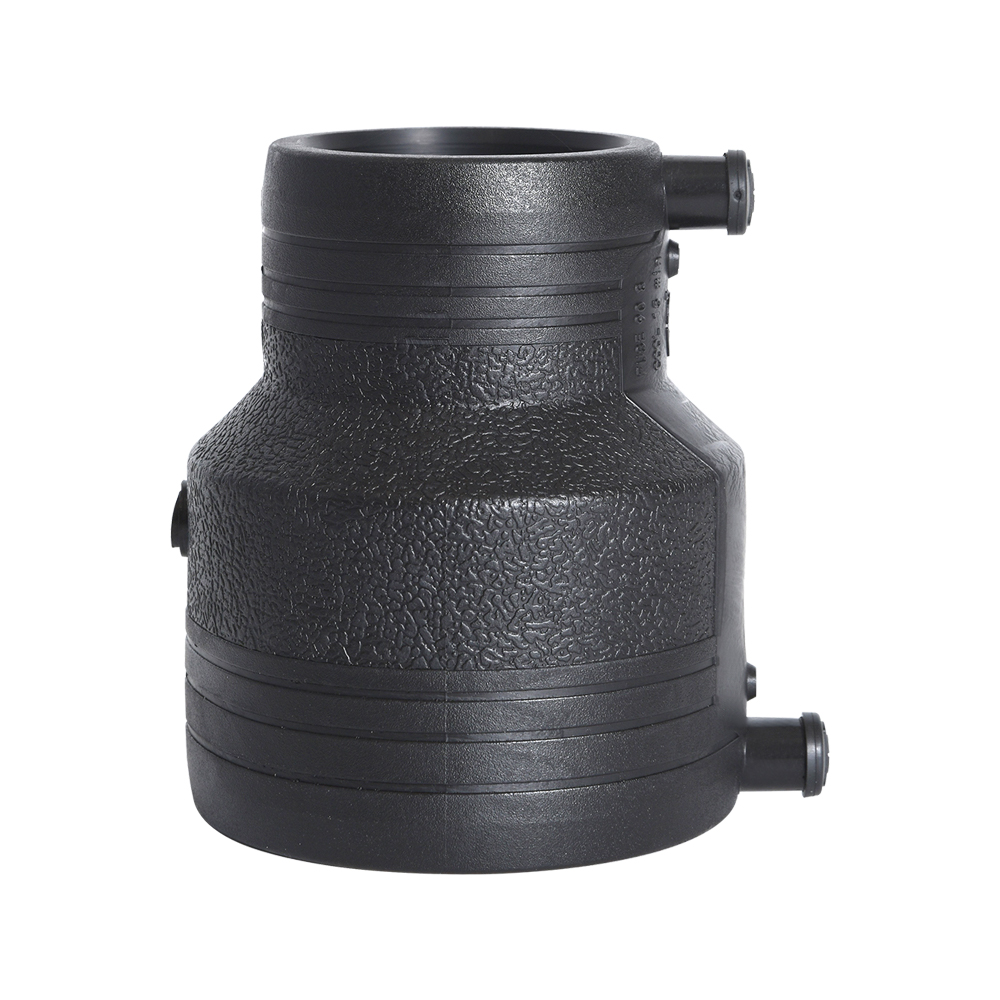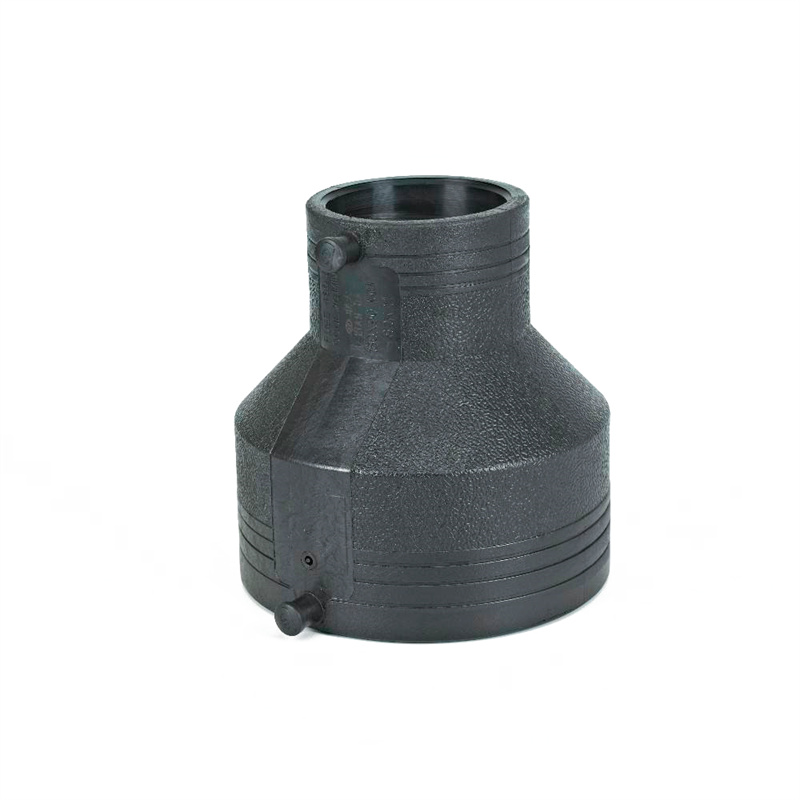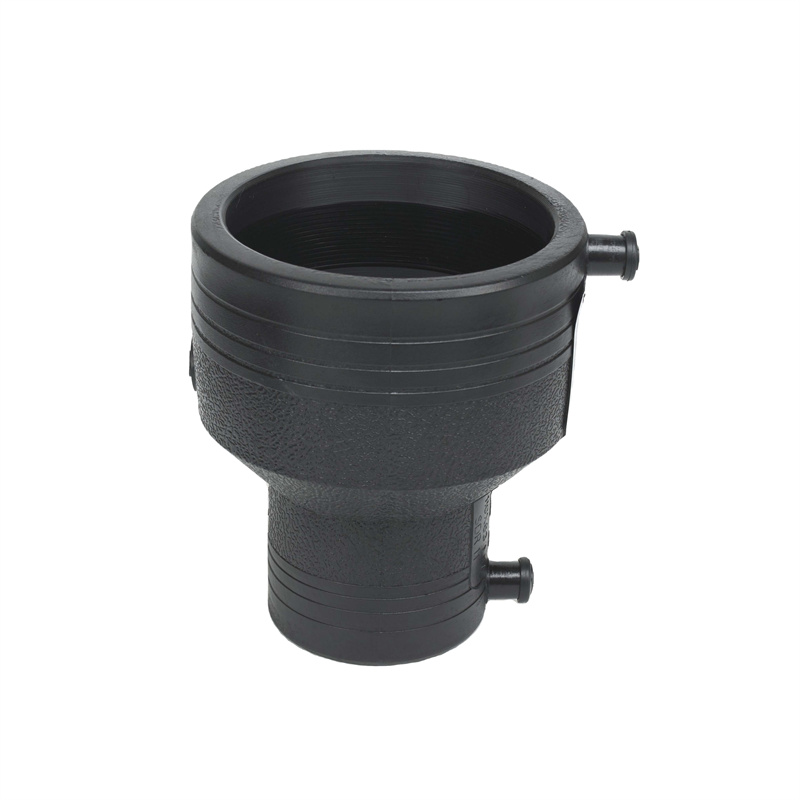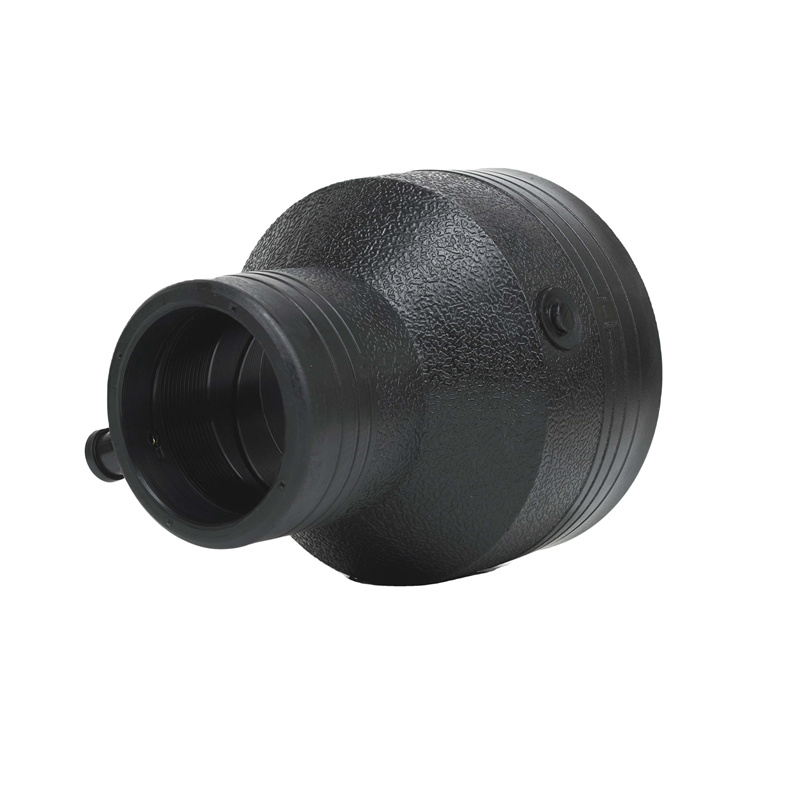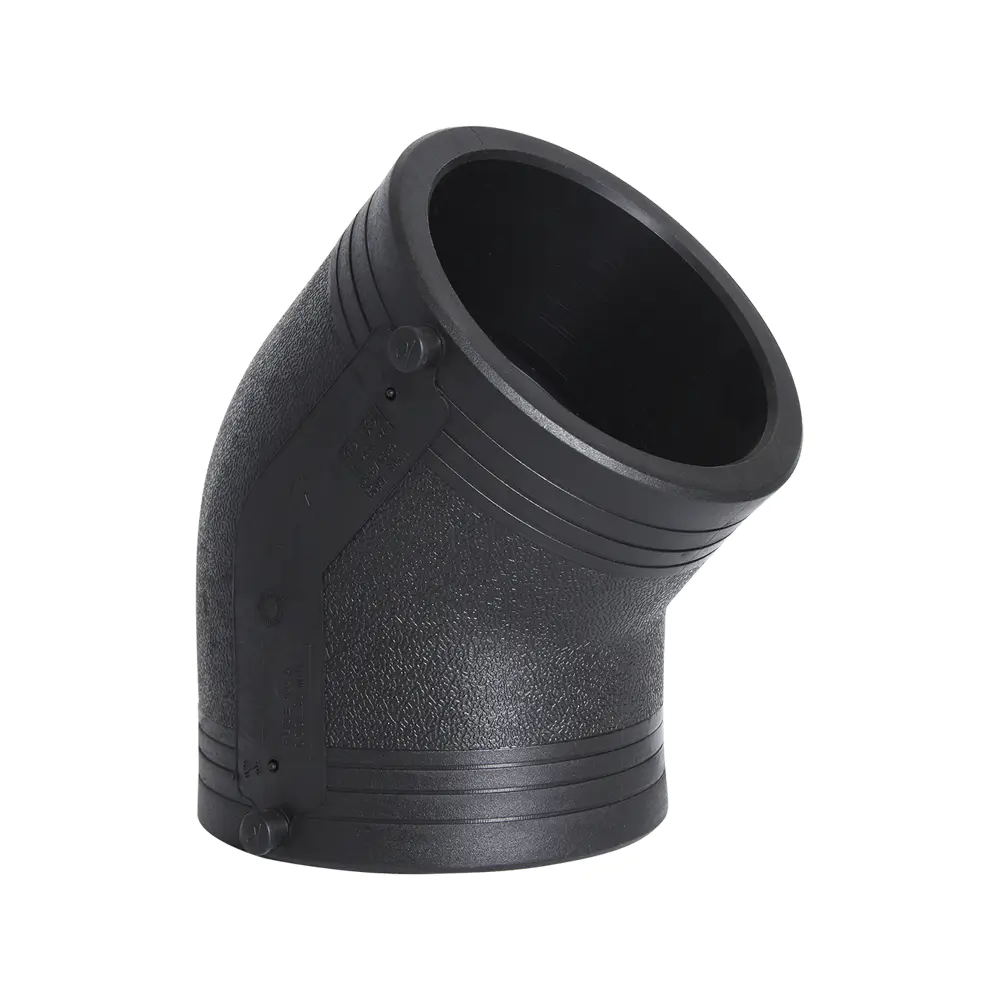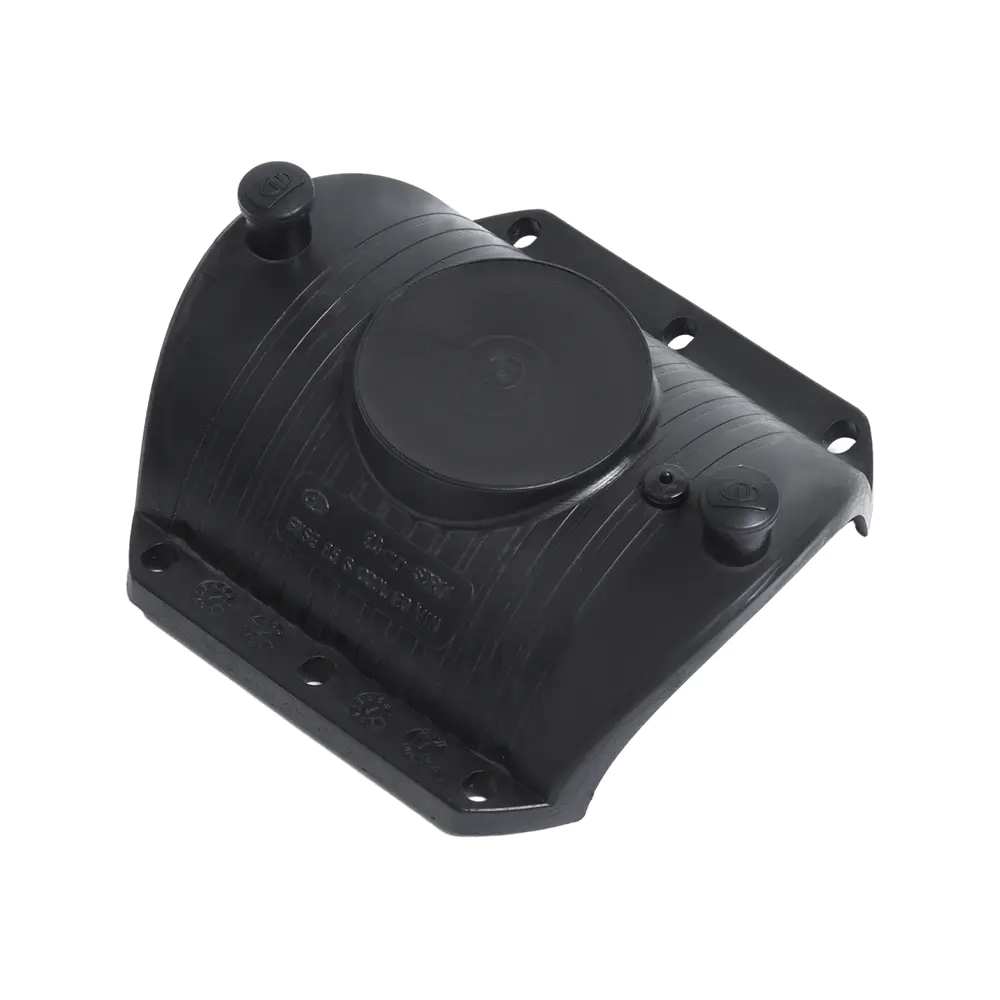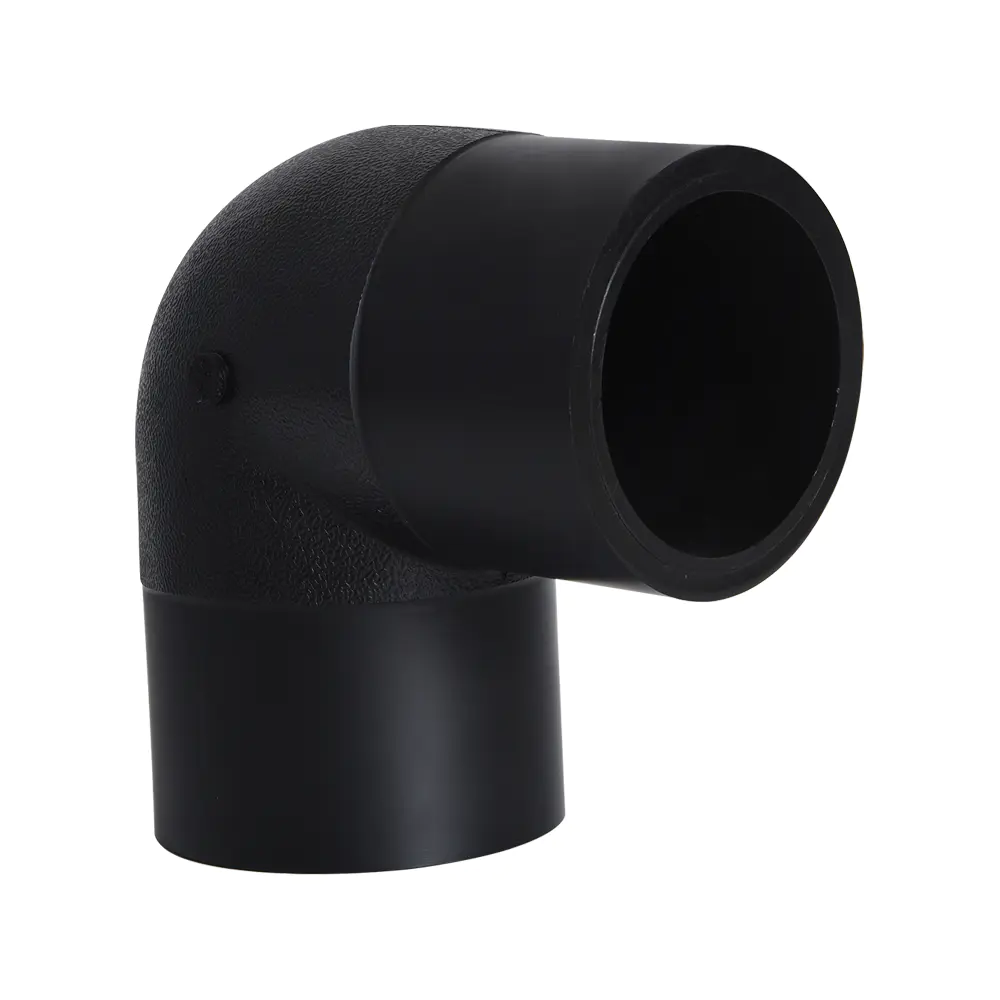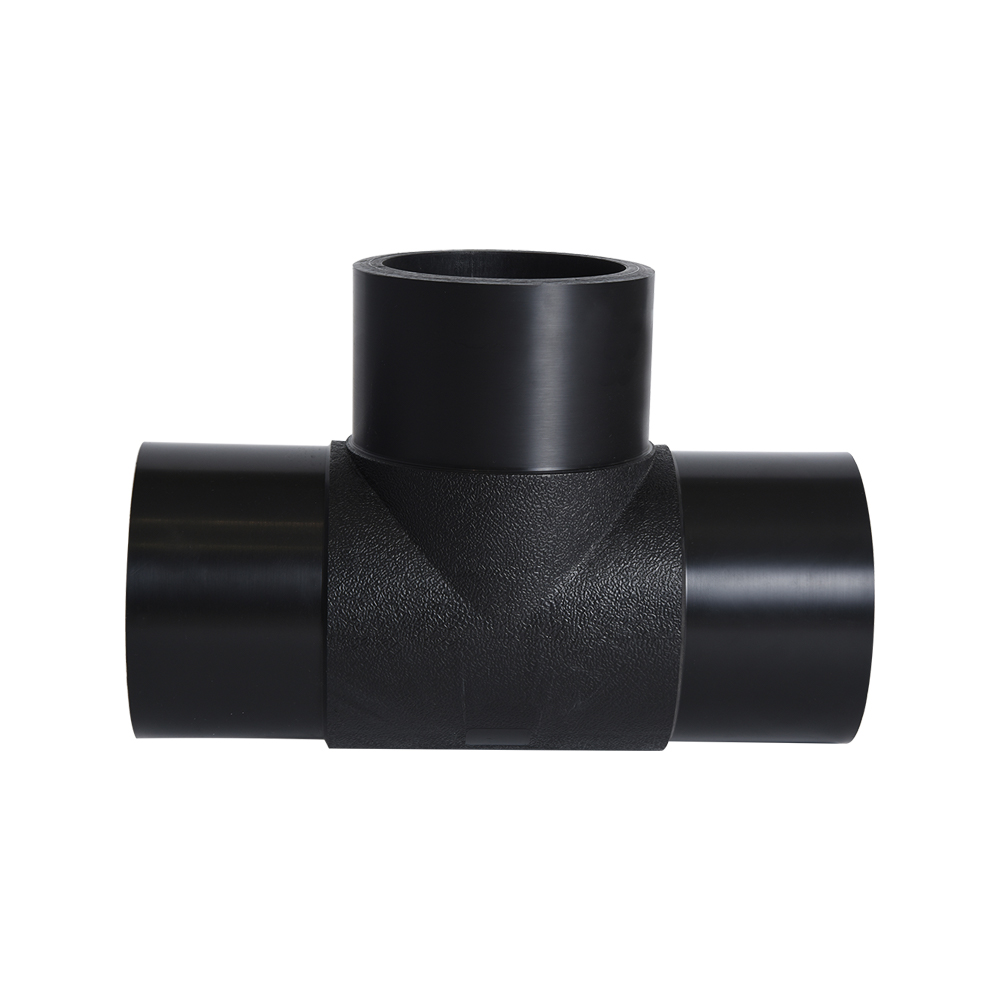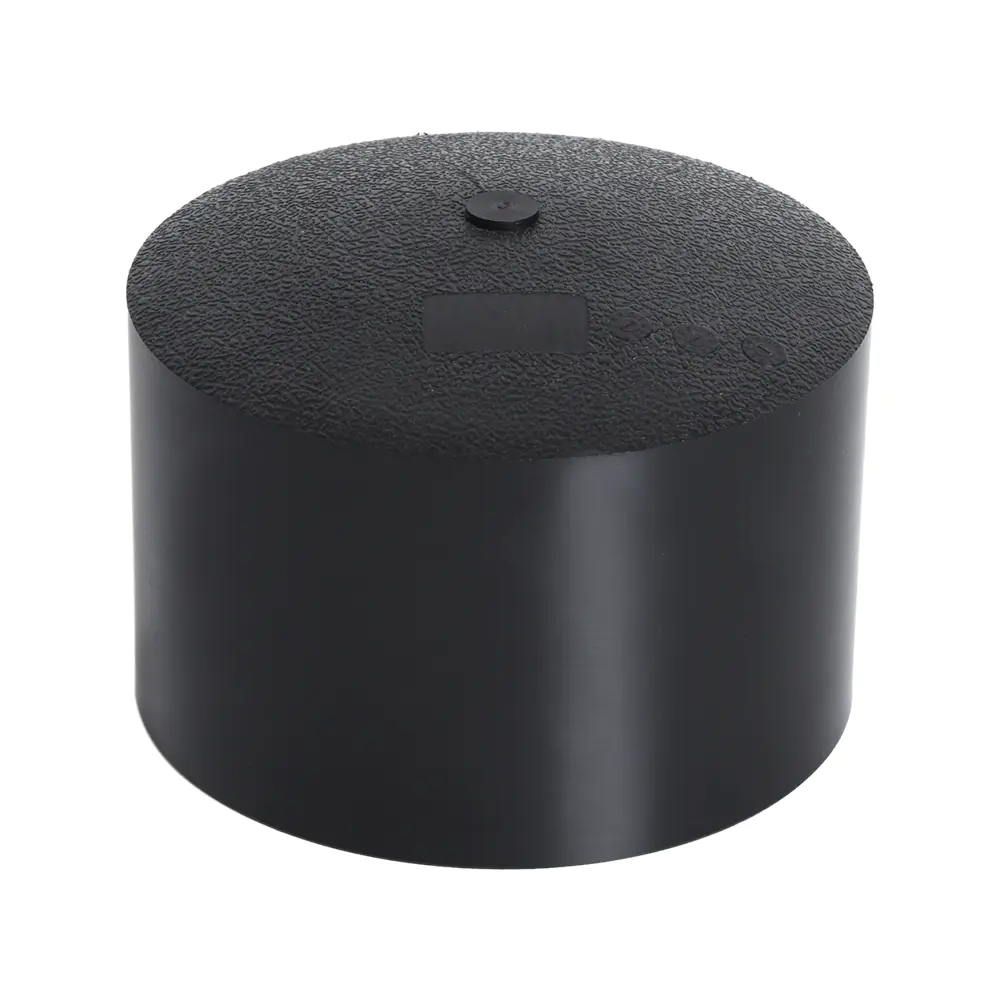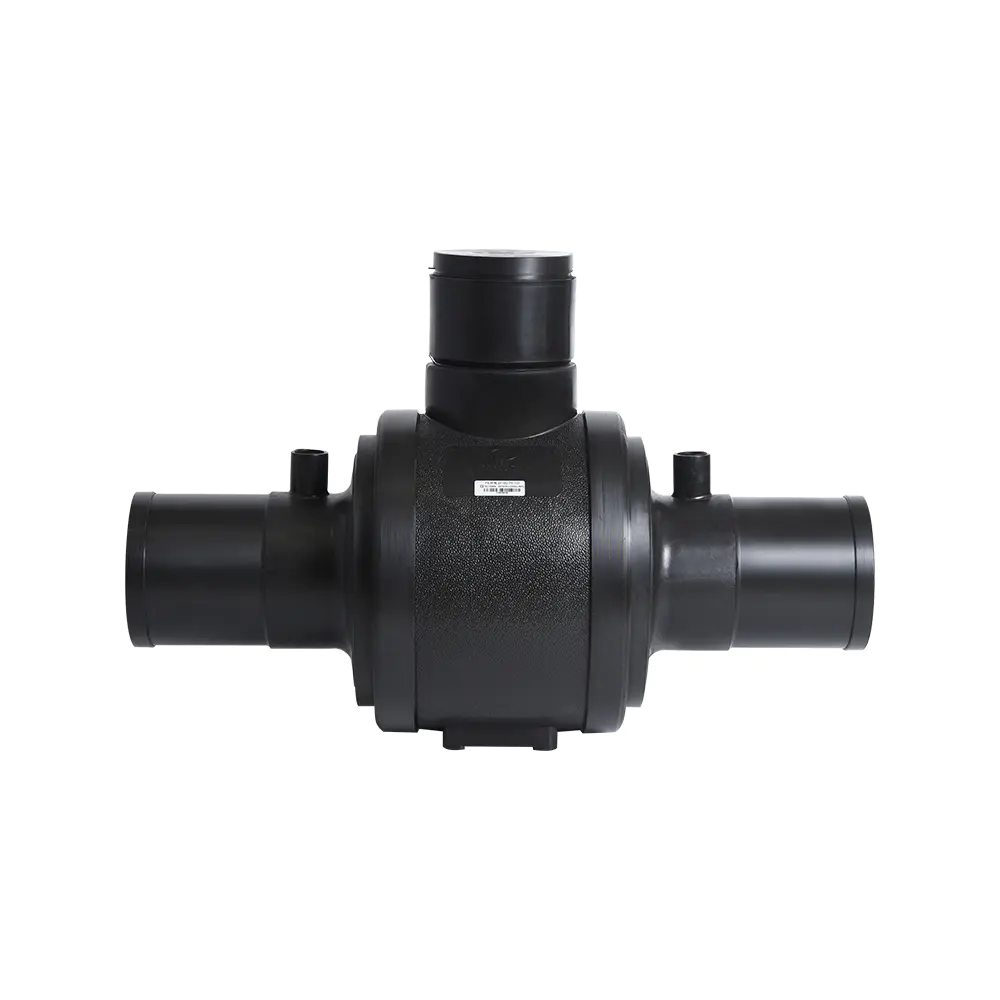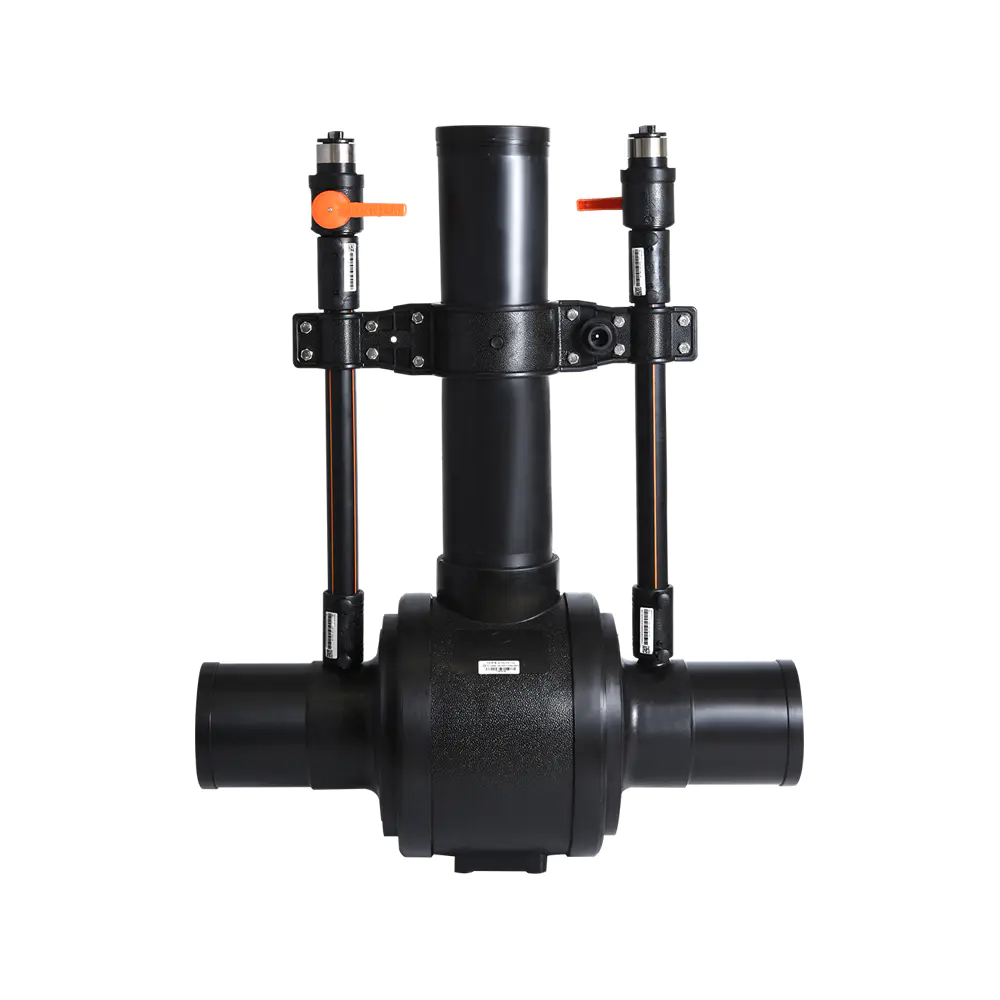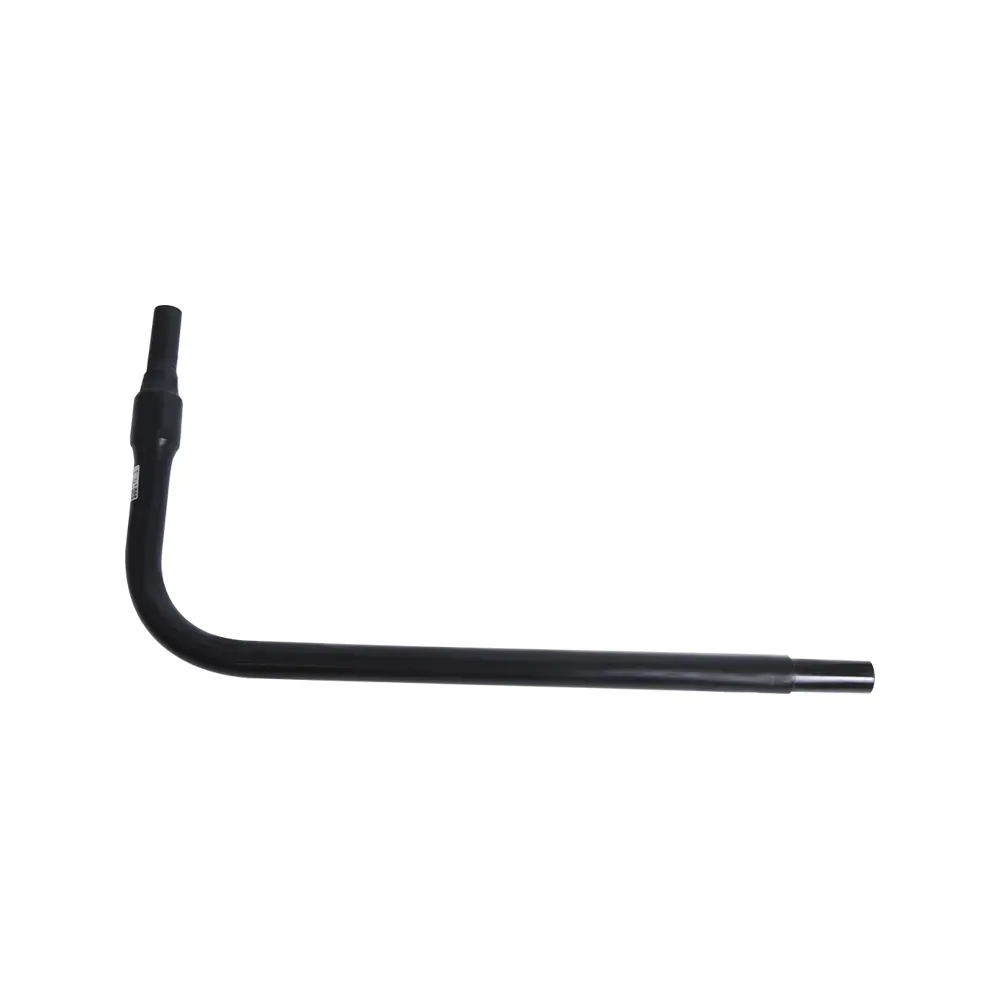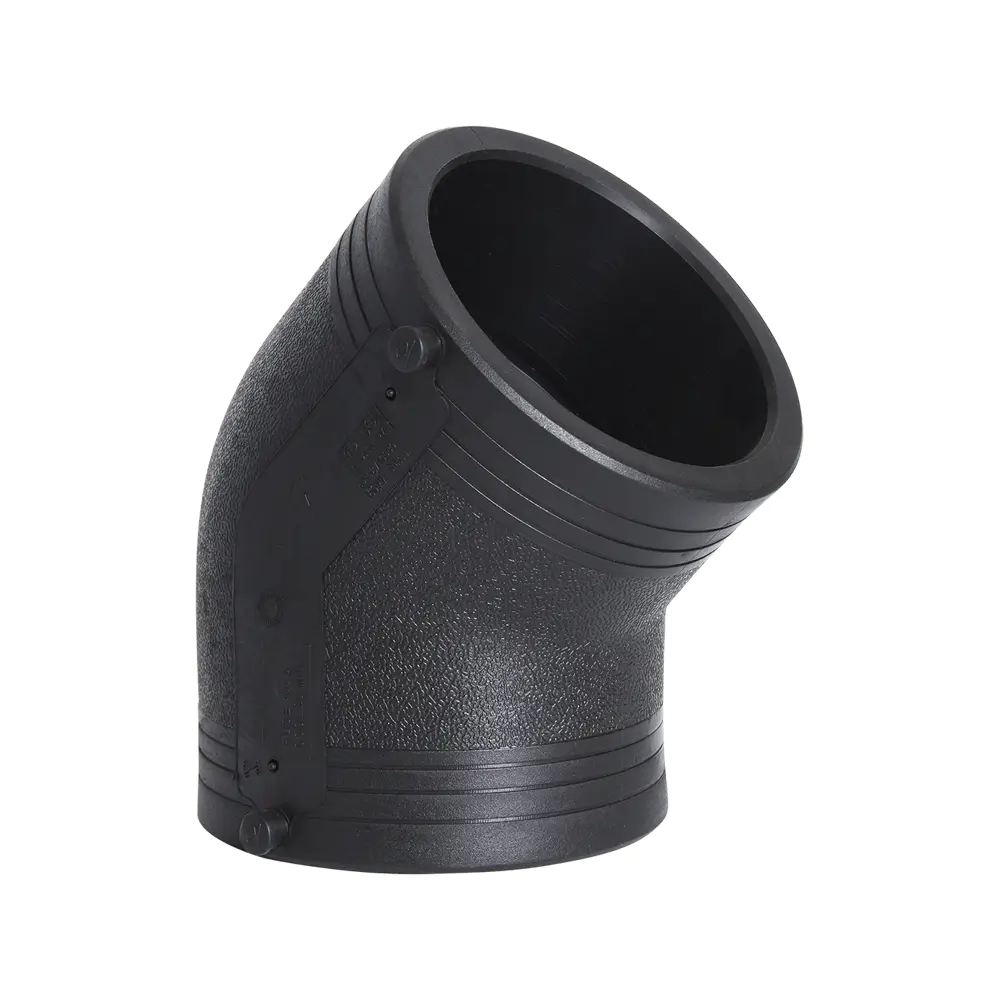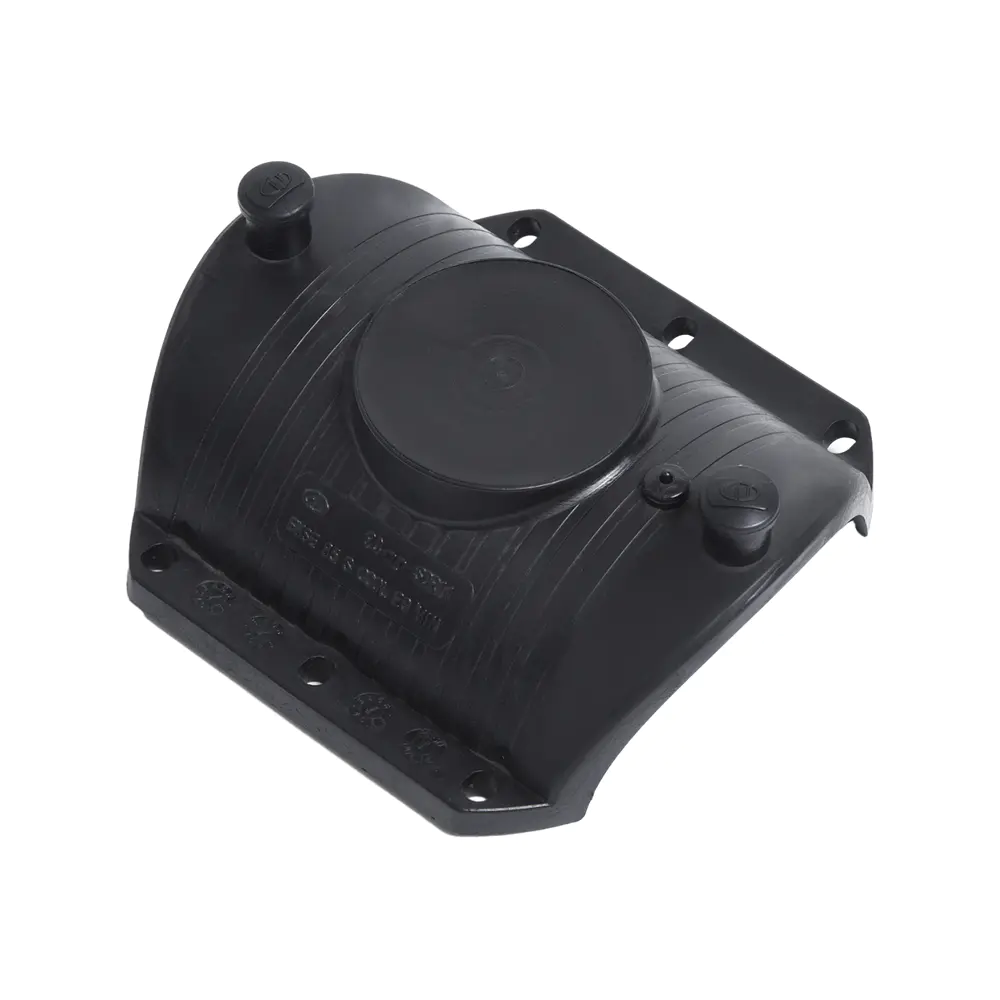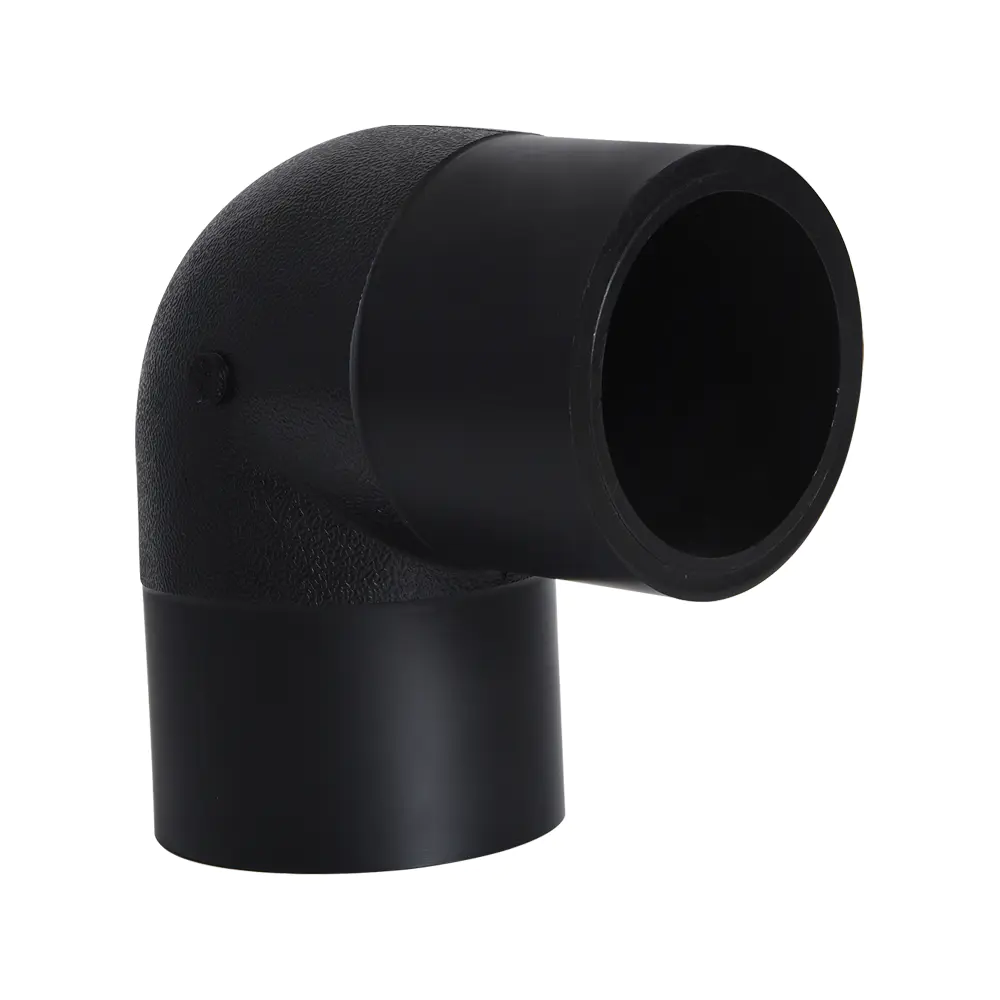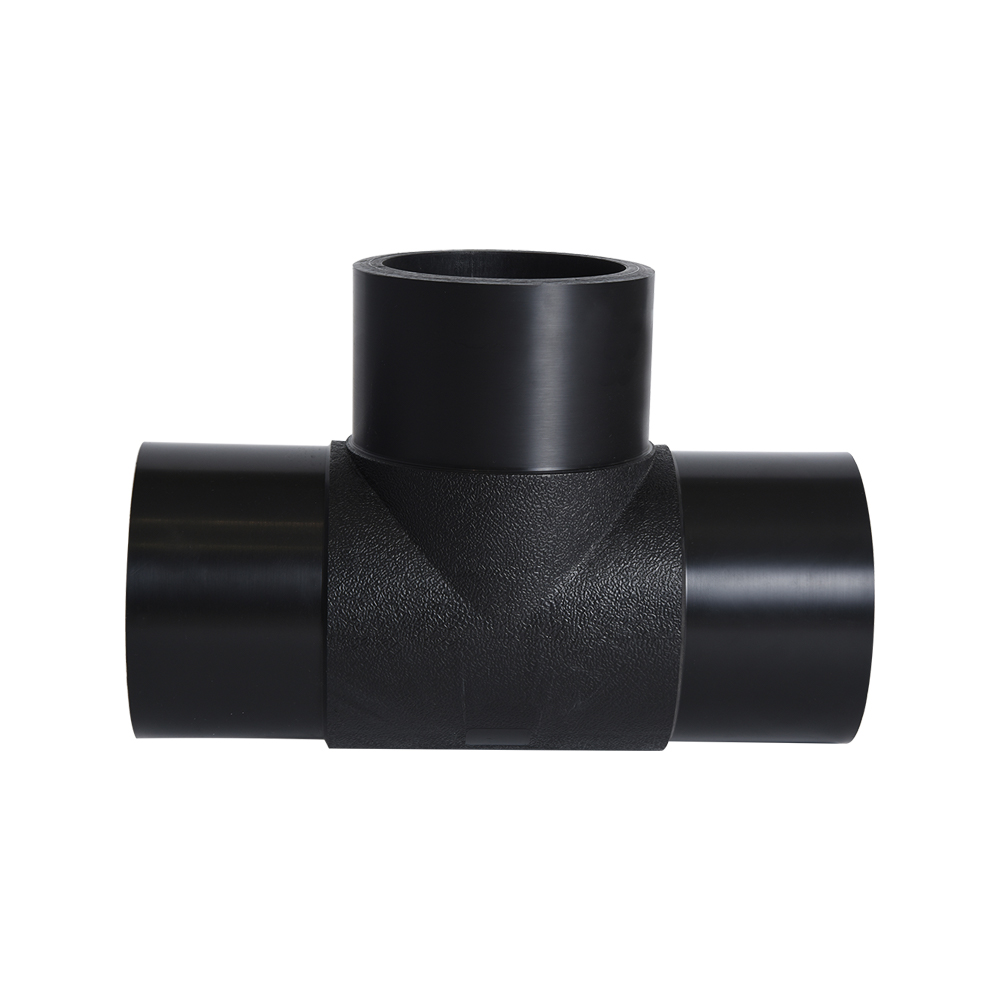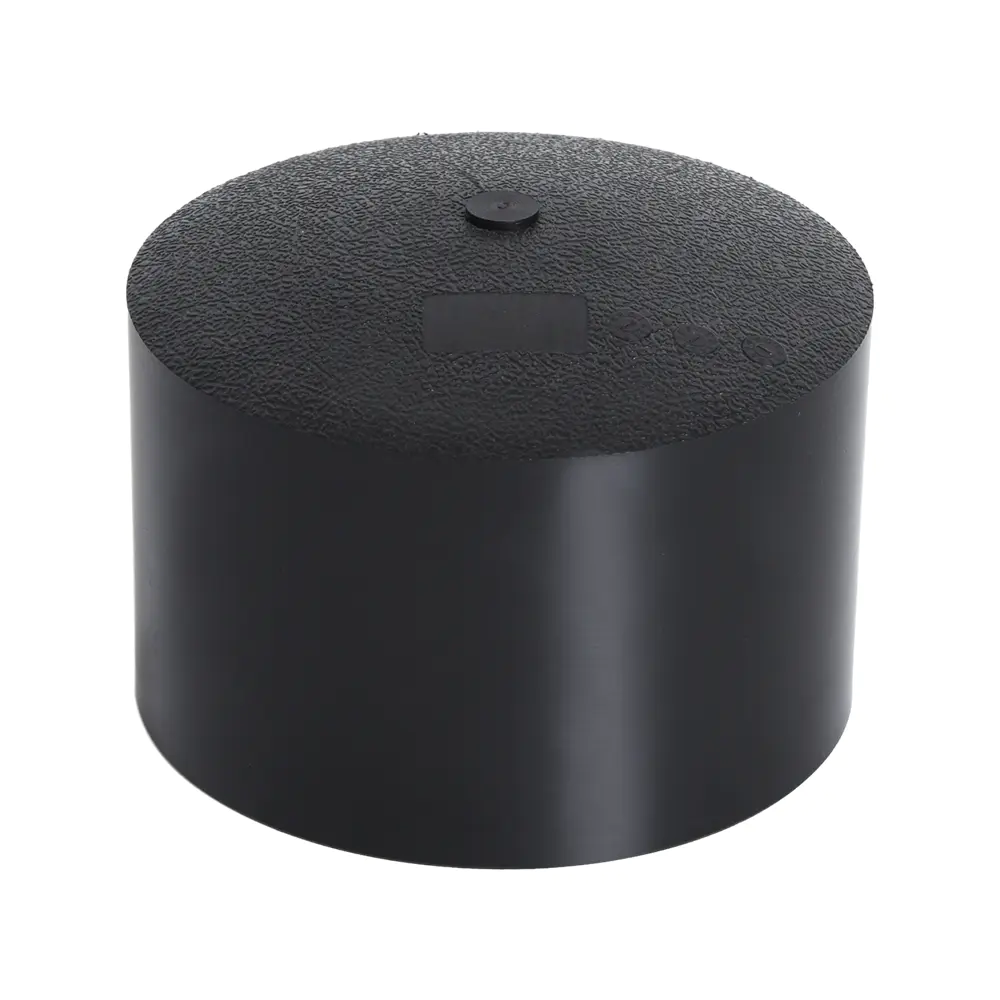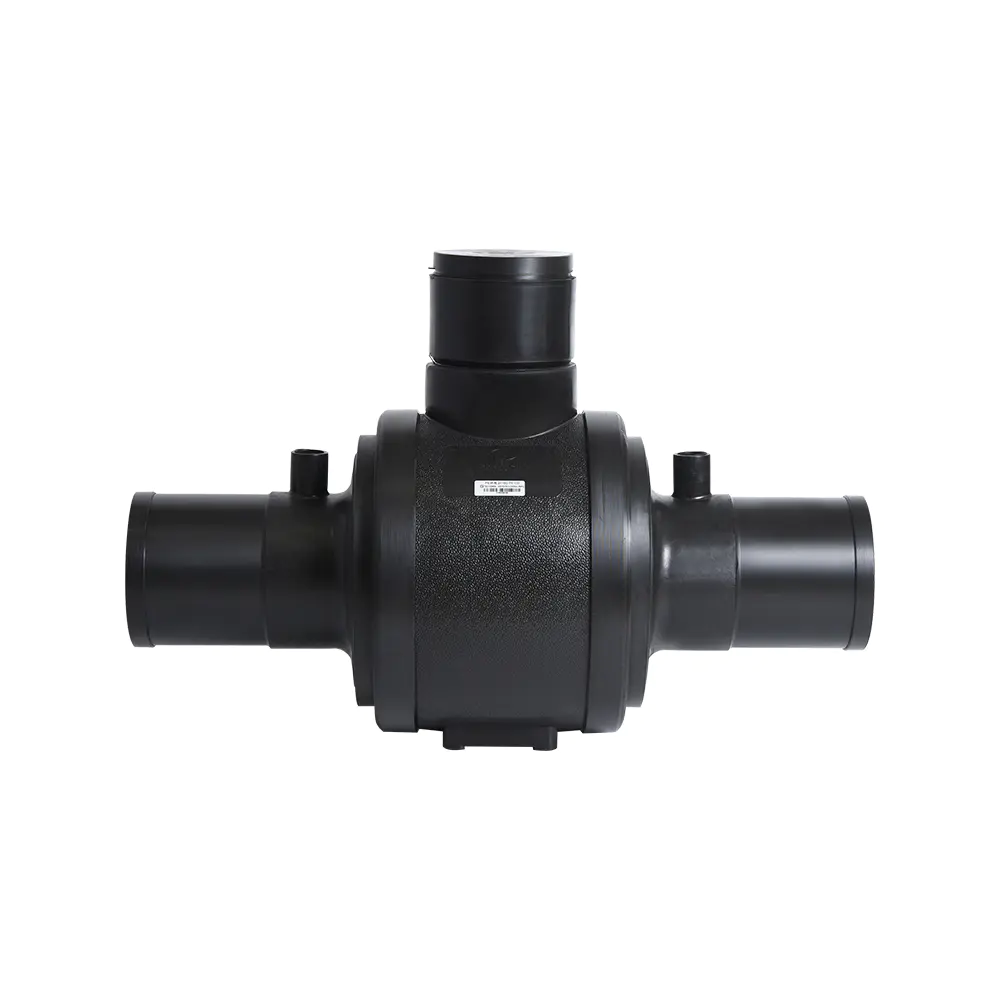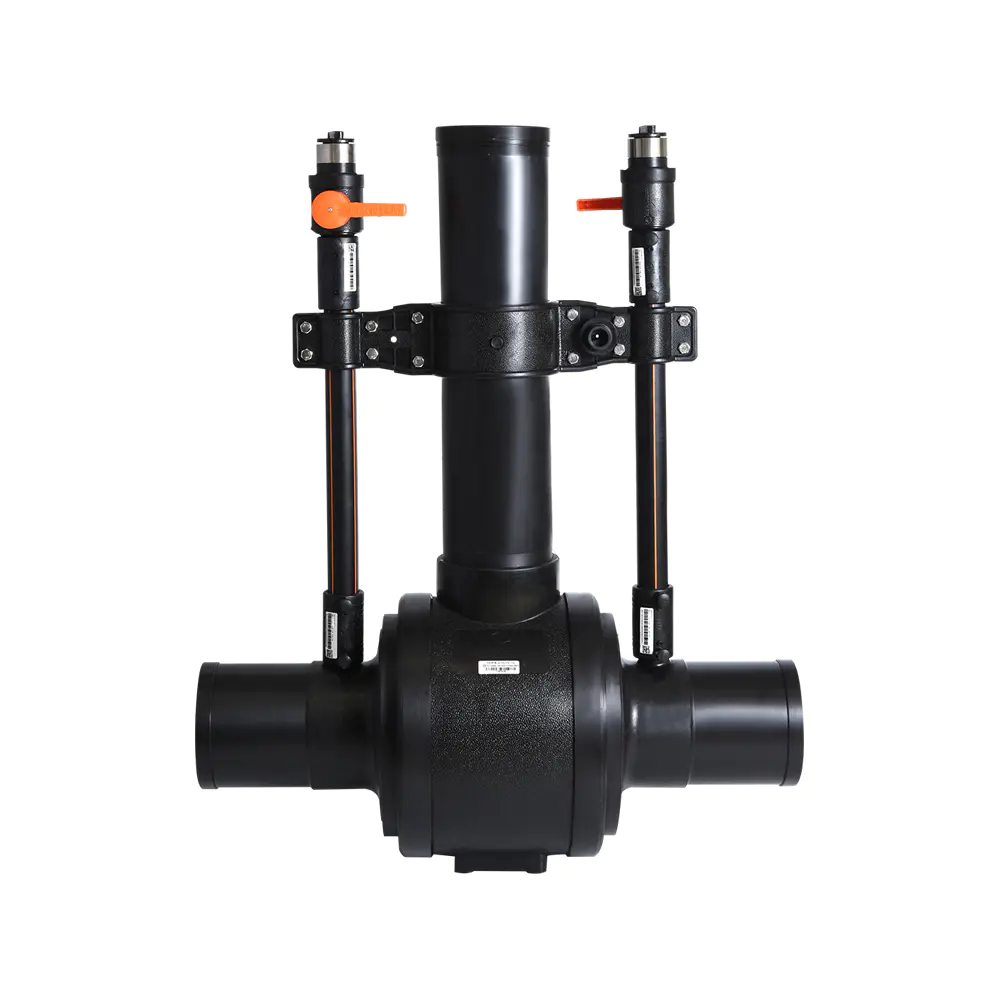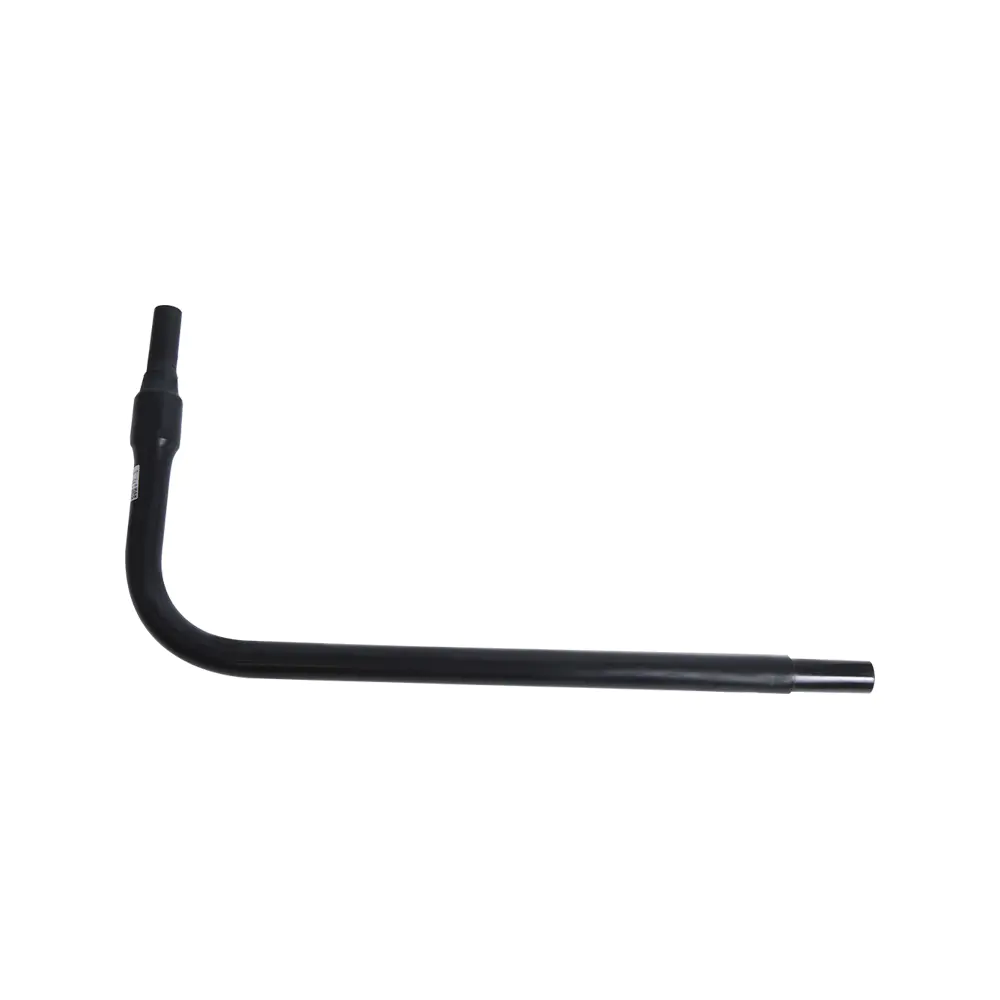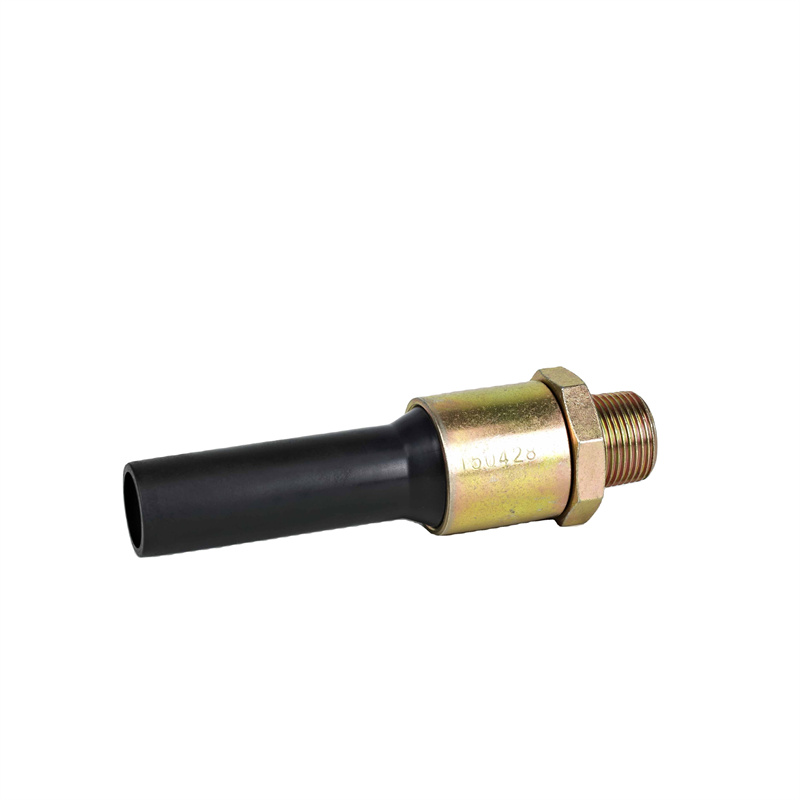
Material: HDPE/ MDPE
Color: Black
For Natural gas and Water supply GB/ EN/ ANSI/ ASTM/ ISO/ ASNZS/ DIN
Standards Dimension: DN20mm- DN630mm, 1/4"- 24" SDR11/ SDR13.6/ SDR17/ SDR21/ SDR26 etc.
In municipal and industrial polyethylene (PE) pressure piping projects, the successful installation of an Elec...
READ MOREIn the construction of municipal gas and water networks, the Electrofusion Reducer is a critical component use...
READ MOREElectrofusion tees are widely used for pipeline connections, especially for plastic pipes such as polyethylene...
READ MOREIn the field of pipeline connections, both electrofusion tees and traditional welded tees are commonly used. W...
READ MOREButt Fusion Flange Adapters are commonly used fittings in HDPE piping systems. They are connected to pipes usi...
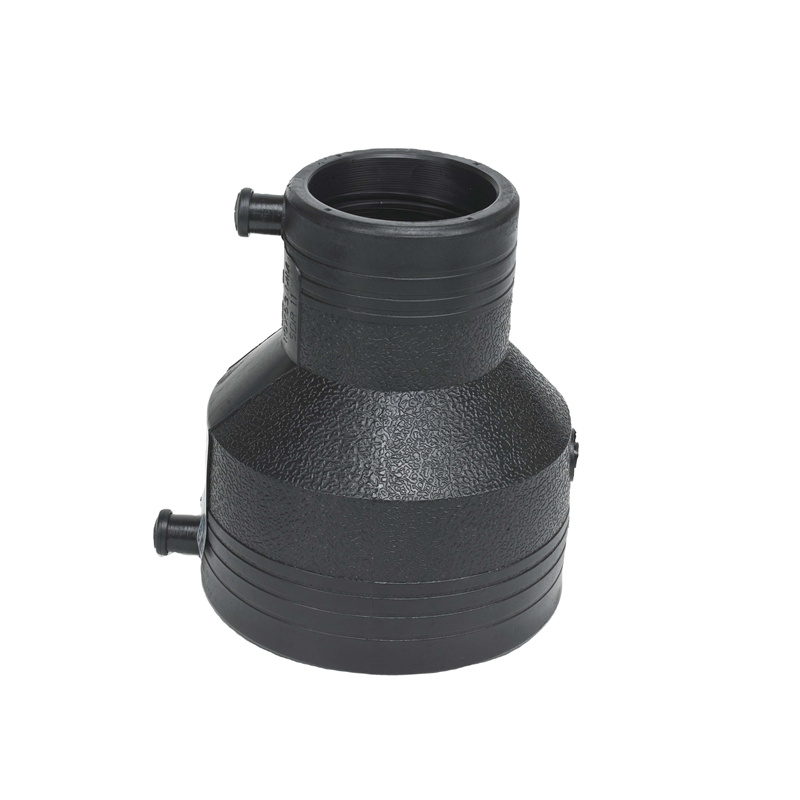
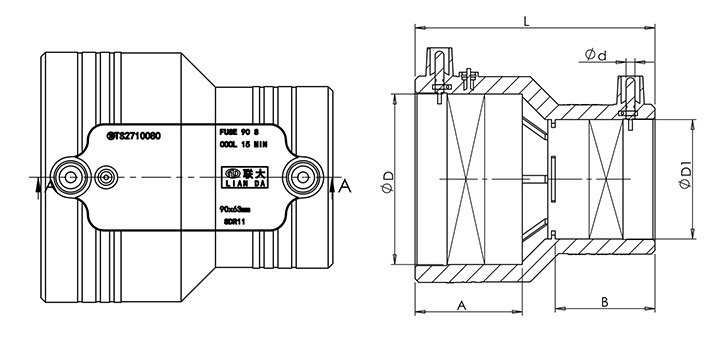
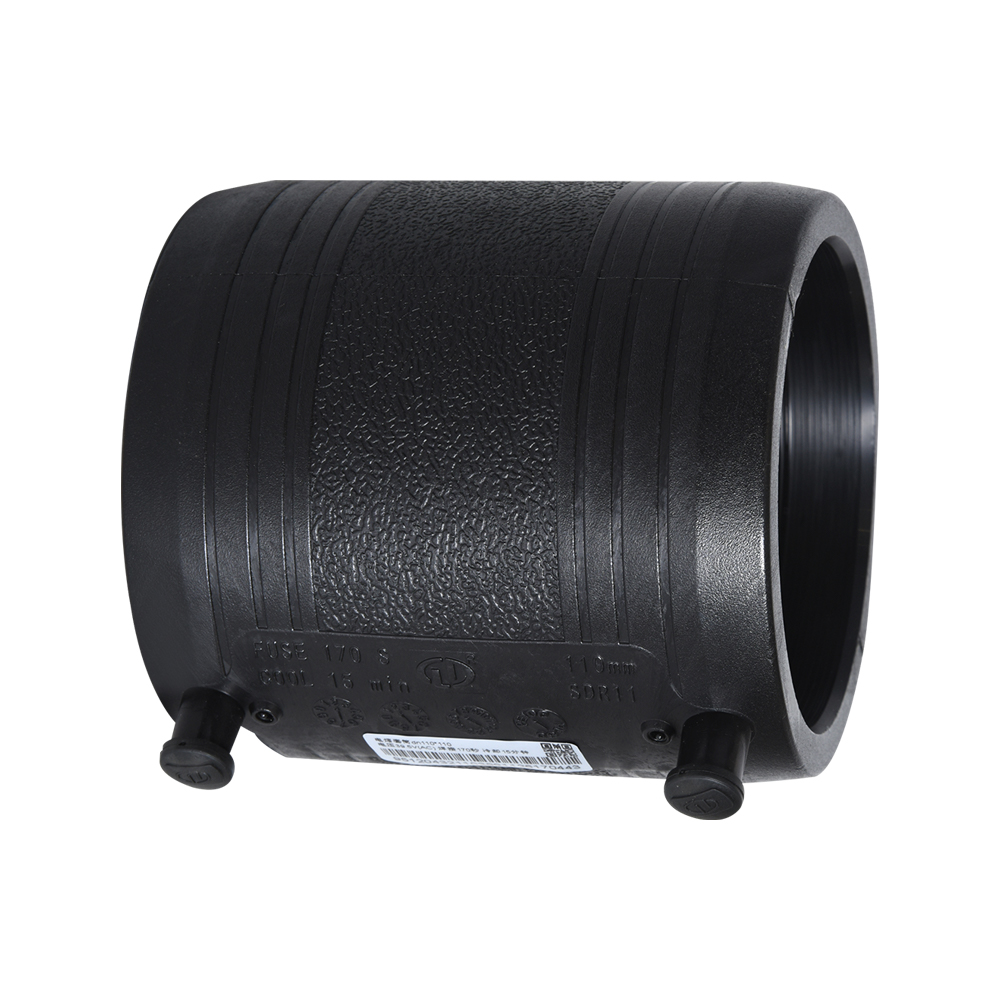
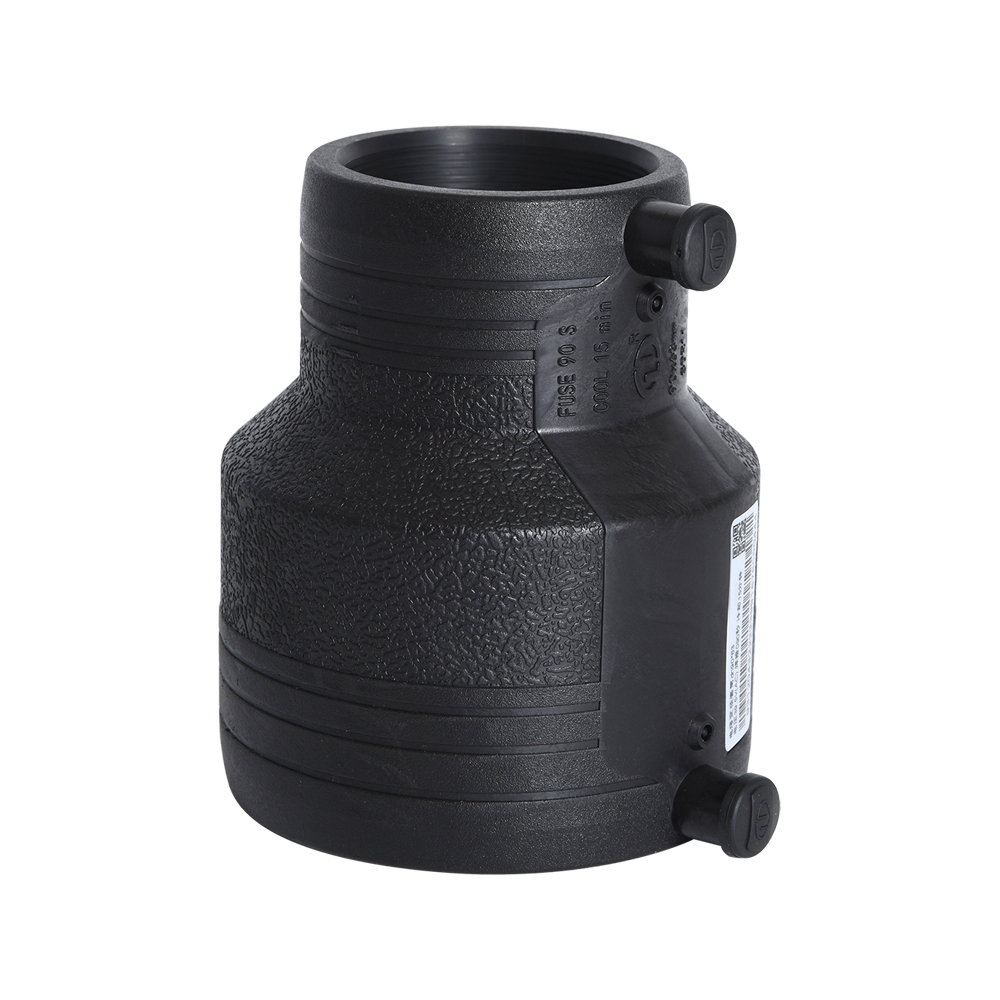
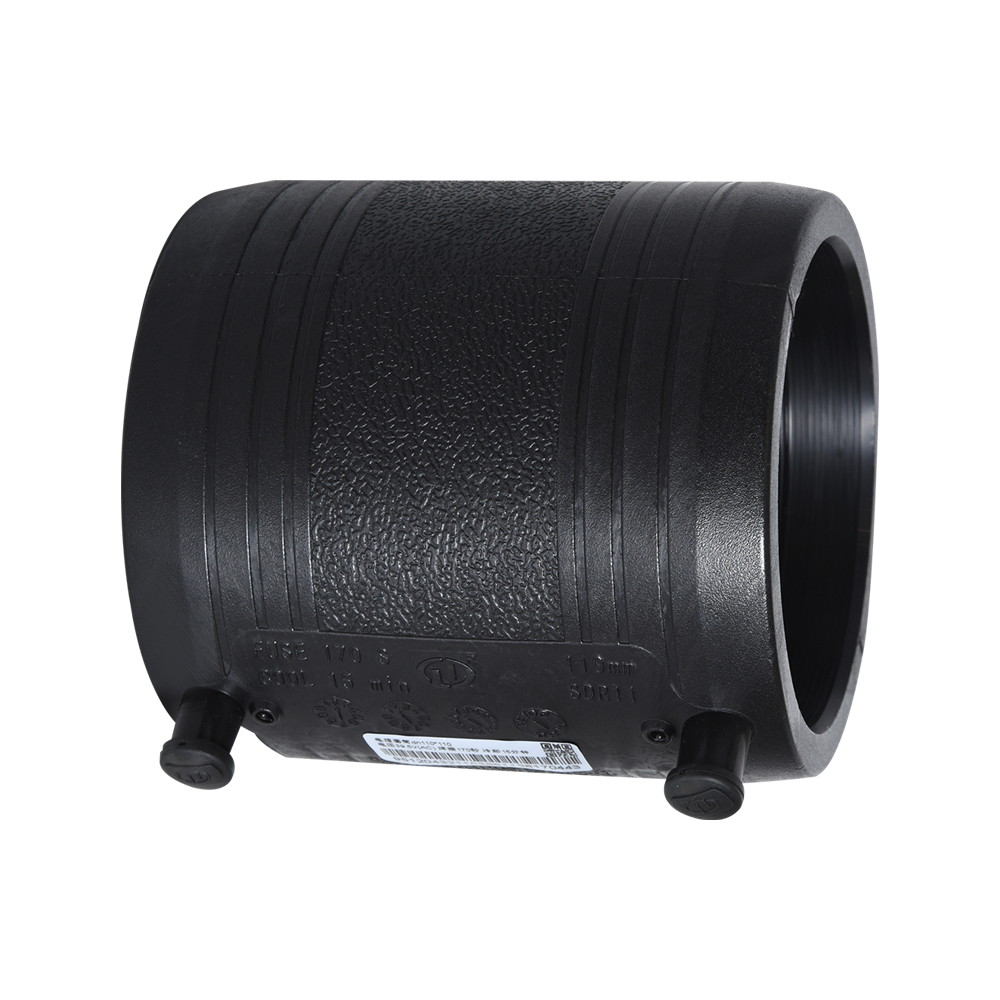
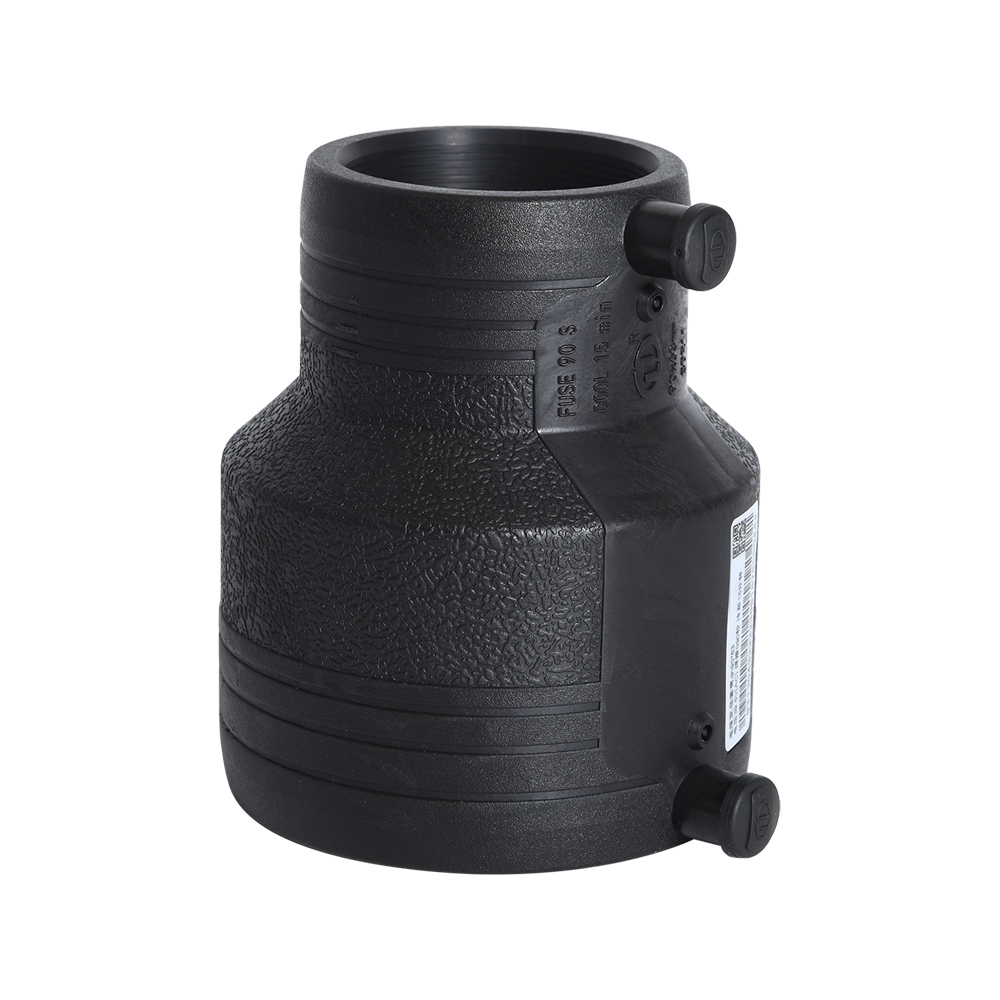
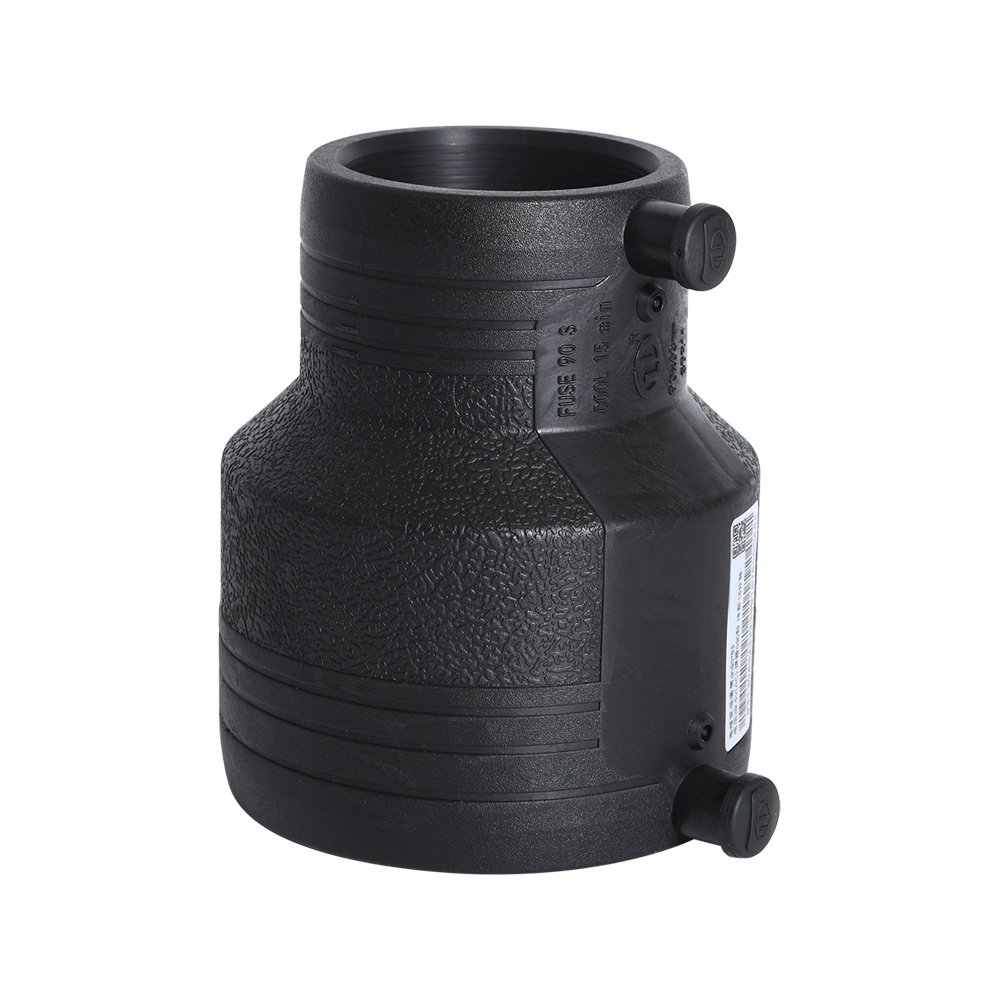
READ MOREAn electrofusion reducer is a critical engineering component used in the construction and maintenance of high-density polyethylene (HDPE) piping systems. Its primary function is to connect two pipes of different diameters, allowing for a seamless transition in the pipeline. Unlike traditional mechanical joints that rely on gaskets or threads, the electrofusion reducer utilizes an advanced thermal fusion process. This fitting contains an integrated electrical heating element, usually in the form of a copper or alloy coil, which is embedded into the inner surface of the fitting. When an electrical current is applied through these coils via an electrofusion welding machine, the plastic material of both the fitting and the pipe melts and fuses together. Ningbo Lianda Plastic Pipe Co., Ltd. has mastered the manufacturing of these components, ensuring that the heating coils are placed with high precision to provide uniform heat distribution across the fusion zone. This creates a joint that is as strong as, or even stronger than, the pipe itself.
In any large-scale fluid transport network, the volume and pressure requirements often change as the line progresses from the main supply to individual branch lines. The electrofusion reducer serves as the bridge between these different scales. Its function is not merely to connect pipes but to manage the hydraulic transitions within the system. For instance, in water distribution, a reducer might be used to transition from a large transmission main (such as Dn315) down to a local distribution line (such as Dn110). In gas pipelines, the reducer ensures that the transition between different pressure zones is handled without any risk of gas leakage. Ningbo Lianda Plastic Pipe Co., Ltd. offers a massive range of these fittings, covering over 1000 varieties and specifications of Dn20-Dn630, making it possible to find the exact fitting for any system configuration. The smooth internal taper of a high-quality electrofusion reducer minimizes turbulence and friction loss, which is essential for maintaining the efficiency of pumps and compressors within the network.
The performance of an electrofusion reducer is heavily dependent on the quality of the raw materials used. The industry standard is High-Density Polyethylene (HDPE), specifically PE100 and PE80 grades. PE100 is preferred for high-pressure applications due to its superior Minimum Required Strength (MRS). Ningbo Lianda Plastic Pipe Co., Ltd. utilizes high-grade PE materials to ensure their fittings can withstand long-term hydrostatic stress and environmental factors. Some specialized applications might also utilize Polypropylene (PP) for chemical resistance at higher temperatures.
| Parameter | PE80 Material | PE100 Material |
| Minimum Required Strength (MRS) | 8.0 MPa | 10.0 MPa |
| Density at 23 Degrees Celsius | ~940 kg/m3 | ~959 kg/m3 |
| Slow Crack Growth Resistance | Good | Excellent |
| Hydrostatic Strength (20C) | 8.0 MPa for 50 years | 10.0 MPa for 50 years |
The core advantage of using an electrofusion reducer is the molecular bond it creates. During the electrofusion welding process, the polymer chains of the pipe and the fitting intermingle and reform as a single, homogenous unit. This eliminates the "joint" as a point of mechanical failure. Because Ningbo Lianda Plastic Pipe Co., Ltd. focuses on precision engineering, the heat output is carefully controlled to prevent under-fusion or over-melting, ensuring that every connection is structurally sound and capable of withstanding significant longitudinal and radial forces.
For utility providers, "unaccounted for water" or gas leaks are major financial and safety liabilities. The electrofusion reducer provides a hermetic seal that is far superior to mechanical couplers. Because the plastic is fused together, there are no gaskets to perish or bolts to loosen over time. This makes these fittings the ideal choice for gas pipelines where even a microscopic leak could be catastrophic. Ningbo Lianda Plastic Pipe Co., Ltd.'s complete set of PE gas pipe fittings are specifically designed to meet the rigorous zero-leakage standards of the international gas industry.
The wall thickness and material composition of an electrofusion reducer are designed to match the Standard Dimension Ratio (SDR) of the pipes they join. Ningbo Lianda Plastic Pipe Co., Ltd. provides fittings rated for various pressure levels, including SDR 11 and SDR 17.
| SDR Rating | Nominal Pressure (Water) | Typical Application |
| SDR 11 | PN16 (16 Bar) | High-pressure water and gas mains |
| SDR 17 | PN10 (10 Bar) | Medium-pressure distribution lines |
| SDR 26 | PN6 (6 Bar) | Low-pressure drainage and gravity systems |
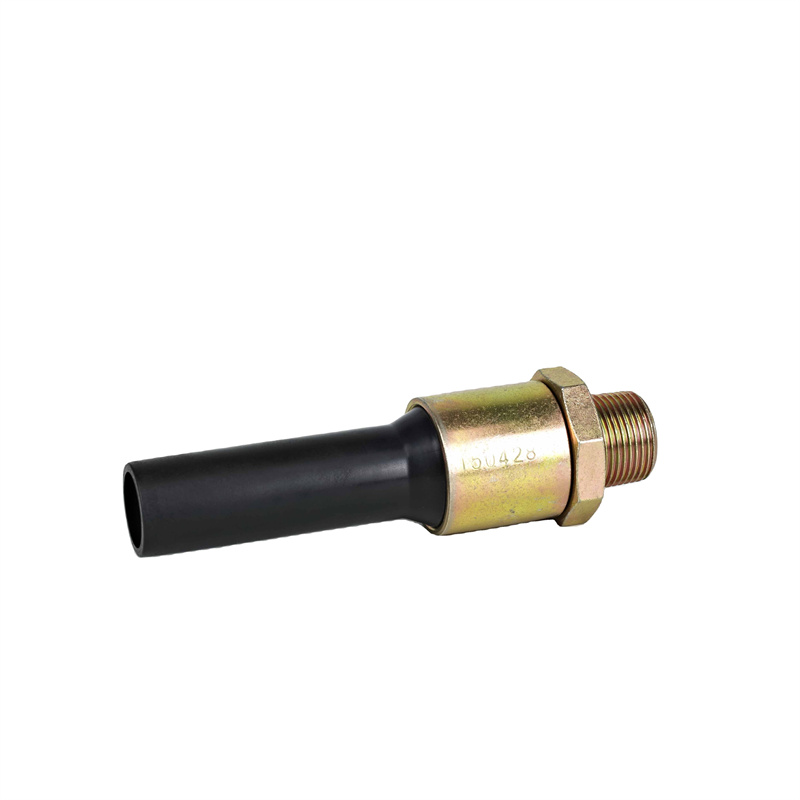
Metal pipes and fittings are prone to oxidation and galvanic corrosion, especially when buried in aggressive soils or used in industrial settings. HDPE fittings like the electrofusion reducer are completely immune to rust. They are resistant to a wide range of chemicals, including acids, alkalis, and salts. This chemical inertness ensures that the interior of the fitting remains smooth over its entire service life, preventing the buildup of scale or bio-film. Ningbo Lianda Plastic Pipe Co., Ltd. also offers specialized PE steel plastic conversion joints, including 3PE anti-corrosion variants, for applications where the system must interface with existing metal infrastructure.
An electrofusion reducer is an investment in the long-term stability of an infrastructure project. These fittings are designed to have a service life exceeding 50 years under normal operating conditions. The resistance of PE100 to slow crack growth and environmental stress cracking means that the system requires very little maintenance once installed. By utilizing the comprehensive range of fittings from Ningbo Lianda Plastic Pipe Co., Ltd., engineers can build networks that span from Dn20 to Dn630 with consistent durability throughout the entire size range.
Standard electrofusion reducers are the most commonly used fittings for transitioning between two different pipe diameters in a straight line. They are typically concentric, meaning the center point of both diameters is aligned. These are essential for reducing the flow volume in a controlled manner as the pipeline moves from a main distribution hub toward end-user connection points.
A reducing coupler is a specialized fitting that serves two purposes: it acts as a coupling to join two pipes and as a reducer to change the size. These fittings are particularly useful in tight installation environments where there is not enough space for a separate coupler and a reducer. Each side of the coupler has its own set of terminals and heating coils, allowing for independent welding cycles for the two different pipe sizes. Ningbo Lianda Plastic Pipe Co., Ltd. has developed an extensive range of these to accommodate various diameter jumps.
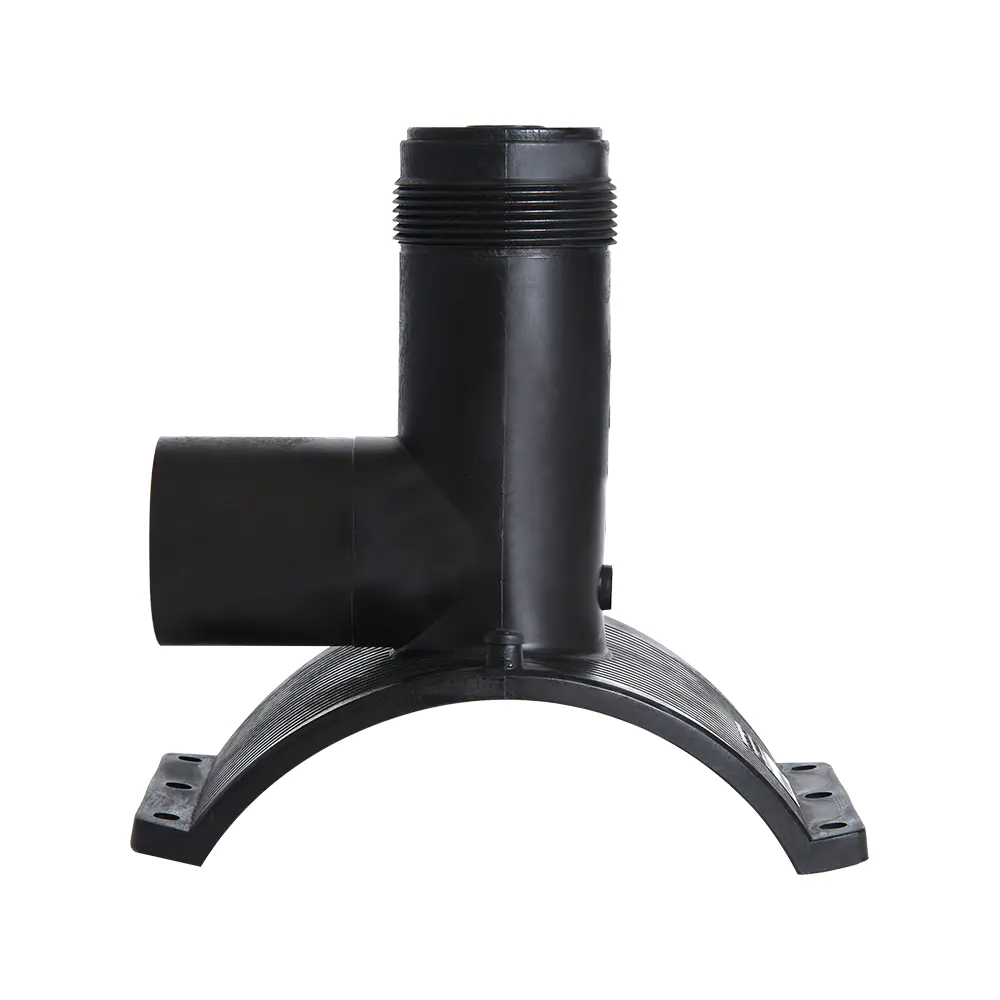
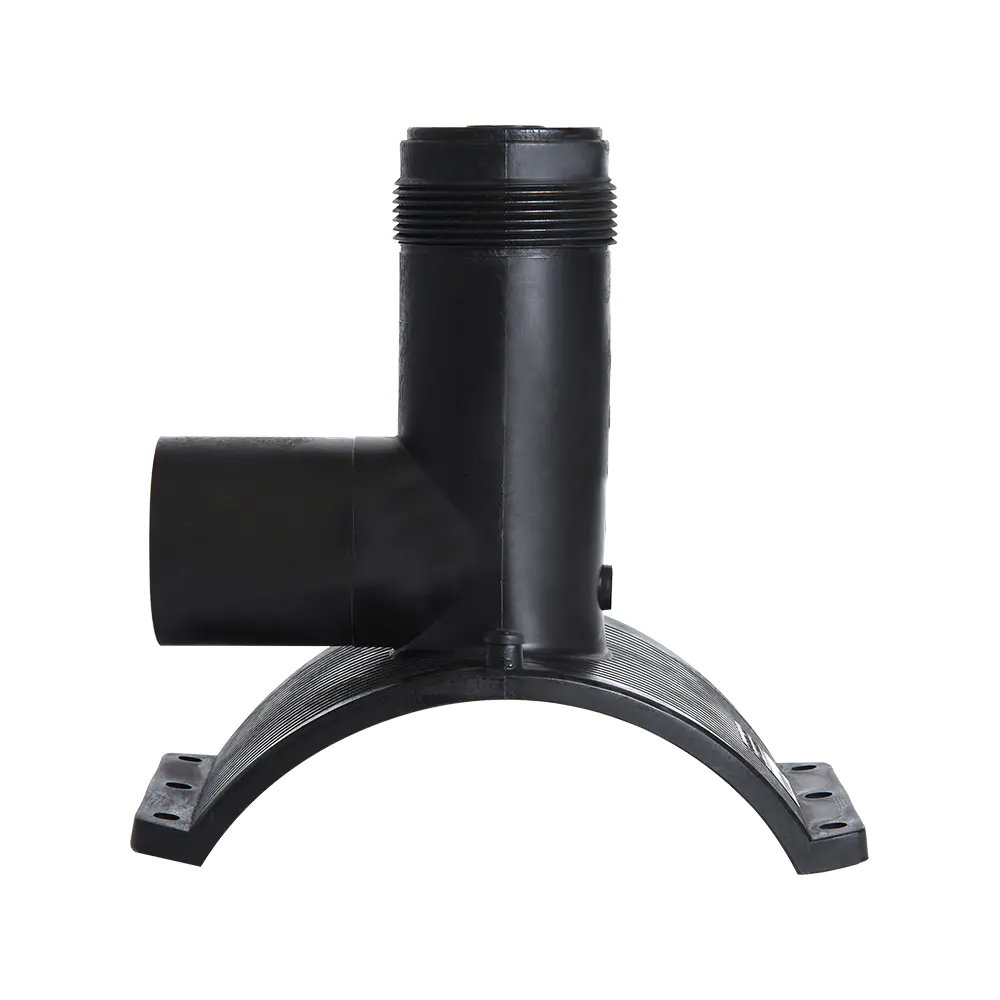
Branch reducers are used in T-junctions or manifold systems where a smaller pipe needs to "branch off" from a larger main line. While a standard tee can be used with a reducer, an integrated branch reducer provides a more compact and efficient solution. This reduces the number of fusion joints required, which in turn reduces the potential points of failure and installation time.
In some industrial and civil engineering projects, non-standard transitions are required. This includes eccentric reducers, which are used to maintain a level bottom or top in a horizontal pipe run (common in gravity-fed systems or where air pockets must be avoided). Ningbo Lianda Plastic Pipe Co., Ltd. caters to these specialized needs through their development of a complete set of PE fittings, including PE ball valves and specialized conversion joints. Their production capacity for Dn20-Dn630 ensures that even large-scale specialized industrial reducers are available for complex piping layouts.
In municipal water networks, electrofusion reducers are vital for maintaining system pressure. As water moves from the treatment plant through massive trunk mains, it must eventually be reduced to enter smaller residential or commercial service lines. The ability of these fittings to withstand "water hammer" and ground movement makes them superior to traditional mechanical joints in urban environments.
The gas pipelines sector is perhaps the most demanding application for electrofusion welding. Ningbo Lianda Plastic Pipe Co., Ltd. has successively developed a complete set of PE gas pipe fittings that are trusted globally. Because gas is compressible and potentially hazardous, the absolute seal provided by an electrofusion reducer is a mandatory safety requirement in many jurisdictions. Their products cover the full range from small residential meters up to large Dn630 transmission lines.
Chemical plants, manufacturing facilities, and food processing units use HDPE fittings to transport process fluids, cooling water, and waste. The electrofusion reducer allows these facilities to create custom piping configurations that are resistant to the corrosive nature of industrial effluents. Ningbo Lianda Plastic Pipe Co., Ltd.'s range of 1000 specifications ensures that industrial engineers can find the perfect fit for specialized factory layouts.
Wastewater management involves handling corrosive gases and fluids. Large-diameter electrofusion reducers are used in treatment facilities to manage the flow of sewage and treated water. The smooth internal bore prevents the accumulation of solids, which is a common problem in wastewater systems using mechanical or rough-surfaced fittings.
In the mining industry, pipes are used for dewatering, slurry transport, and chemical leaching. These systems are often temporary or subject to frequent reconfiguration. The ease of pipe joining using electrofusion makes it possible to quickly assemble and disassemble lines in rugged terrain. The high abrasion resistance of the PE material used by Ningbo Lianda Plastic Pipe Co., Ltd. ensures that the reducers can handle the flow of abrasive slurries without thinning or failing.
The foundation of a successful fusion joint is meticulous preparation. The pipe ends must be cut square using a proper pipe cutter to ensure they seat fully into the electrofusion reducer. The most critical step is the removal of the oxidation layer from the outer surface of the pipe. Ningbo Lianda Plastic Pipe Co., Ltd. recommends using a mechanical rotary scraping tool to remove a consistent layer (approximately 0.2mm to 0.3mm) from the entire fusion zone. After scraping, the pipe and the interior of the fitting must be cleaned with a high-purity isopropanol wipe to remove any dust, grease, or moisture.
To ensure the molten plastic does not flow out of the joint during the welding process, the pipes and the electrofusion reducer must be held in perfect alignment. An alignment clamp should be used to secure the pipes and prevent any bending stress or movement. This is especially important for larger pipe sizes like Dn630, where the weight of the pipe can cause misalignment. Marking the insertion depth on the pipe is essential to ensure the pipe is pushed fully into the fitting's "stop" point.
The welding leads from the electrofusion machine are connected to the terminals on the electrofusion reducer. Most modern fittings from Ningbo Lianda Plastic Pipe Co., Ltd. include a barcode that contains all the necessary welding parameters, including fusion time, voltage, and cooling time. The machine scans this barcode and automatically adjusts the energy output based on the ambient temperature. Once the cycle starts, the technician should monitor the machine to ensure no errors occur. Most reducers have visual melt indicators that pop up to confirm that the internal melt pressure has been achieved.
After the heating cycle is complete, the joint must remain in the clamps for the specified cooling time. This is the period when the molecular chains crystallize and the joint gains its full strength. Moving the pipe prematurely can result in internal voids or a weak bond. Once cooled, a visual inspection should be performed to ensure that the melt indicators have risen and that there is no sign of excessive melt-out or misalignment.
It is a technical requirement to ensure that the electrofusion reducer is compatible with the pipe material. Generally, PE100 fittings can be used with both PE100 and PE80 pipes, but the reverse is not always recommended for high-pressure systems. Ningbo Lianda Plastic Pipe Co., Ltd.'s fittings are manufactured to high standards that ensure broad compatibility across the industry's premium PE resins.
The selection process must take into account both the inlet and outlet diameters required for the project. With a range from Dn20-Dn630, Ningbo Lianda Plastic Pipe Co., Ltd. provides solutions for everything from micro-irrigation to massive municipal trunk lines. Designers must also consider the length of the fitting to ensure it can be accommodated within trench boxes or valve chambers.
The pressure rating of the electrofusion reducer must meet or exceed the maximum operating pressure of the pipeline. This is typically expressed as an SDR or PN rating. Using a fitting with a lower pressure rating than the pipe is a common error that must be avoided during the design phase.
Quality assurance is paramount in infrastructure. Fittings should comply with international standards such as EN 1555 for gas applications and ISO 4437 for water and gas. Ningbo Lianda Plastic Pipe Co., Ltd.'s commitment to quality is reflected in their adherence to these standards, ensuring their over 1000 varieties of fittings are safe for public use.
The most common cause of failure in electrofusion welding is "cold fusion" or a brittle joint, usually caused by inadequate scraping of the pipe's oxidation layer. If the oxide skin is not removed, the molecular bond cannot form. The solution is to strictly follow scraping protocols and use high-quality mechanical scrapers rather than hand tools for consistent results.
Leaks are often the result of contamination in the fusion zone. Dirt, moisture, or oils from hands can create paths for fluid to escape. To solve this, always use clean, lint-free wipes and avoid touching the prepared surfaces before the electrofusion reducer is positioned.
If the wrong welding parameters are entered or if there is a fault in the welding machine, the plastic can overheat and "char," which destroys the polymer structure. Using the barcode scanning system provided on all Ningbo Lianda Plastic Pipe Co., Ltd. fittings significantly reduces the risk of human error in setting the welding parameters.
Misalignment causes the heating coils to become unevenly spaced or pushed together, which can lead to a short circuit or an uneven melt. Using proper alignment clamps and ensuring the pipe is re-rounded if it has become oval during storage is the standard solution for this issue.
For above-ground installations, electrofusion reducers should be inspected for signs of UV degradation or physical impact damage. For buried lines, inspections are usually done via electronic leak detection or during periodic excavations. Ningbo Lianda Plastic Pipe Co., Ltd.'s fittings are designed for high resistance to environmental stress, but visual checks are still a part of a sound asset management plan.
Upon completion of a new section of pipeline, a hydrostatic pressure test is standard practice. The line is pressurized to 1.5 times its working pressure to ensure that the electrofusion welding on every reducer and coupler is perfect. Any failure during this test typically points to a preparation error during installation.
If an electrofusion reducer is damaged or a leak is detected, the standard repair procedure is to cut out the fitting and a section of the pipe, then install a new reducer using additional electrofusion couplers. Ningbo Lianda Plastic Pipe Co., Ltd.'s PE steel plastic conversion joints are also useful in repairs where a transition to a different material or a new valve assembly is required.
Yes, provided the pipe and the fitting are both made from standard PE80 or PE100 resins and have compatible SDR ratings. Ningbo Lianda Plastic Pipe Co., Ltd. products are designed to be highly compatible with standard HDPE pipes used globally.
A concentric reducer is symmetrical and looks like a funnel, while an eccentric reducer has one flat side. In most pipe joining applications involving electrofusion, concentric reducers are used. Eccentric versions are typically reserved for specialized drainage or industrial pump inlet applications.
The barcode provides the welding machine with the exact energy requirements for that specific electrofusion reducer. It accounts for the size, material, and coil resistance, ensuring a perfect weld every time without manual input.
Yes, the company has developed a complete set of PE gas pipe fittings. Their range includes electric melting pipe fittings, hot melting pipe fittings, PE ball valves, and PE steel plastic conversion joints (including 3PE anti-corrosion variants), covering over 1000 specifications from Dn20 to Dn630.
The actual heating time for an electrofusion reducer can range from a few minutes for small diameters (like Dn20) to over 20 minutes for large-scale fittings (like Dn630). However, the cooling time is equally important and must be strictly followed as per the barcode instructions.