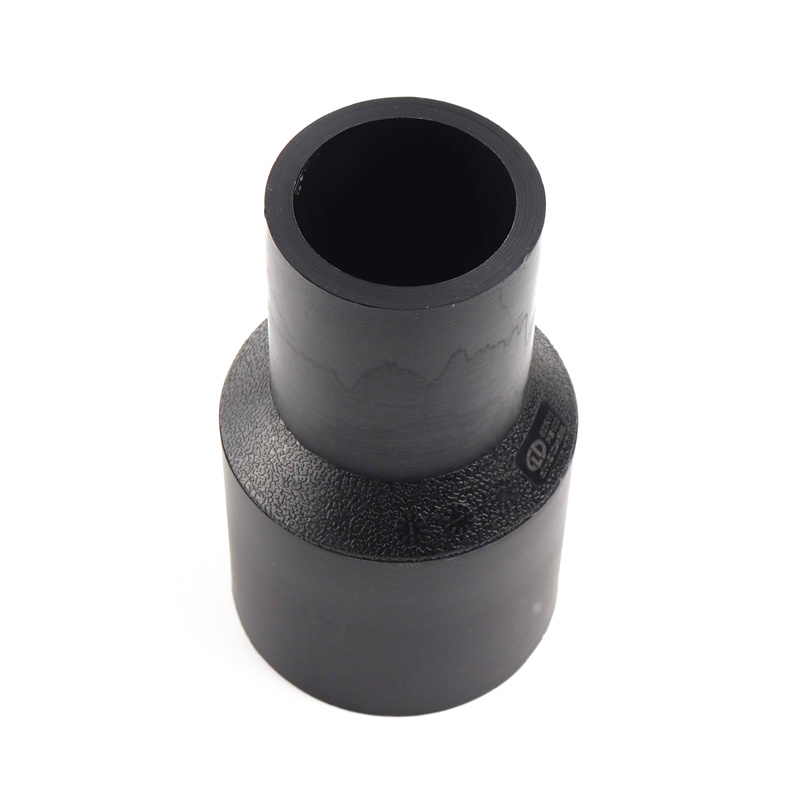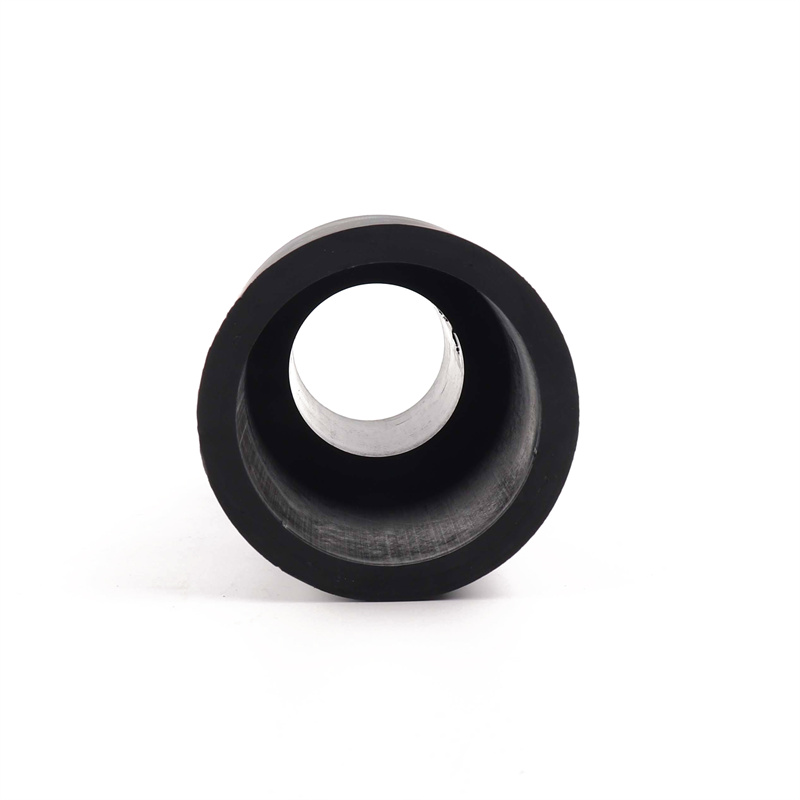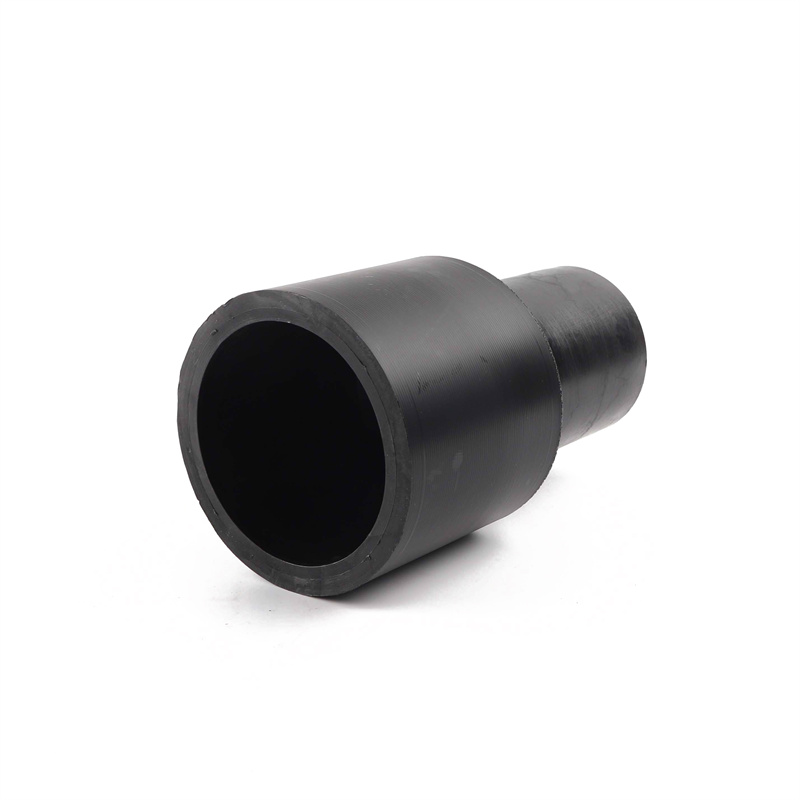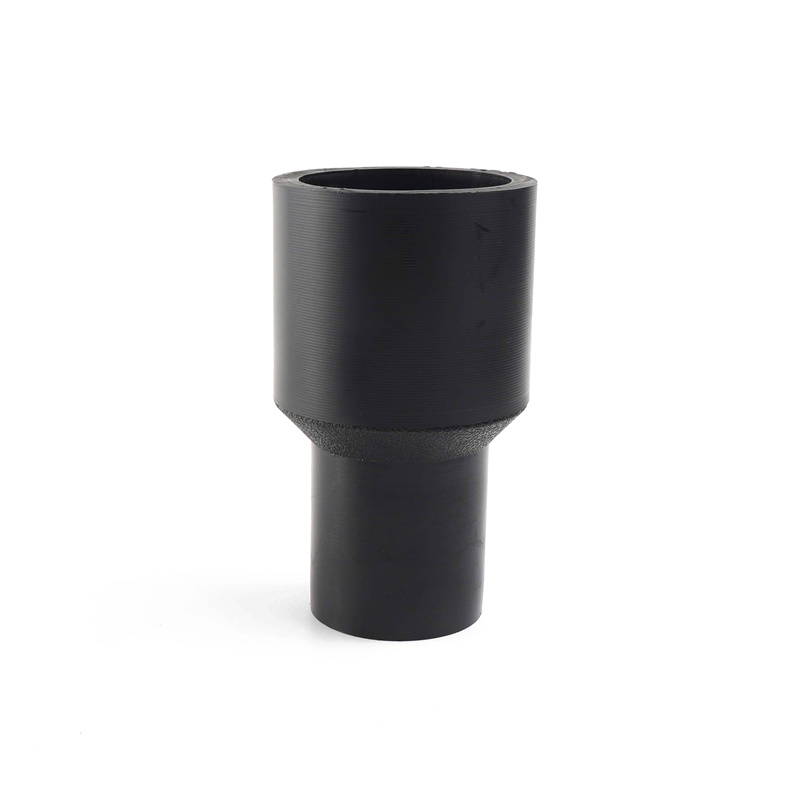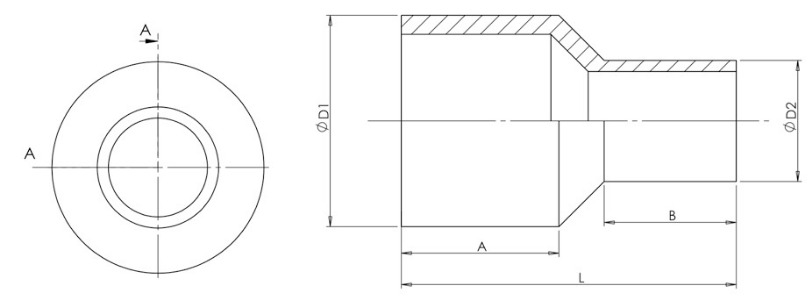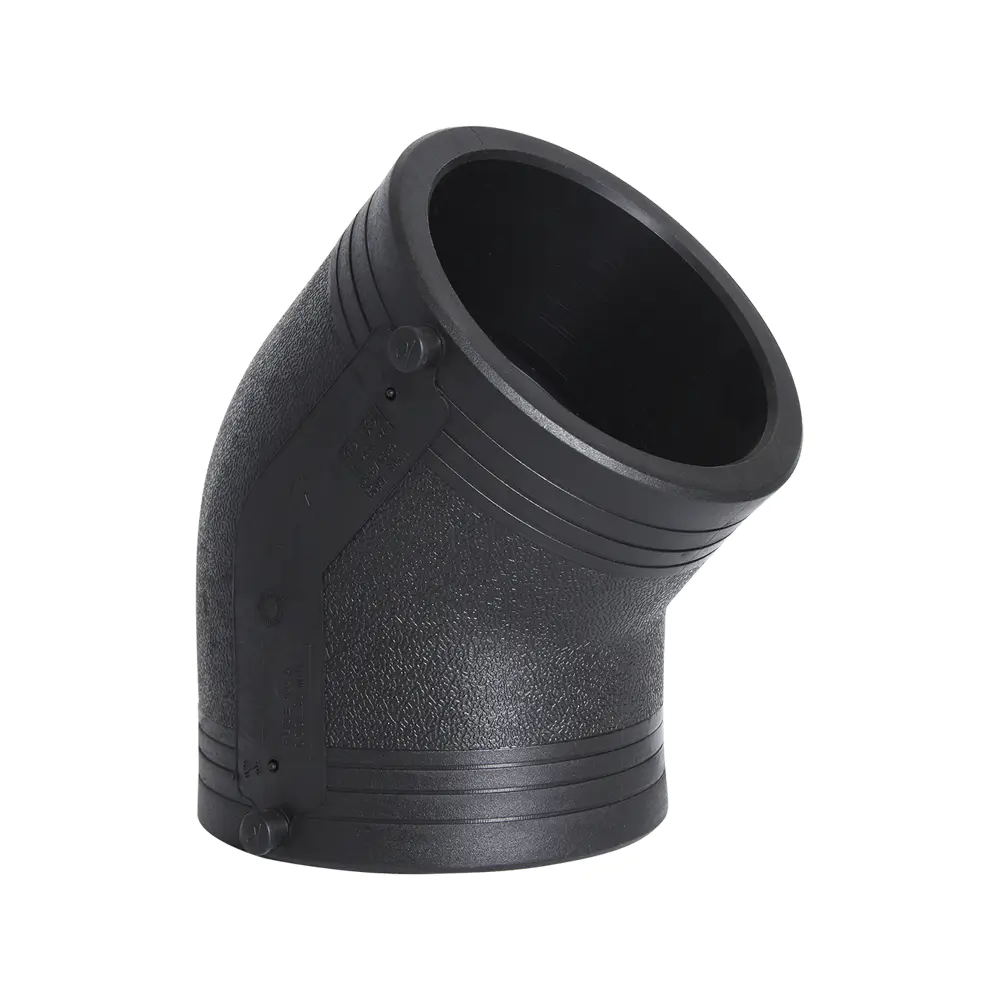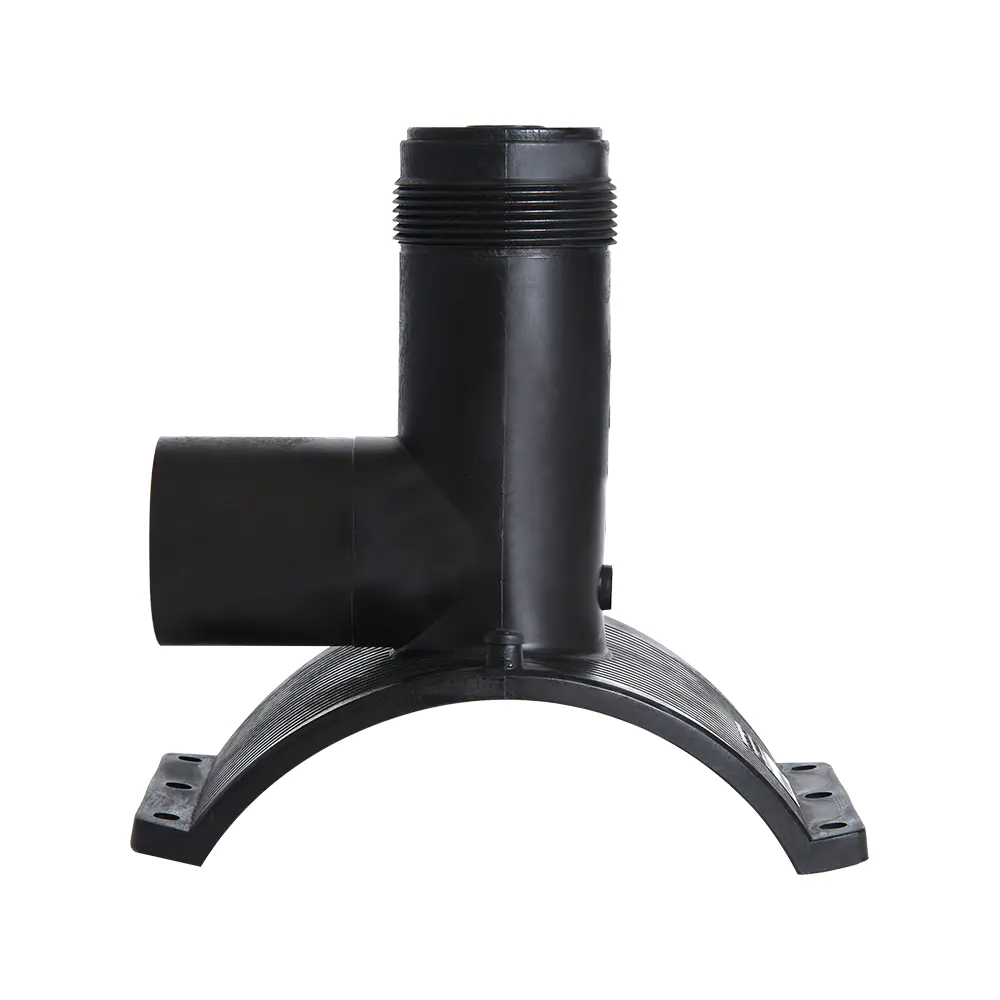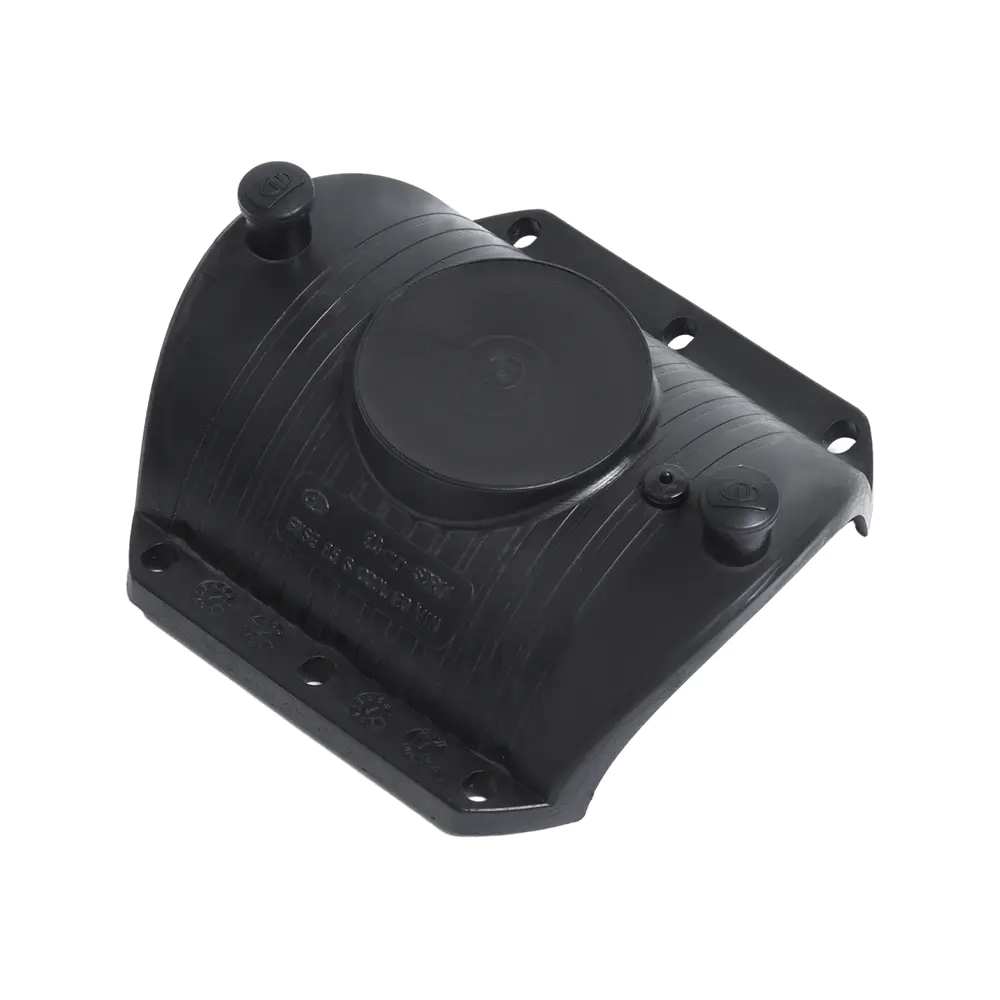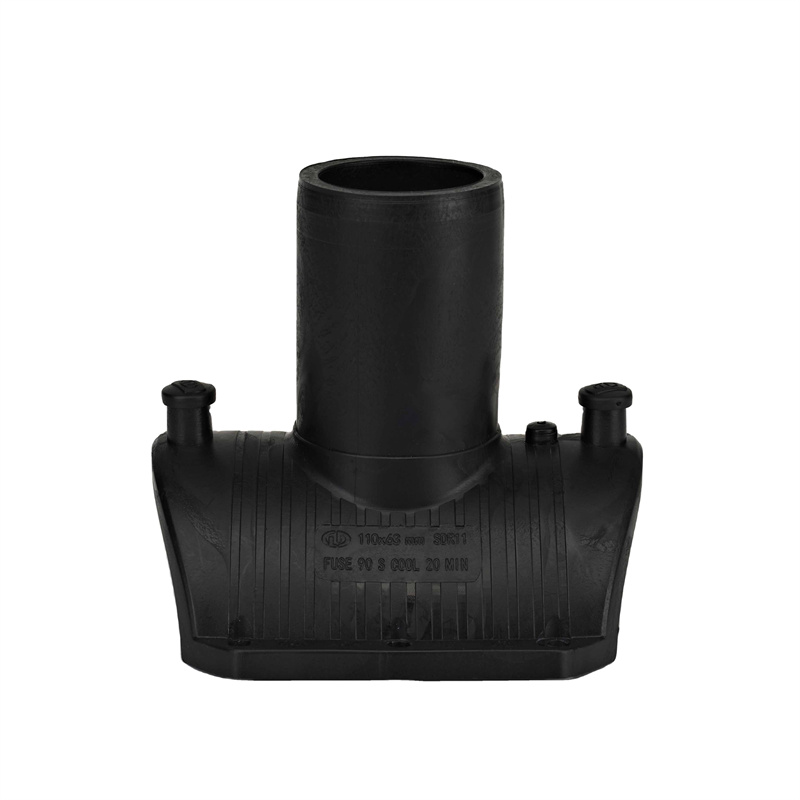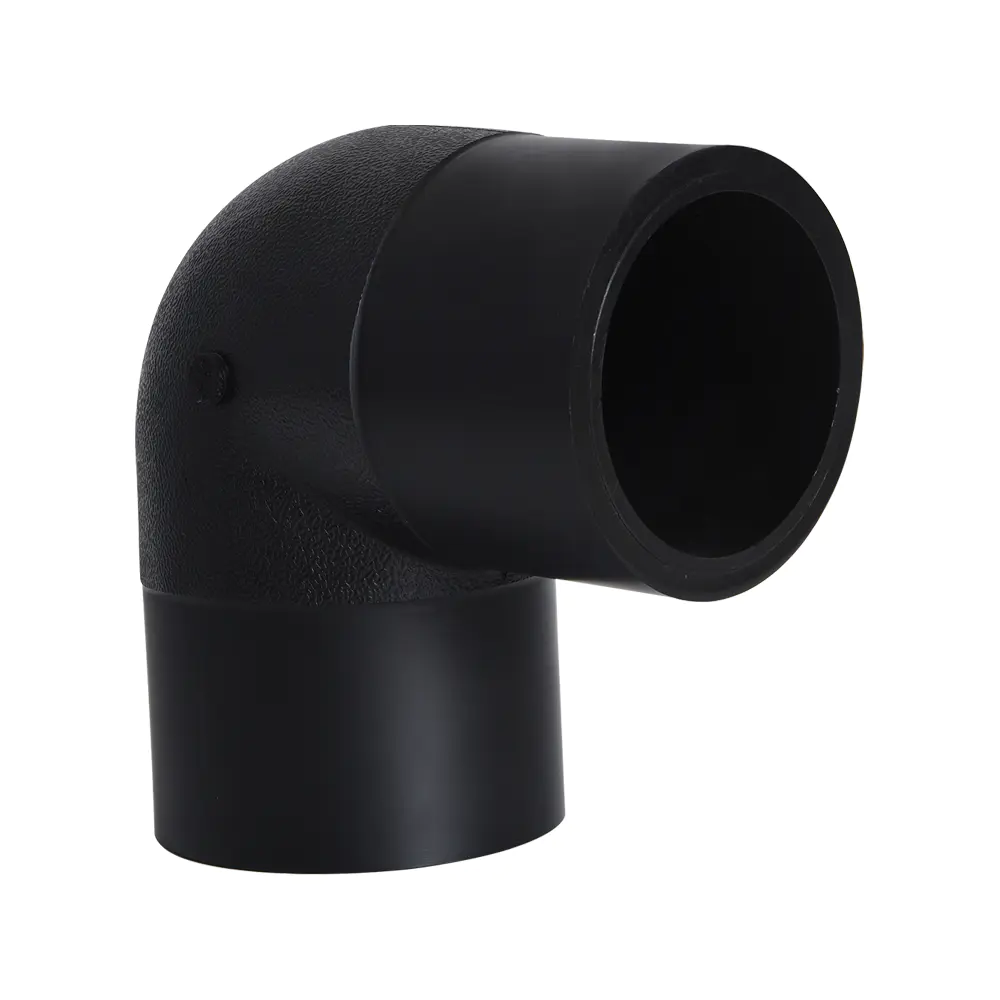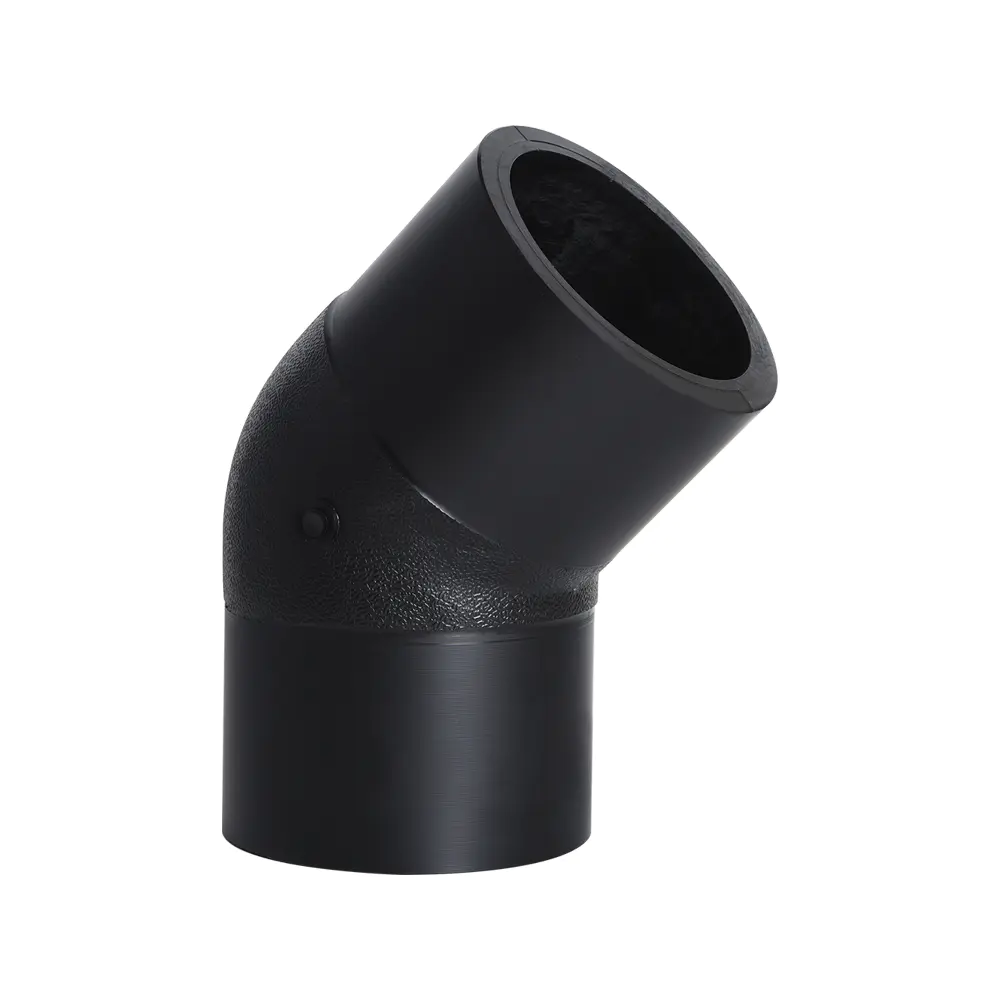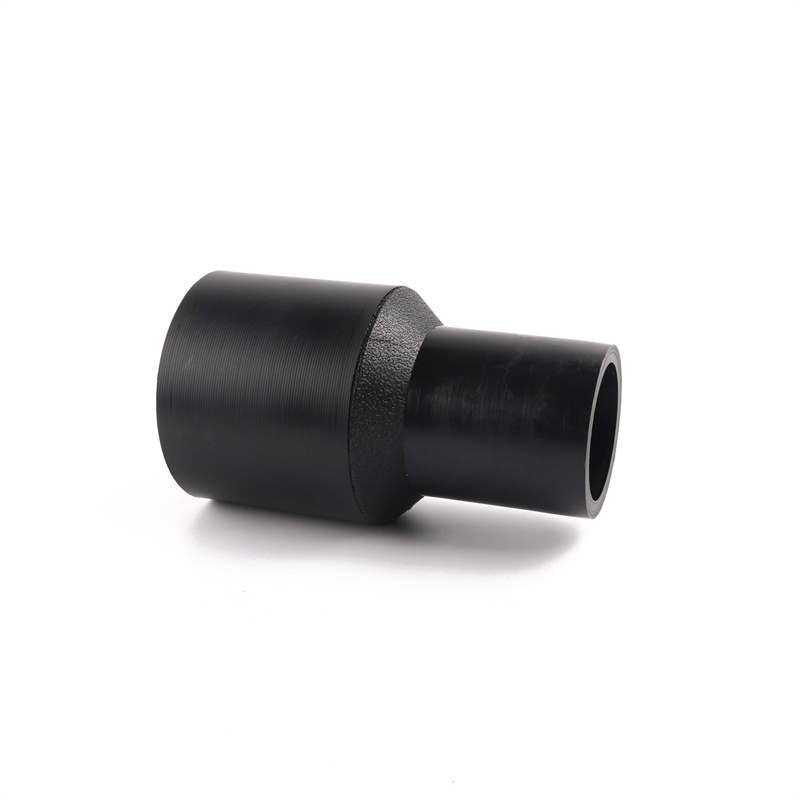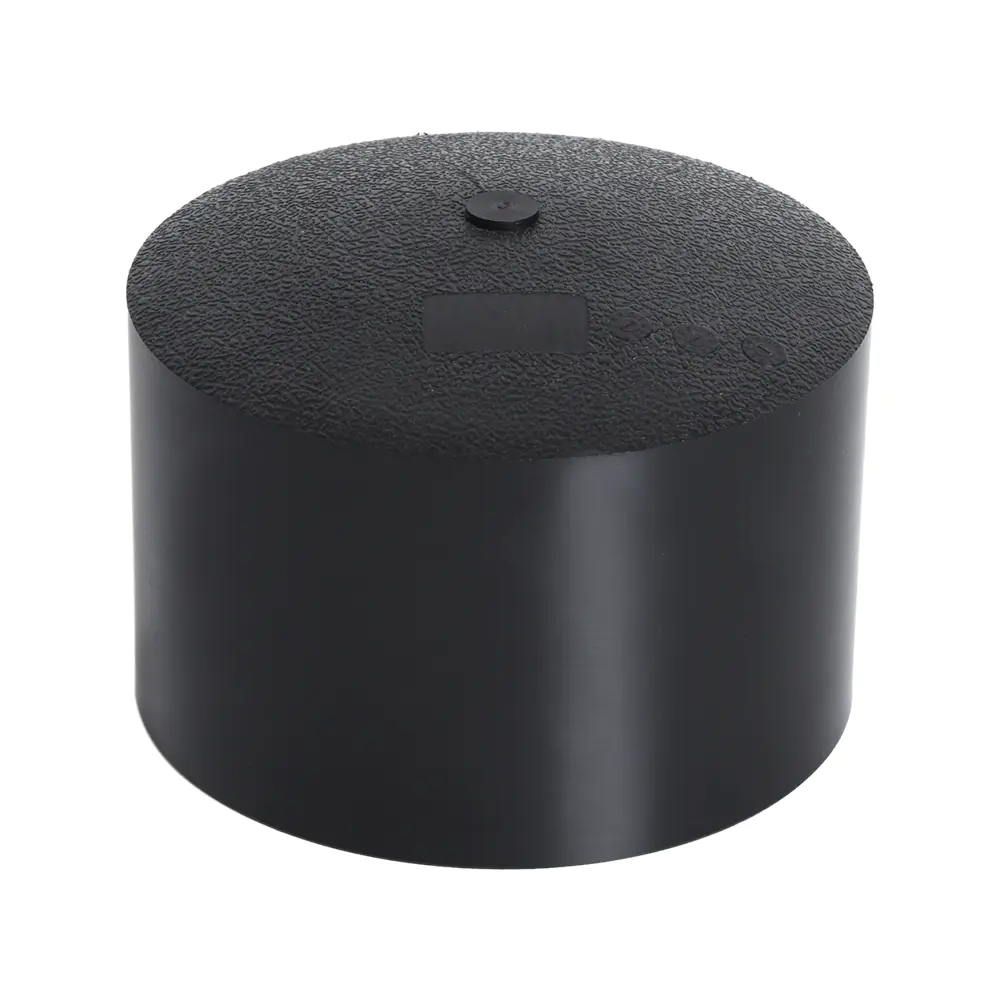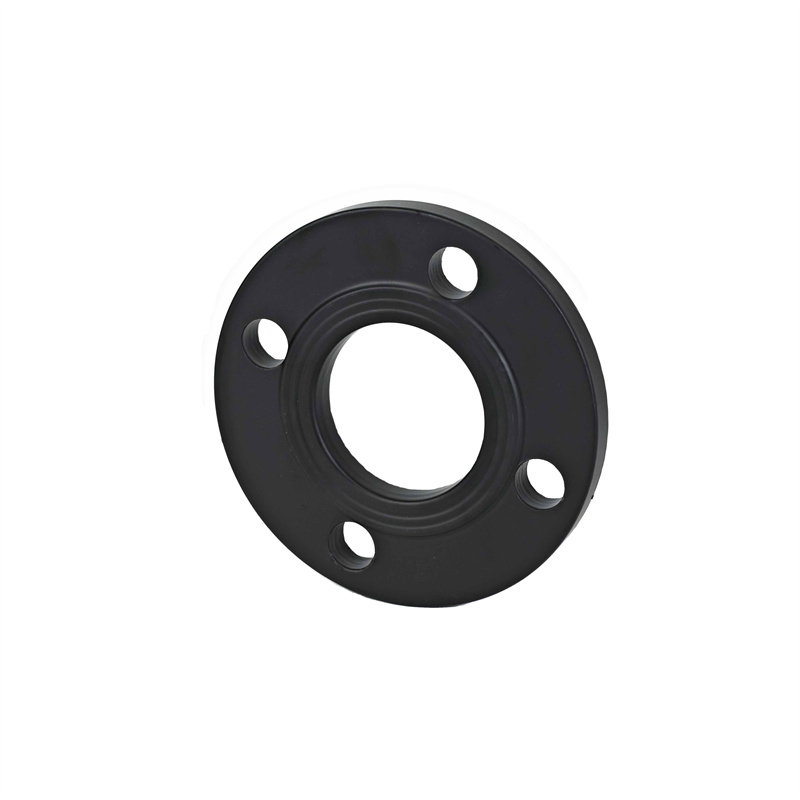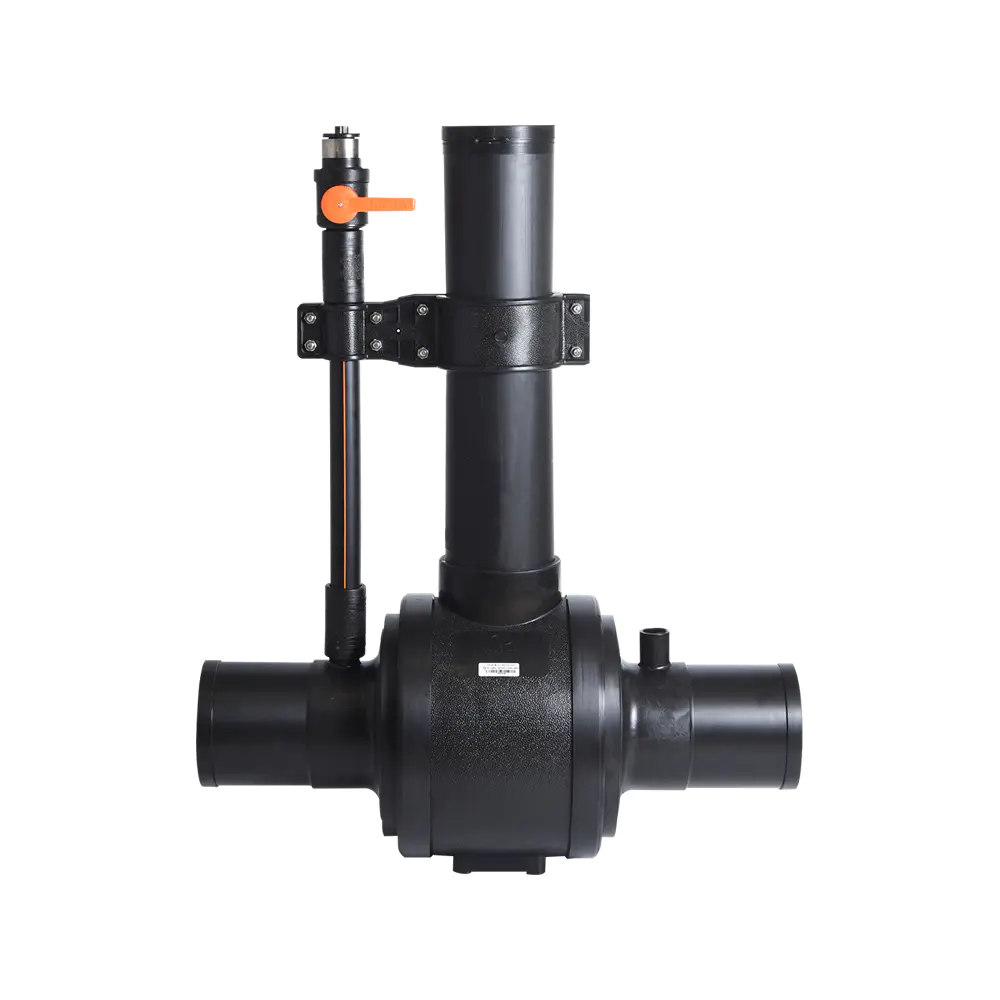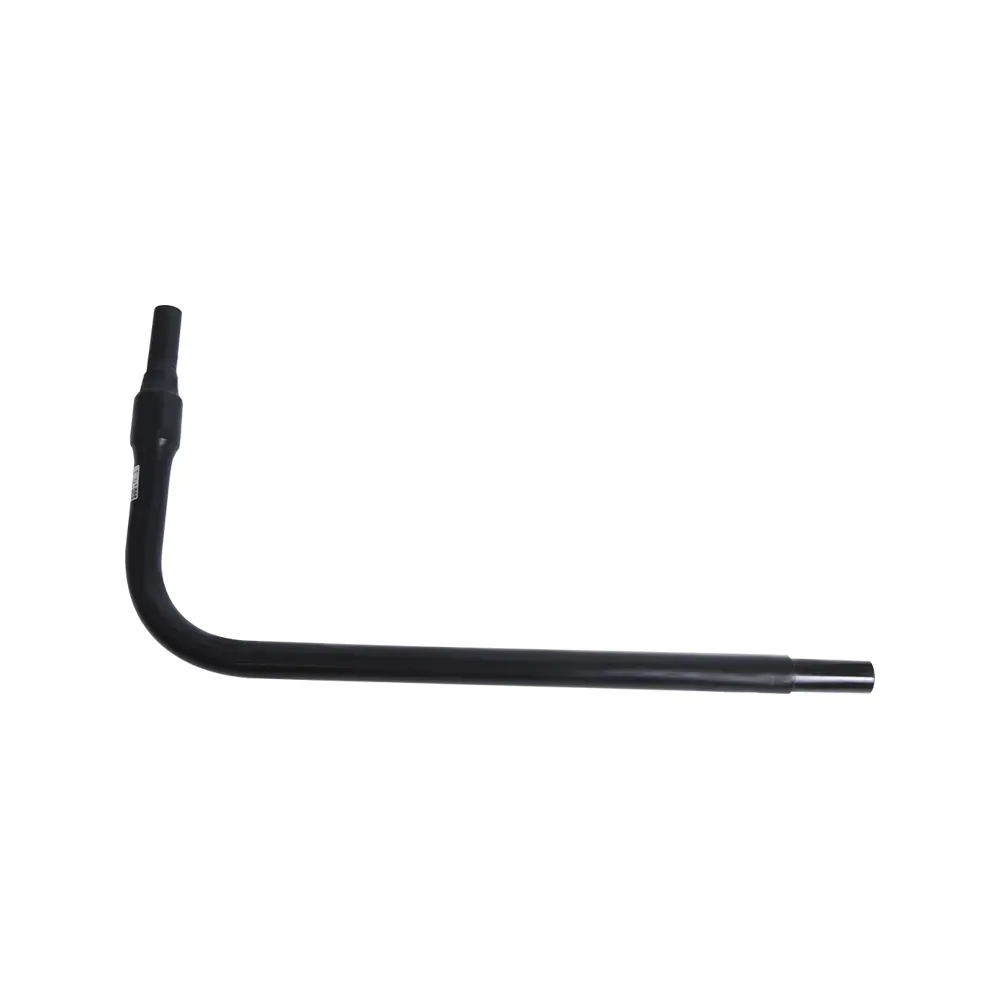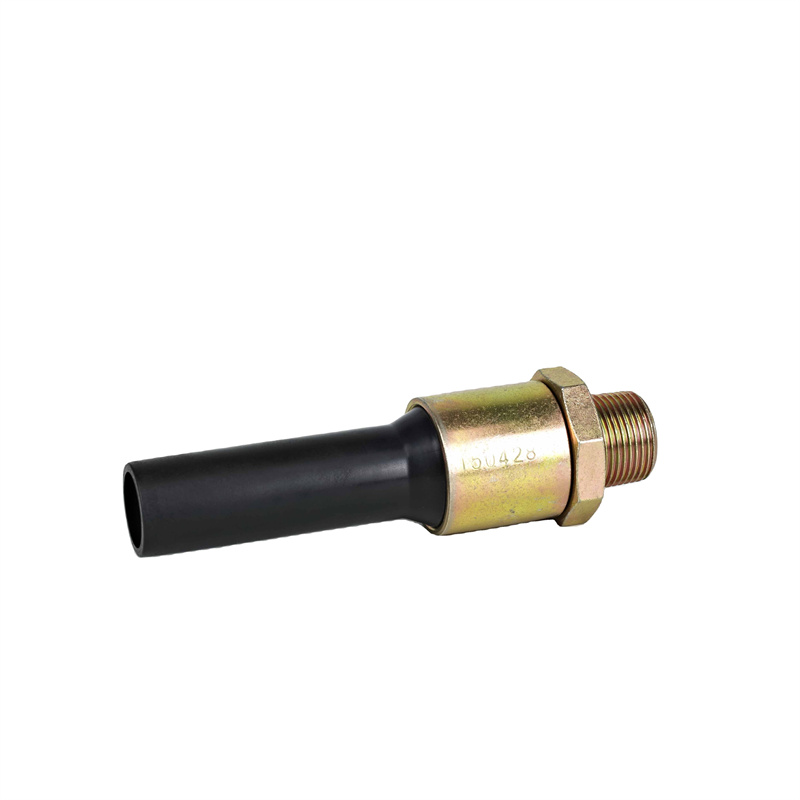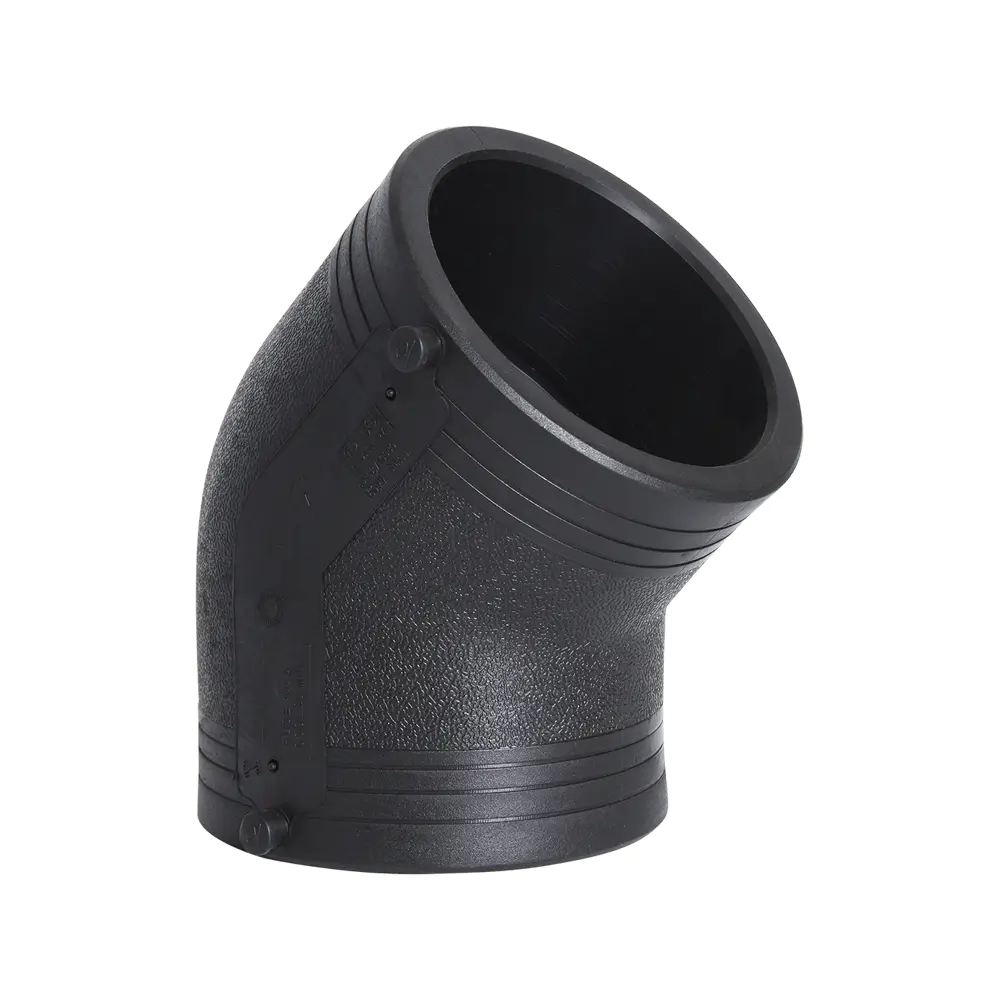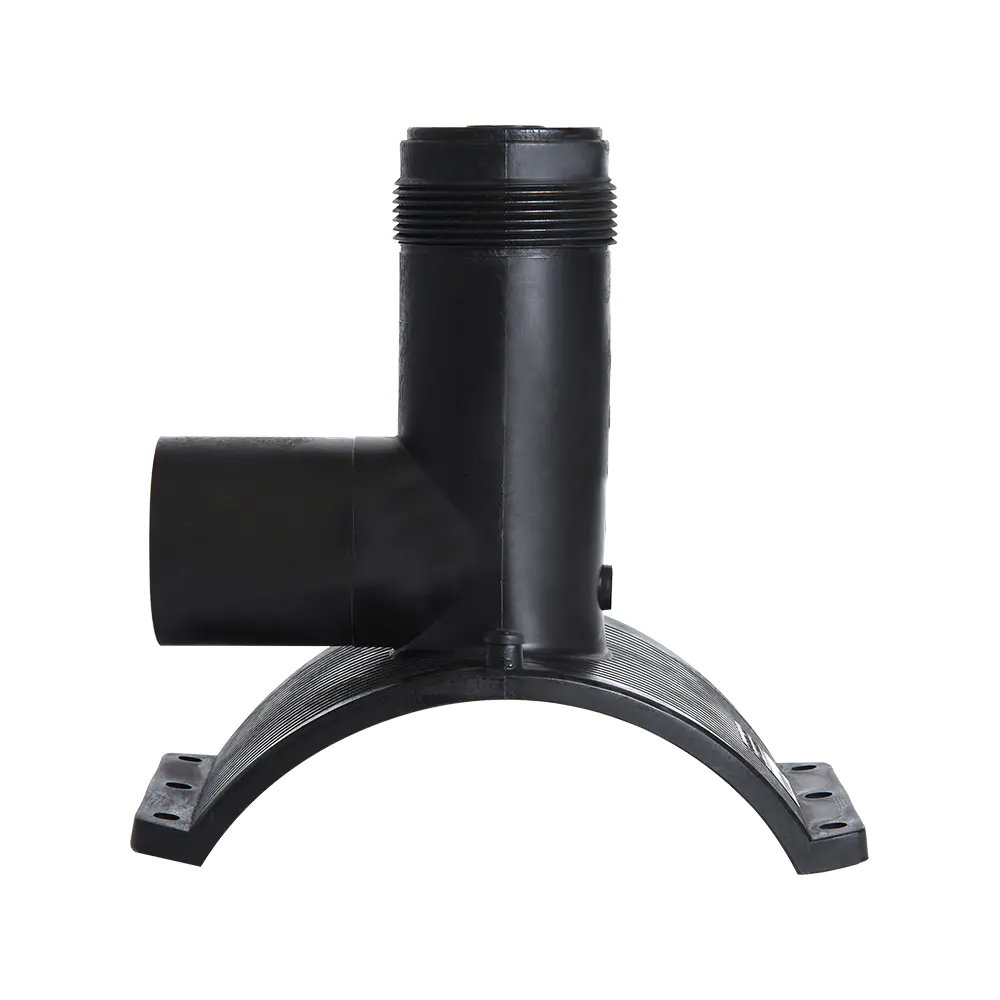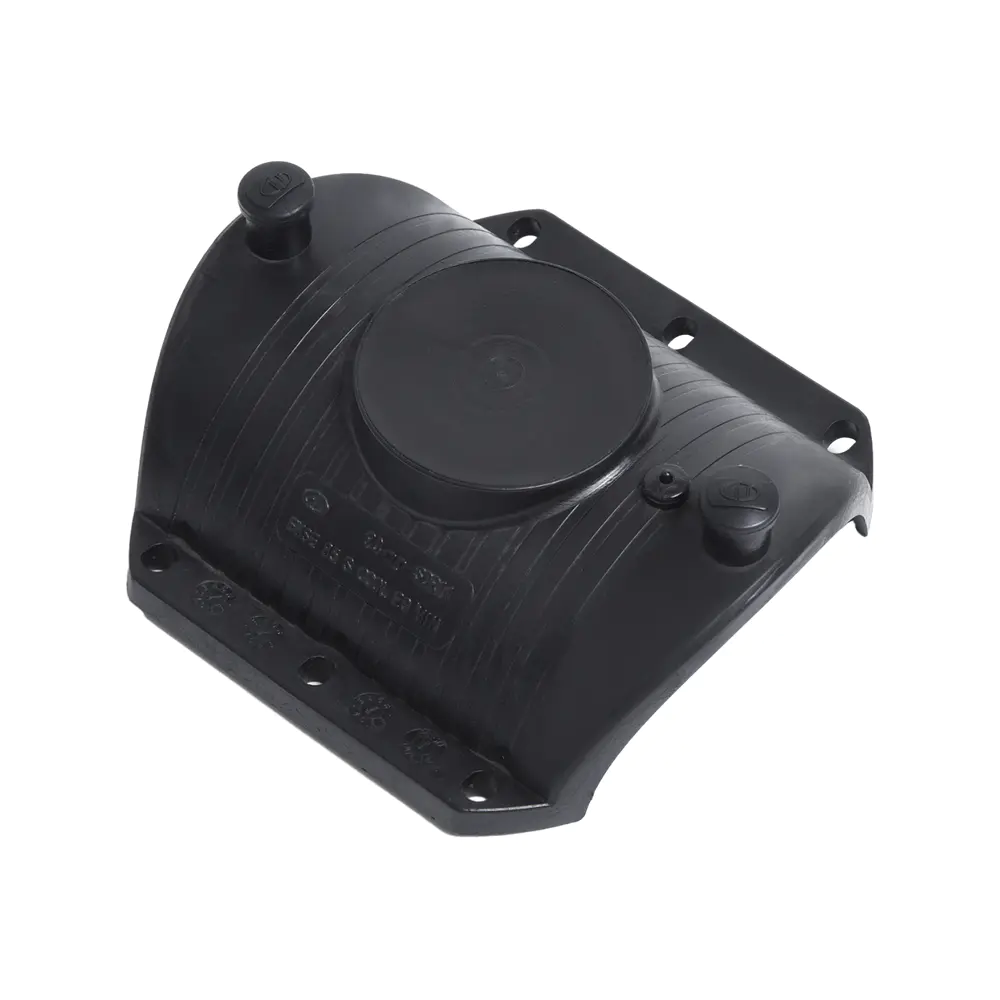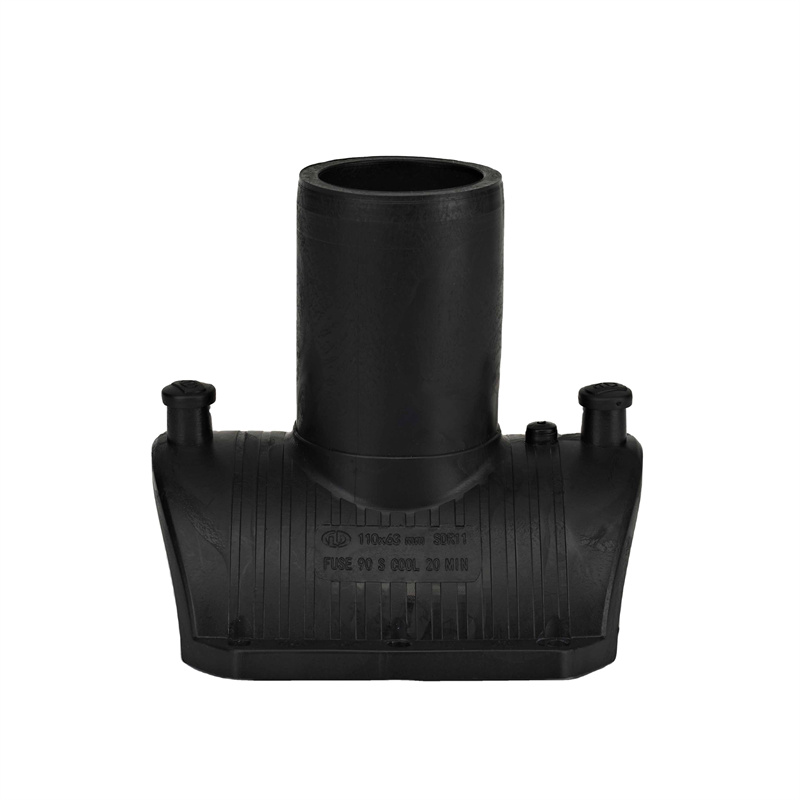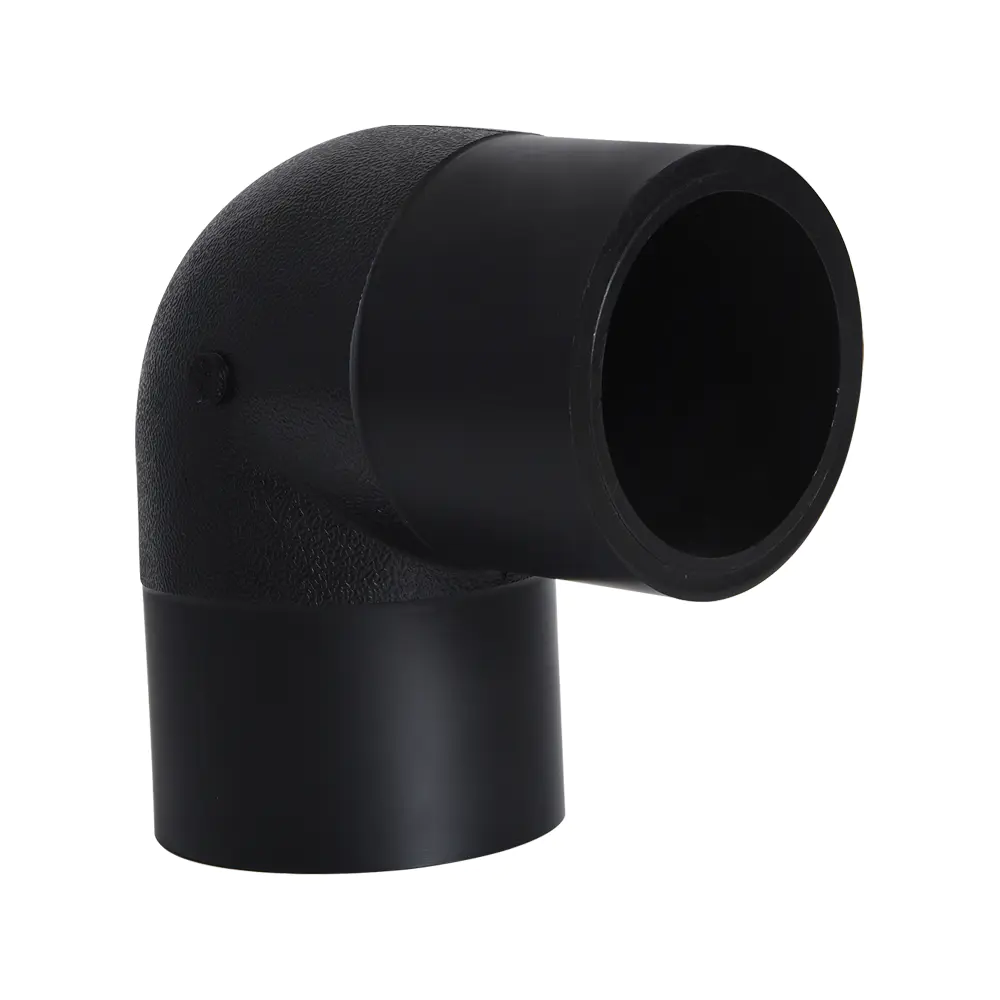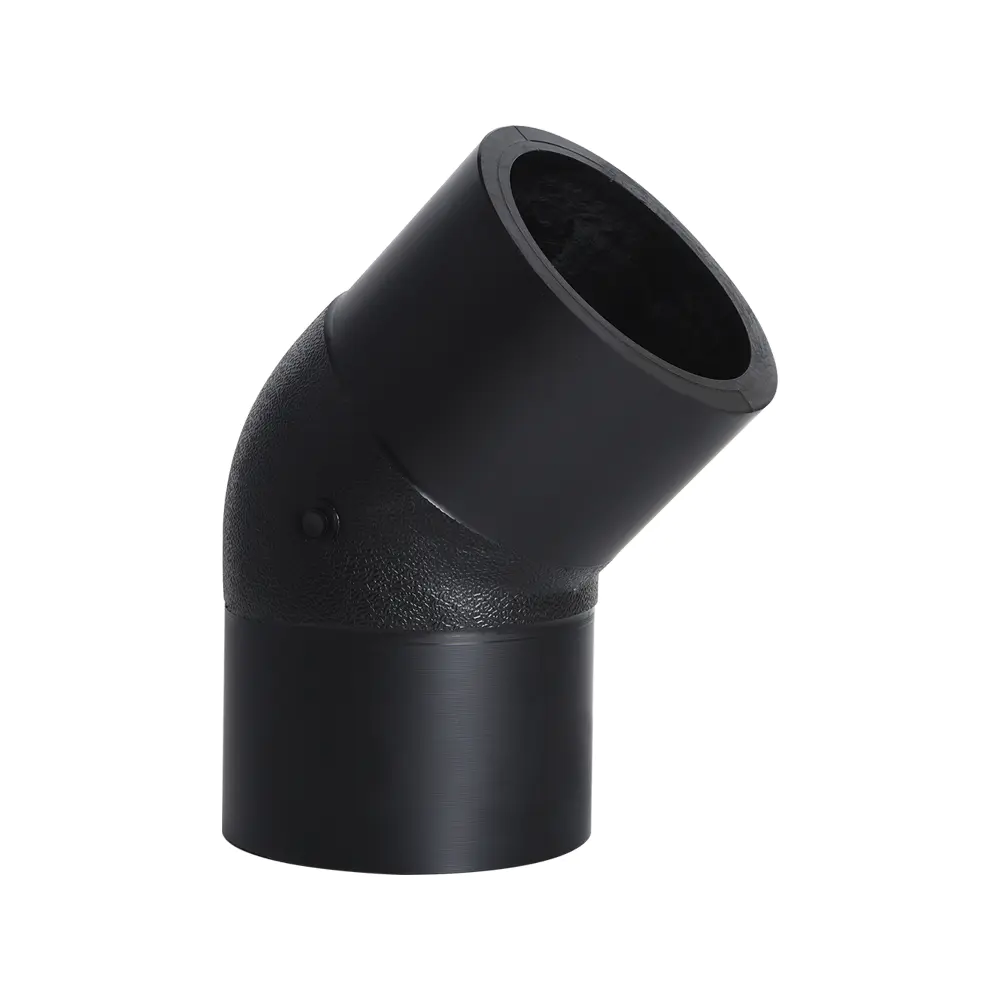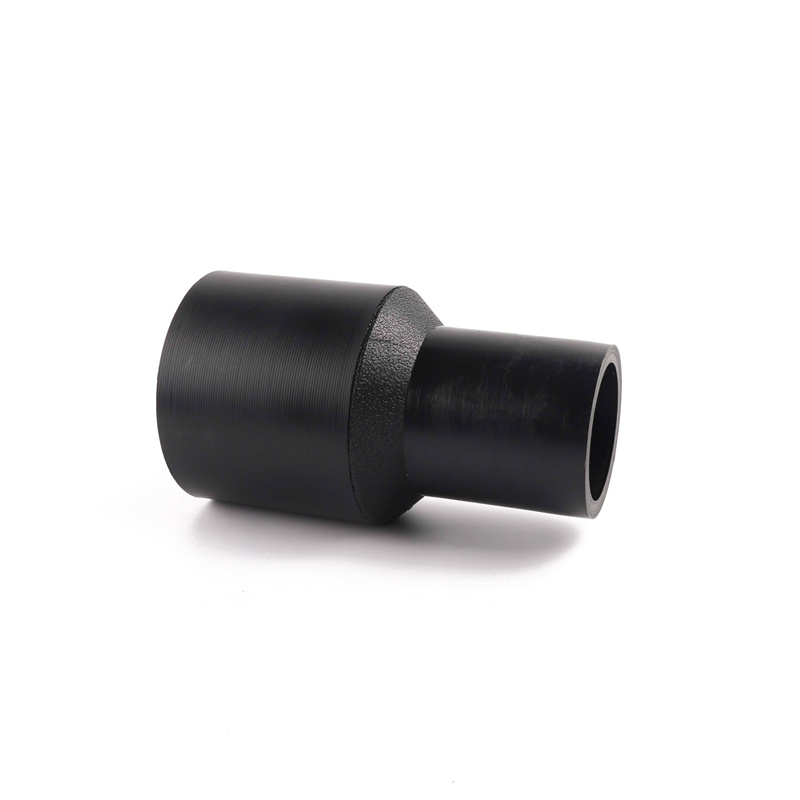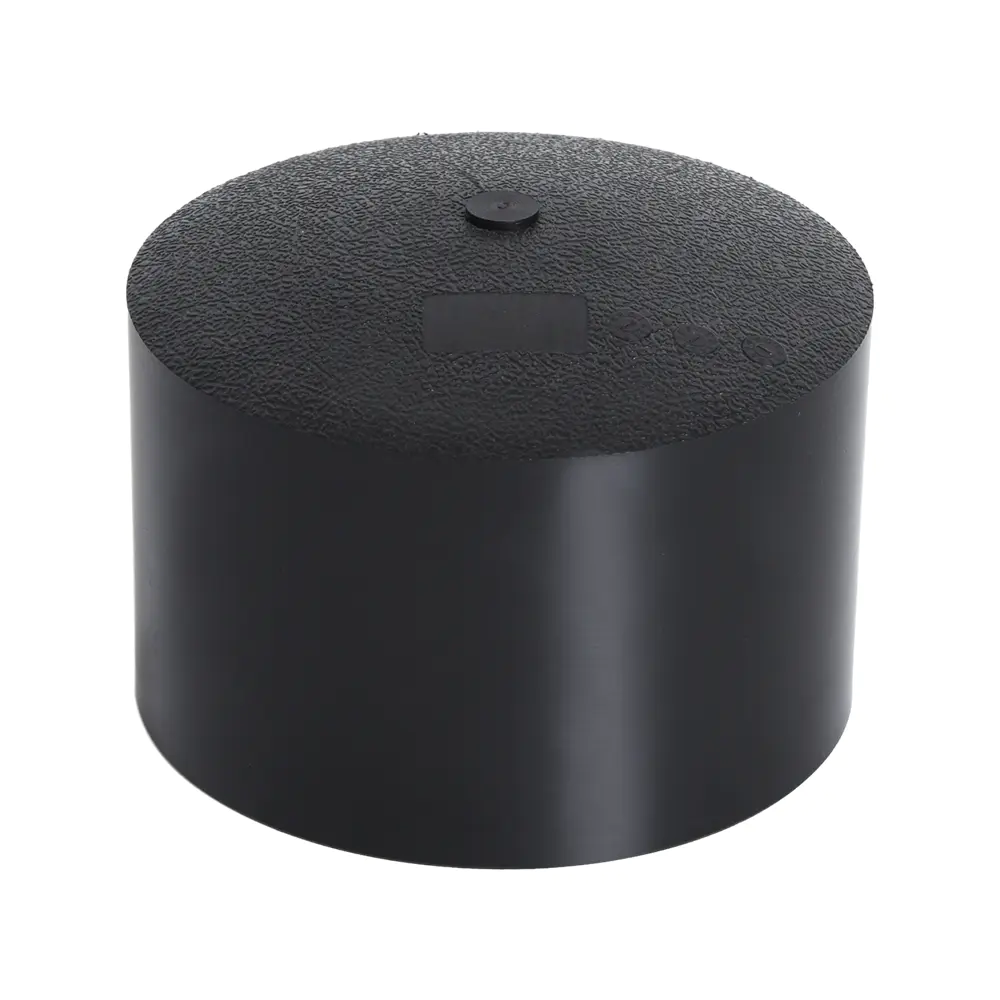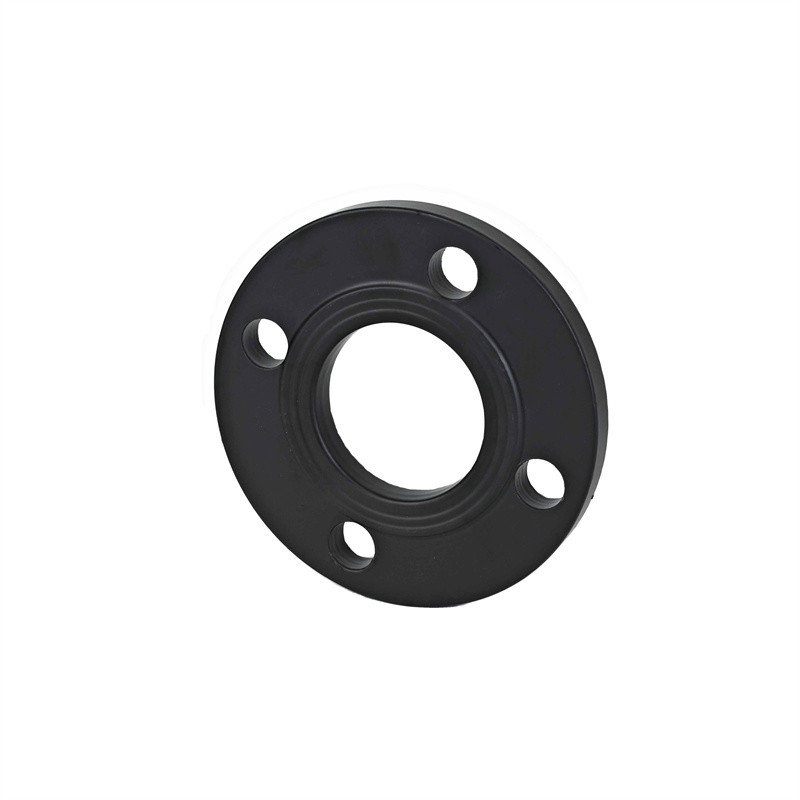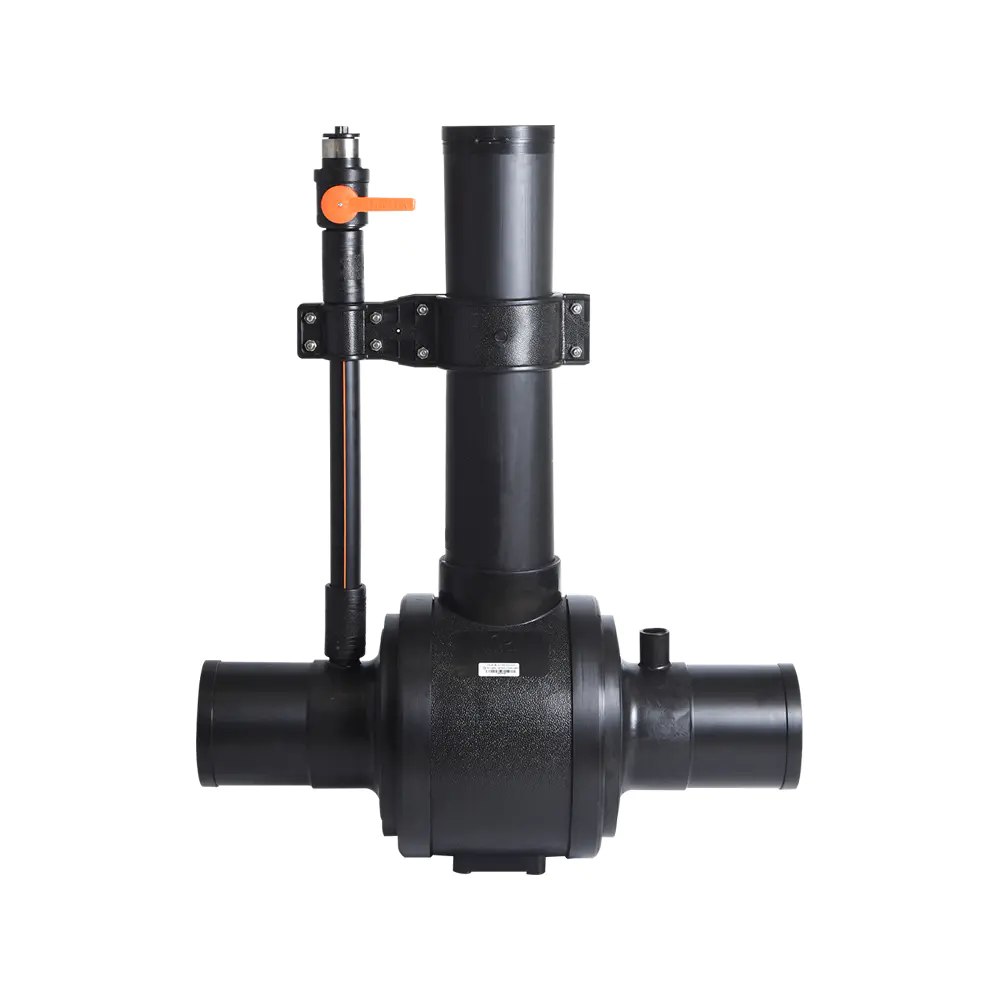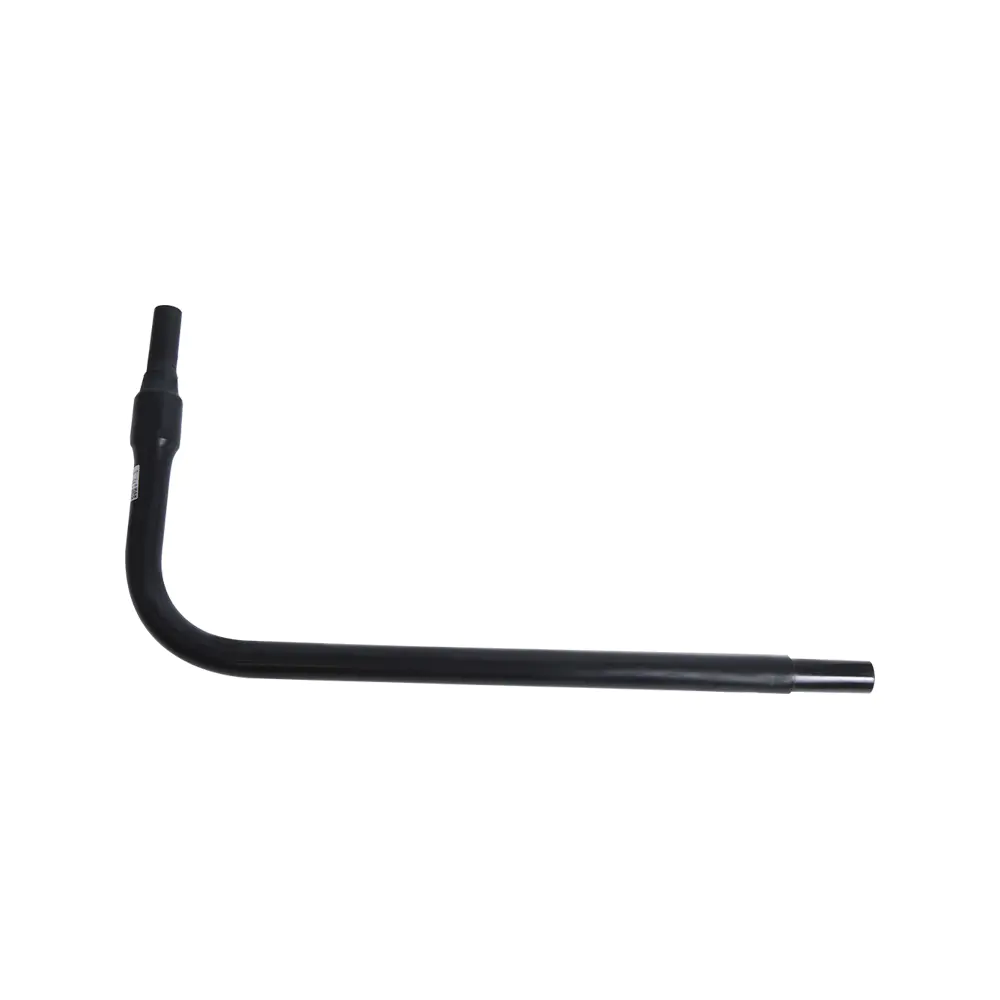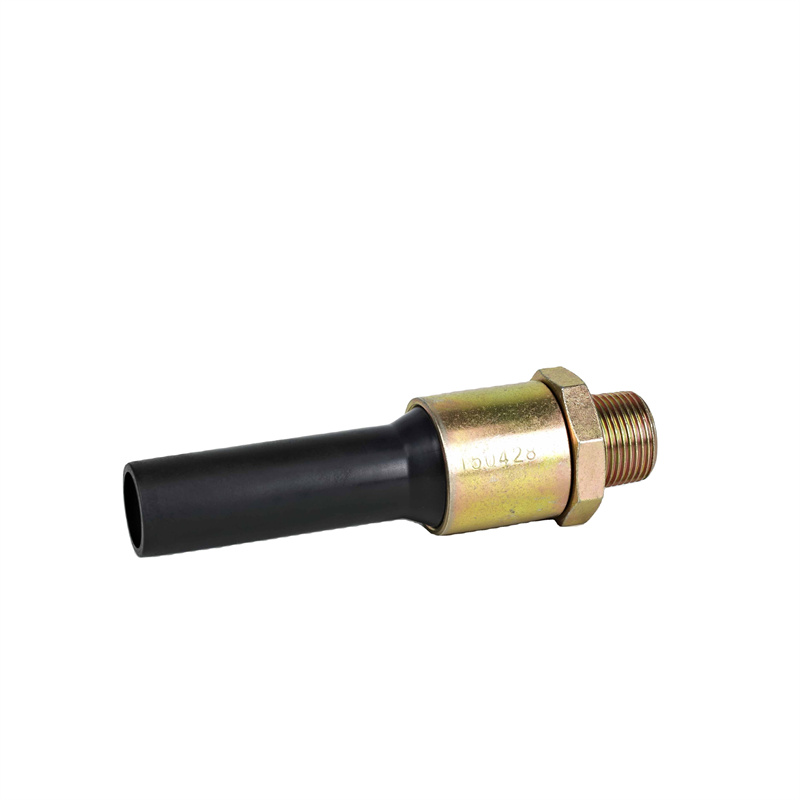
Material: HDPE/ MDPE
Color: Black
For Natural gas and Water supply GB/ EN/ ANSI/ ASTM/ ISO/ ASNZS/ DIN
Standards Dimension: DN20mm- DN630mm, 1/4"- 24" SDR11/ SDR13.6/ SDR17/ SDR21/ SDR26 etc.
In municipal and industrial polyethylene (PE) pressure piping projects, the successful installation of an Elec...
READ MOREIn the construction of municipal gas and water networks, the Electrofusion Reducer is a critical component use...
READ MOREElectrofusion tees are widely used for pipeline connections, especially for plastic pipes such as polyethylene...
READ MOREIn the field of pipeline connections, both electrofusion tees and traditional welded tees are commonly used. W...
READ MOREButt Fusion Flange Adapters are commonly used fittings in HDPE piping systems. They are connected to pipes usi...
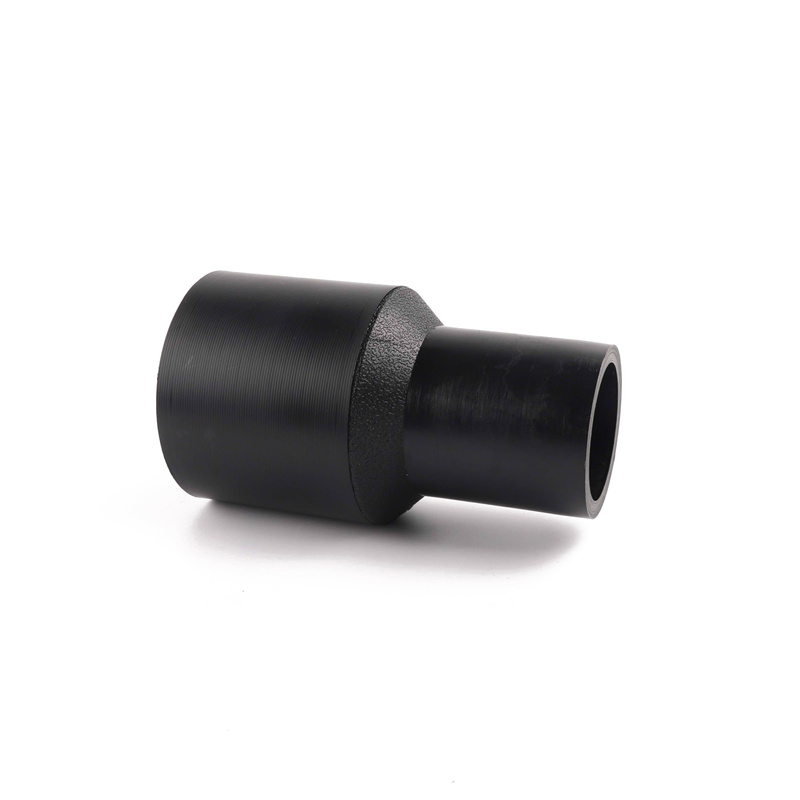
READ MOREButt fusion reducers are specialized piping components designed to connect two pipes of different diameters, ensuring a smooth transition in flow while maintaining the structural integrity of the pipeline. Unlike mechanical fittings, these reducers are fused directly to the pipe ends using heat and pressure, creating a joint that is essentially as strong as the pipe itself. A butt fusion reducer acts as the bridge in a piping network where a change in pipe size is required. By utilizing the butt fusion method, these fittings eliminate the need for O-rings or adhesives, which are often the weak points in traditional systems. Manufacturers like Ningbo Lianda Plastic Pipe Co., Ltd. produce these fittings to high precision, ensuring that the wall thickness and diameter align perfectly with standard PE piping specifications. The engineering behind a butt fusion reducer involves calculating the precise taper angle to minimize turbulence and head loss, which is critical in high-flow industrial applications.
Butt fusion is a thermofusion process used to join lengths of thermoplastic pipe and fittings. The process involves heating two planed surfaces simultaneously against a heating plate until a molten state is reached. Once the heater is removed, the two ends—such as a pipe end and a butt fusion reducer—are pressed together under controlled pressure to cool, forming a permanent, leak-proof bond. This process relies on the molecular chain entanglement of the thermoplastic material. When the material is heated to its melting point, the polymer chains become mobile. When pressed together, these chains intermingle across the interface. As the joint cools, the chains crystallize together, creating a continuous material structure. For a butt fusion reducer, this means the fitting becomes an inseparable part of the pipeline, capable of withstanding the same internal and external stresses as the pipe itself.
The primary purpose of a butt fusion reducer is to manage flow velocity and pressure within a system. Since the fusion process creates a molecular bond, the risk of leakage at the transition point is virtually eliminated. These butt fusion reducers minimize turbulence by providing a tapered transition between different pipe internal diameters. These fittings are essential for complex layouts in gas, water, and industrial chemical transport. By using butt fusion reducers, installers can avoid expensive mechanical flanges and gaskets that require regular maintenance and tightening. Furthermore, because the entire joint consists of HDPE or PP, there are no metal parts exposed to the fluid, preventing rust and chemical degradation across the entire span of the butt fusion reducer.
The effectiveness of a butt fusion reducer depends heavily on the material compatibility. Most modern systems utilize high-density polyethylene (HDPE) or polypropylene (PP) due to their chemical resistance and flexibility. HDPE is favored for its toughness and ability to handle surge pressures, while PP is often selected for higher temperature industrial applications. Ningbo Lianda Plastic Pipe Co., Ltd. specializes in these high-performance materials, offering a comprehensive range of PE gas pipe fittings. Their production capabilities cover over 1000 varieties, ranging from Dn20 to Dn630, ensuring that whether you are working on a small-scale gas line or a massive industrial water main, the material properties remain consistent. High-quality resins ensure that the butt fusion reducer maintains its shape under long-term hydrostatic pressure, which is vital for the 50-year service life expected of modern plastic piping.
Understanding the mechanics of the fusion process is critical for ensuring the longevity of the butt fusion reducer. The welding of a butt fusion reducer follows a strict cycle. First is cleansing, which involves removing debris, mud, and oil from the fitting and pipe ends using specialized cleaning agents. Second is facing, using a rotating planer to trim the ends until they are perfectly flat and parallel. This is crucial for a butt fusion reducer to ensure uniform heat distribution. Third is heating, applying a regulated heating plate at temperatures typically between 200 and 230 degrees Celsius. Fourth is joining, removing the heater and bringing the molten ends together within the specified dwell time. Finally, cooling allows the molecular chains to interlock under controlled pressure until the butt fusion reducer joint reaches ambient temperature.
| Feature | Advantage | Disadvantage |
| Joint Strength | Joint is stronger than the pipe itself. | Requires specialized fusion equipment. |
| Flow Capacity | Smooth internal surface reduces friction. | Requires skilled operators for alignment. |
| Cost-Effectiveness | No expensive mechanical couplers needed. | Environmental factors can affect weld quality. |
| Durability | Resistant to corrosion and biological growth. | Longer installation time compared to push-fit. |
| Maintenance | Zero maintenance required for life. | Restricted to compatible materials. |
In the world of butt fusion reducers, design choice is dictated by the orientation of the pipeline. Concentric Reducers are designs where the centerlines of both ends are aligned. These are the most common butt fusion reducers, used primarily in vertical piping or liquid lines where air pocket formation is not a concern. They provide the most balanced flow transition. Eccentric Reducers feature one side that is flat while the other is tapered. These are essential for horizontal suction lines to prevent gas pockets that can cause pump cavitation. In a horizontal setup, the flat side of the butt fusion reducer is usually installed on top to allow air to pass through freely.
Butt fusion reducers are generally produced in two ways. Molded Reducers are injection-molded as a single piece. They offer superior pressure resistance, consistent wall thickness, and a cleaner finish. Ningbo Lianda Plastic Pipe Co., Ltd. provides an extensive catalog of molded hot melting pipe fittings and electric melting pipe fittings, ensuring high structural consistency across their Dn20-Dn630 range. These are the gold standard for high-pressure gas and water mains. Fabricated Reducers are made by welding segments of pipe together. While they allow for custom angles and very large sizes beyond standard mold capacities, they typically have lower pressure ratings due to the multiple weld points and are generally used in low-pressure drainage or gravity-fed systems requiring a butt fusion reducer.
For a successful weld, the butt fusion reducer must be made from a compatible thermoplastic resin. Most high-performance systems utilize HDPE. It is vital to verify the Melt Flow Index compatibility between the pipe and the reducer. Ningbo Lianda Plastic Pipe Co., Ltd. ensures that their PE gas pipe fittings and hot melting components are manufactured to meet stringent material standards, allowing for seamless integration with PE80 and PE100 pipe grades. Using a high-quality butt fusion reducer ensures that the chemical resistance of the fitting matches the pipe, preventing localized failures in corrosive environments.
It is essential to match the SDR (Standard Dimension Ratio) of the butt fusion reducer to the pipe. A mismatch in wall thickness can lead to uneven heating and a weak joint during the fusion process. Ningbo Lianda Plastic Pipe Co., Ltd. offers a massive selection of over 1000 varieties, covering specifications from Dn20 to Dn630.
| Specification | Dimension Range (mm) | Typical Application |
| Small Diameter | Dn20 - Dn63 | Residential gas lines, domestic water |
| Medium Diameter | Dn75 - Dn250 | Municipal water, industrial loops |
| Large Diameter | Dn315 - Dn630 | Main transmission lines, mining dewatering |
A butt fusion reducer must be rated for the maximum operating pressure of the system. Common pressure ratings include PN10, PN16, and PN25. The wall thickness of the butt fusion reducer is directly proportional to its pressure rating. Regarding temperature, while PE is excellent for cold and ambient fluids, temperature derating factors must be applied if the fluid exceeds 20 degrees Celsius. For industrial processes involving heated fluids, selecting a butt fusion reducer with a higher SDR or specialized material like PP-R may be necessary.
To ensure reliability, especially in gas distribution, butt fusion reducers should comply with international benchmarks such as ASTM D3261, which is the standard specification for butt heat fusion polyethylene plastic fittings, and ISO 4427 or ISO 4437 for water and gas supply systems. Ningbo Lianda Plastic Pipe Co., Ltd. designs its complete set of PE gas pipe fittings, including PE ball valves and steel-plastic conversion joints, to meet these rigorous safety and quality requirements. Certification ensures that the butt fusion reducer has undergone rigorous testing for burst pressure, tensile strength, and long-term stability.
In municipal engineering, butt fusion reducers are used to transition from high-volume main lines to smaller distribution pipes. Their smooth internal bore prevents the buildup of scale and bio-film, ensuring consistent flow rates in wastewater treatment facilities. Because the butt fusion reducer joints are fused, they are immune to root intrusion, a common problem in traditional wastewater piping.
Chemical plants rely on the corrosion resistance of PE fittings. A butt fusion reducer allows for the safe transport of acids, alkalis, and salts without the risk of joint degradation found in metallic systems. They are widely used in cooling water loops, chemical processing lines, and hazardous waste disposal systems where the integrity of the butt fusion reducer is paramount.
Safety is paramount in gas networks. Ningbo Lianda Plastic Pipe Co., Ltd. has successfully developed specialized PE gas pipe fittings that provide a 100% sealed environment. Their product line includes electric melting pipe fittings for high-precision gas connections where space is limited, and hot melting pipe fittings for standard applications in mainline distribution. Furthermore, their PE steel plastic conversion joints are essential for transitioning from plastic gas mains to steel meter sets, including 3PE anti-corrosion options for enhanced protection. These components ensure the butt fusion reducer integrates perfectly into hybrid-material networks.
In mining, pipes often need to change size to maintain pressure for lifting slurries to the surface or transporting tailings. The high abrasion resistance of HDPE butt fusion reducers makes them ideal for handling sand, gravel, and mineral waste. The toughness of the material ensures that the butt fusion reducer can withstand the impact of solids without thinning or cracking over time.
To install a butt fusion reducer, professional equipment is required. This includes a Butt Fusion Machine with appropriate inserts for the specific Dn size up to Dn630. A Facing Tool is needed to ensure ends are square and clean. A Heating Plate with accurate digital temperature control and non-stick coating is essential. Often, a Data Logger is required in gas applications to record weld parameters. Finally, support rollers are used to align the pipe and the butt fusion reducer and reduce drag on the machine.
The process begins with pipe preparation. Clean the ends of the pipe and the butt fusion reducer with lint-free wipes and 90% isopropyl alcohol. Ensure all moisture and dirt are removed. Next is alignment and clamping. Place the components in the machine. Ningbo Lianda Plastic Pipe Co., Ltd. fittings are designed for precise fitment in standard clamps from Dn20 to Dn630. Check for axial alignment to avoid a crooked joint. During heating and fusion, apply the heating plate. Once a specific bead size is formed, remove the plate and join the ends quickly. This transition must be done within seconds to prevent the butt fusion reducer surface from cooling. Finally, during cooling and inspection, hold the joint under pressure. A proper weld will show a double roll-back bead around the entire circumference. Never use water to speed up the cooling of a butt fusion reducer.
Contamination is a major issue; even a fingerprint or a drop of water can cause a cold joint which looks solid but will fail under pressure. Incorrect pressure is another error; using too much pressure during the heating phase can push out all the molten material, leaving no bond zone for the butt fusion reducer. Finally, inadequate cooling is dangerous; removing the pipe from the machine before it has cooled to the core can lead to internal stresses, voids, and eventual failure of the butt fusion reducer.
To help engineers select the right components, the following table compares the typical characteristics of the butt fusion reducer varieties offered within the industry, such as those manufactured by Ningbo Lianda Plastic Pipe Co., Ltd.
| Feature | Molded Hot Melting Reducer | Electric Melting Reducer |
| Size Range | Dn20 - Dn630 | Dn20 - Dn630 |
| Primary Connection | Butt Fusion Machine | Integrated Heating Coils |
| Installation Speed | Moderate (Requires cooling) | Fast (Ideal for tight spaces) |
| Pressure Rating | Up to PN25 | High Pressure Gas/Water Rated |
| Application Suitability | Mainlines & Long Runs | Repairs & Precise Gas Distribution |
Even with high-quality butt fusion reducers, installation errors can occur. Leaks at fusion joints are often caused by cold joints where the heating plate was removed too slowly, or the surface was contaminated. Misalignment problems occur if the butt fusion reducer is not perfectly axial with the pipe, resulting in a high-low step that creates a stress point. Additionally, overheating can degrade the PE material, while underheating prevents the molecular chains from fully interlocking. Both lead to a brittle butt fusion reducer joint that may fail prematurely.
Visual inspection of the bead is the first line of defense. A healthy butt fusion reducer joint should exhibit a uniform, rounded double-roll-back bead. In gas applications, ultrasonic testing or data-log analysis from the fusion machine is often used to verify internal integrity. Inspecting the surrounding soil for signs of settling is also important to ensure no external shear stress is being applied to the butt fusion reducer.
If a butt fusion reducer is damaged, section replacement is a common technique, involving cutting out the damaged area and fusing in a new reducer and pipe segment. Alternatively, conversion joints can be used. Using a PE steel plastic conversion joint to transition to a steel repair section is a viable path. Ningbo Lianda Plastic Pipe Co., Ltd. provides a complete set of these joints, including 3PE anti-corrosion versions, to ensure the repair is as durable as the original line. Finally, electrofusion sleeves can sometimes be used for minor leaks to reinforce the butt fusion reducer area.
The high-density polyethylene used in Ningbo Lianda Plastic Pipe Co., Ltd. fittings is resistant to environmental stress cracking and chemical rot. Replacement of a butt fusion reducer is typically only considered if the system requirements exceed the original design specifications of the Dn20-Dn630 fittings. With proper installation, a butt fusion reducer is designed to last for 50 to 100 years without significant degradation.
It is not recommended. For a successful butt fusion, the wall thicknesses should match. If they do not, the thinner wall will melt faster than the thicker one, leading to an uneven joint in the butt fusion reducer. If different SDRs must be connected, an electrofusion reducer or a specialized transition technique must be used.
Ningbo Lianda Plastic Pipe Co., Ltd. offers a wide range of specifications, covering up to Dn630 in diameter, which accommodates most large-scale municipal and industrial needs. For projects requiring even larger sizes, fabricated butt fusion reducer solutions may be explored.
Yes. When manufactured to standards like ISO 4437 and used alongside PE ball valves and certified fittings, they are the industry standard for safe gas distribution. Ningbo Lianda Plastic Pipe Co., Ltd. focuses specifically on PE gas pipe fittings to meet these critical safety requirements for every butt fusion reducer they produce.
Use a calibrated digital pyrometer to check the plate surface before every fusion cycle. The standard temperature for most PE butt fusion reducers is between 200 and 230 degrees Celsius. Do not rely solely on the machine's built-in gauge, as surface temperatures can vary across the plate.
The company provides a comprehensive one-stop solution with over 1000 varieties of fittings. Their catalog includes electric melting, hot melting, and specialized 3PE anti-corrosion steel plastic conversion joints, ensuring total system compatibility for butt fusion reducer sizes ranging from Dn20 to Dn630.
Would you like me to provide specific pressure-to-SDR conversion tables for these reducers, or help you calculate the required cooling times for specific Dn630 applications?